
 By
By A healthy smile affects how you speak, eat, and move through each day. It shapes how others see you and how you see yourself. Many people think cosmetic dental care is only for younger patients. That belief keeps older adults and even parents from asking questions. In truth, safe cosmetic options can help children, teens, adults, and seniors. Each age group has different needs. Yet the goal stays the same. You want a strong, natural look that feels comfortable and lasts. This guide explains six common choices you can discuss at your next visit. It covers simple whitening, tooth colored fillings, bonding, veneers, crowns, and clear aligners. Each option serves a different purpose. You learn what to expect before treatment, during treatment, and after treatment. If you visit a dental clinic in Picayune, you can use this information to ask clear questions and protect your health.
1. Teeth whitening
Tooth color changes over time. Coffee, tea, smoking, and some medicines stain teeth. Age also changes enamel. You may feel uneasy when you see yellow or brown spots in photos or in the mirror.
Teeth whitening can lighten stains and even your smile. You can choose:
- In office whitening with stronger products
- Custom trays for home use from your dentist
At home, strips from a store cost less. Yet they fit loosely and may irritate gums. Professional care lowers the chance of uneven color or pain. The National Institute of Dental and Craniofacial Research explains that strong products need supervision to protect enamel.
Whitening works best for teens and adults with healthy teeth. It is not right for very young children or for teeth with large untreated cavities. You also need realistic hopes. Whitening changes the shade. It does not change tooth shape or position.
2. Tooth colored fillings
Old metal fillings can darken your smile. They can also crack or leak over time. Tooth colored fillings use resin that matches your natural shade. This option helps you protect your tooth while also improving how it looks.
Tooth colored fillings can help:
- Children with new cavities in baby or adult teeth
- Teens who want a clean look for school or sports photos
- Adults who want to replace worn metal fillings
The dentist cleans out the decay, then places the filling in thin layers. A light hardens each layer. This gives a strong repair that blends with nearby teeth. You can eat and drink soon after most visits. You may feel mild soreness that fades quickly.
3. Dental bonding
Bonding repairs small chips, gaps, and uneven edges. The dentist shapes tooth colored resin on the tooth surface. Then the dentist smooths and hardens it with a special light. This method often needs only one visit and little or no numbing.
Bonding works well when you want to fix:
- A small front tooth chip after a fall
- A short tooth that needs a longer edge
- A narrow gap between two front teeth
Children and teens often benefit from bonding after sports injuries. Adults use bonding to refresh worn teeth from grinding. Bonding costs less than veneers and crowns. It does not last as long, though. You may need repairs after several years. Coffee, tea, and tobacco can stain the resin faster than natural enamel.
4. Porcelain veneers
Veneers are thin shells that cover the front of teeth. They change color, shape, length, or width. Veneers can create a uniform smile when other options cannot meet your goals.
Veneers may help when you have:
- Deep stains that whitening cannot improve
- Multiple chipped or worn front teeth
- Uneven or misshapen front teeth
The dentist removes a thin layer of enamel from the front of each tooth. Then the dentist takes a mold. A dental lab creates custom veneers. At the next visit, the dentist bonds them in place.
Veneers work best for adults. Teeth and jaws should be fully grown. Veneers are permanent. Once enamel is removed, you always need some type of cover on that tooth. That is why you should ask many questions about long-term maintenance, cost, and risk of fracture before you start.
5. Dental crowns
Crowns cover an entire tooth. They restore strength and shape when a tooth is weak, cracked, or heavily filled. Crowns can also improve appearance. You may need a crown after a root canal or a large cavity.
Crowns can be made from:
- Porcelain that matches tooth color
- Porcelain fused to metal
- Full metal, such as gold, for strong back teeth
Children sometimes need crowns on baby teeth with severe decay. This protects the tooth until it is ready to fall out. Teens and adults often receive crowns on molars or front teeth after injury.
The process often takes two visits. The dentist shapes the tooth and places a temporary crown. At the second visit, the permanent crown is cemented. Good brushing, flossing, and regular cleanings help crowns last longer. The Centers for Disease Control and Prevention stresses that daily care still matters even when teeth have crowns or other restorations.
6. Clear aligners
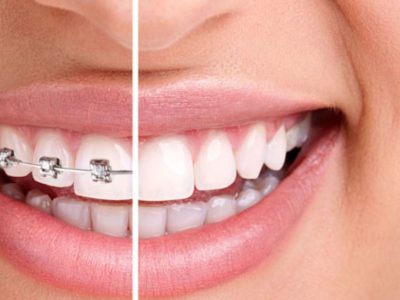
Crooked or crowded teeth can affect chewing, cleaning, and confidence. Clear aligners use a set of thin plastic trays to gently move teeth. You wear each tray for a set number of days, then switch to the next one.
Clear aligners can help:
- Teens with mild to moderate crowding
- Adults who had braces before and saw teeth shift again
- People who want a more private option than metal braces
You remove aligners to eat, drink anything except water, and brush. You must wear them most of the day for progress. This requires strong habits. Young children often do better with fixed braces because they may lose or forget trays.
Comparing cosmetic options
|
Option |
Main purpose |
Best for |
Typical lifespan |
Reversible |
|---|---|---|---|---|
|
Whitening |
Lighten stains |
Teens and adults with healthy teeth |
Months to a few years |
Yes |
|
Tooth colored fillings |
Repair decay and match tooth color |
Children, teens, adults |
5 to 10 years or more |
No |
|
Bonding |
Fix chips and small gaps |
Children, teens, adults |
3 to 10 years |
Partly |
|
Veneers |
Change color and shape of front teeth |
Adults with stable teeth |
10 to 15 years |
No |
|
Crowns |
Strengthen and protect weak teeth |
Children with severe decay and adults |
10 to 15 years or more |
No |
|
Clear aligners |
Straighten teeth |
Responsible teens and adults |
Results can last with retainers |
Yes |
How to choose the right option for your family
Cosmetic care should never hide untreated disease. First you need a full exam and cleaning. Then ask three simple questions for each option.
- Is this safe for the age and health of the patient
- How long will it last with honest daily care
- What ongoing costs or visits will this require
Every family member has a different mouth, budget, and comfort level. Children may need quick repairs that protect growing teeth. Teens may focus on color and alignment. Adults may want longer lasting fixes. Older adults may focus on function and comfort.
You do not have to choose alone. A trusted dentist can walk you through each choice so you understand the benefits and limits. With clear facts you can protect oral health and shape a smile that feels like you at any age.








Comments