
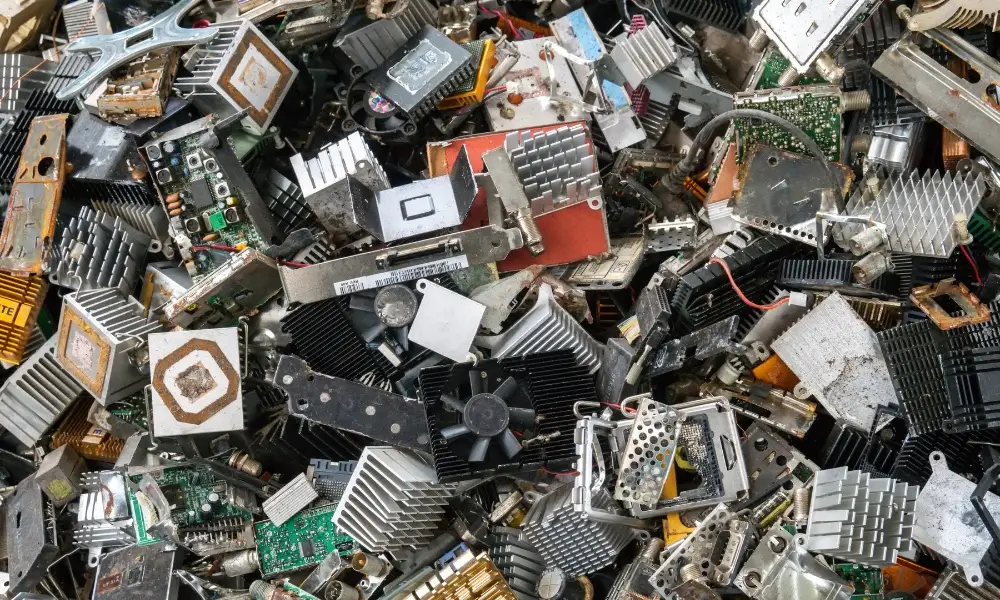
To recycle electronics properly in Singapore is to participate in a movement that has evolved from scattered voluntary efforts into a comprehensive system backed by legislative force and distributed infrastructure. The transformation emerged from the recognition that Singapore’s annual generation of 60,000 tonnes of electronic waste could not continue along the path of casual disposal without severe environmental and economic consequences. The island’s journey toward systematic electronics recycling reflects a pattern common to resource-constrained societies: necessity breeds innovation, and innovation requires both structure and accessibility.
The modern framework for electronics recycling in Singapore took shape in 2021 when the National Environment Agency implemented its Extended Producer Responsibility system. Manufacturers and importers assumed legal responsibility for collecting and treating their products at end of life. More than 870 collection points now dot the island, each serving as an entry point into a system designed to recover valuable materials and prevent environmental contamination.
Where the Collection Points Stand
The distribution of drop-off locations reflects careful planning aimed at convenience and accessibility. Senior Minister of State for Sustainability and the Environment Janil Puthucheary observed that “e-waste contains heavy metals and hazardous substances that, if improperly disposed of, can harm public health and contaminate the environment.”
Community centres across Singapore house dedicated bins, with plans to equip all such centres by mid-2026. These neighbourhood facilities serve as first-line collection points for residents who prefer walking distance disposal. Shopping malls provide another layer of accessibility, allowing consumers to Recycle electronics whilst conducting routine errands. Retail electronics stores with floor space exceeding 300 square metres maintain in-store collection points, creating natural drop-off opportunities at the moment of replacement purchases.
Petrol stations represent an innovative addition to the network. All 23 Shell locations across the island offer recycling facilities, targeting motorists who might otherwise neglect proper disposal. The bins accept items measuring less than 47 centimetres by 12 centimetres, accommodating the vast majority of portable electronics:
- Mobile phones and their batteries
- Keyboards, computer mice and modems
- DVD players, remote controls and cables
- Hard disk drives and printed circuit boards
- Plugs, wires and various small electronic accessories

Specialised Collection Programmes
Beyond the general network, several targeted programmes address specific waste streams. Over 400 green recycling bins distributed across the island accept most small electronic products regardless of brand. These bins feature deposit slots designed for items that fit standard size parameters.
Fluorescent lamps and compact fluorescent bulbs require separate handling due to their mercury content. Designated collection points marked specifically for lamp recycling prevent these items from contaminating general e-waste streams. Major furniture retailers have established light bulb recycling services at their outlets.
For those preferring postal disposal, envelope-based programmes allow consumers to mail mobile devices and accessories without charge. This method particularly suits individuals uncomfortable with public drop-off or lacking convenient access to physical collection points.
What Cannot Go in Standard Bins
The system’s efficiency depends partly on proper sorting at the source. Certain items fall outside the capacity of standard collection bins:
- Large appliances such as washing machines, refrigerators and televisions require special collection
- General household waste must never contaminate electronic recycling streams
- Items containing sensitive data demand secure wiping before disposal
- Batteries often require separate collection channels depending on type
For oversized appliances, retailers must arrange free collection when delivering replacement units. This regulatory requirement removes the financial barrier to proper disposal of bulky items that once presented logistical challenges.
The Mechanics of Successful Recycling
To Recycle electronics effectively requires understanding not merely where to deposit items but how to prepare them. Data security concerns have prevented many individuals from disposing of old devices. Mobile phones and laptops contain entire digital histories, and reasonable fears about privacy breaches lead to hoarding rather than recycling. Factory reset functions and data erasure software address this concern.
Battery removal presents another consideration. Lithium-ion cells pose fire hazards when compressed in collection bins or transport vehicles. Separating batteries from devices before disposal reduces risk whilst facilitating more efficient materials recovery.
The Reality of Participation Rates
Despite infrastructure expansion, Singapore’s household recycling rate fell to 11 per cent in 2024, its lowest recorded level. Over 34,000 tonnes have been collected since 2021, with 2025 showing a 60 per cent increase over the previous year. These figures demonstrate growing participation but also highlight the distance remaining before the majority of electronic waste enters formal recycling channels.
The challenge lies not in infrastructure scarcity but in the final step of individual action. Every mobile phone in a drawer, every broken kettle in a cupboard, every obsolete laptop under a bed represents a decision deferred. The collection points stand ready. The regulatory framework functions. The treatment facilities operate continuously.
The distribution of more than 870 collection points across an island measuring roughly 730 square kilometres means that no resident lives far from a drop-off location. Accessibility has been engineered into the system. The remaining task involves activating the infrastructure already in place. The materials locked inside discarded devices await recovery, the environmental hazards demand containment, and the economic value of recovered metals justifies the effort. To Recycle electronics in Singapore requires nothing more than locating the nearest collection point and following through on an action that serves both personal responsibility and collective necessity. The system exists to recycle electronics; participation remains the variable that determines whether potential becomes reality.