
 By
By 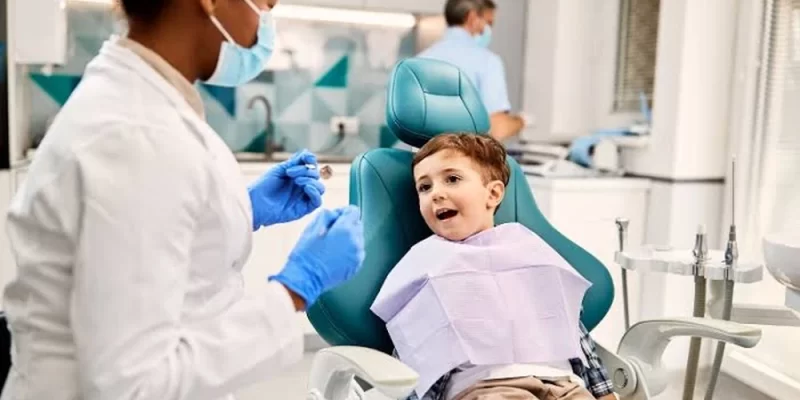
You brush, you try to floss, you remind your kids to rinse, and still it can feel like oral health slips the moment life gets busy. A sore tooth gets ignored for a week. A child says their gums hurt right before bed. Someone in the house is overdue for a cleaning, and that small delay starts to carry guilt with it. That is where prevention matters most, not when everything is perfect, but when daily life is full and easy to miss. For families looking for trusted care, a La Verne implant dentist can also help support long-term oral health needs.
The role of family dentists in preventive care is simple and steady. They help you catch small problems before they turn into pain, infection, missed school, missed work, or expensive treatment. A family dentist does more than clean teeth. They track changes over time, guide home care, spot patterns, and help each person in your household stay ahead of trouble.
Family dental care works best before pain starts
Most people do not think about the dentist when their mouth feels fine. That makes sense. If nothing hurts, it is easy to assume nothing is wrong. Tooth decay, gum disease, enamel wear, and bite issues often start quietly. By the time you notice sensitivity, bleeding, or swelling, the problem has usually been building for a while.
A family dentist sees the early signs. That might mean a weak spot in a child’s molar, plaque collecting in the same hard to reach area every visit, or gums that bleed a little more than they did six months ago. Those details matter because early treatment is usually simpler, less invasive, and less expensive.
This is one reason preventive family dentistry matters so much. It turns dental care into routine maintenance instead of crisis management. Cleanings remove buildup that brushing misses. Exams check for decay, gum disease, oral injuries, and changes in soft tissue. X rays, when needed, can reveal issues under the surface before they become obvious.
Preventive care protects children and adults in different ways
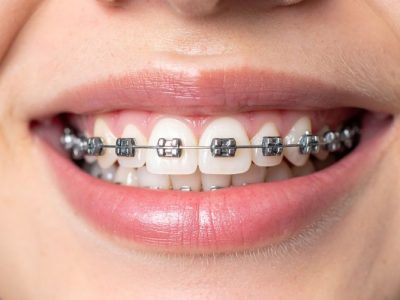
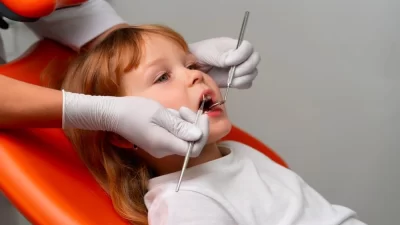
Children need prevention because their habits, diet, and dental development change fast. A family dentist can watch how teeth erupt, whether brushing is effective, and whether thumb sucking, mouth breathing, or alignment issues are starting to affect oral health. The CDC shares practical oral health tips for children that support what many dentists reinforce during regular visits.
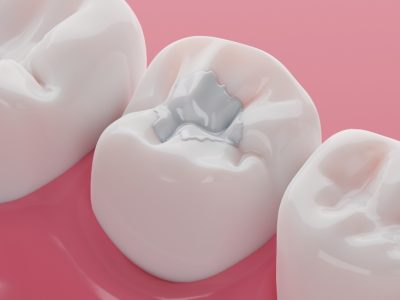
Adults face a different set of risks. Stress grinding, dry mouth from medication, gum recession, old fillings that start to fail, and skipped care from busy schedules all add up. The CDC also offers useful oral health tips for adults that line up with preventive dental advice given in office visits.
The value of a family dentist is continuity. One office can understand your family history, your routines, your risk factors, and the patterns that keep repeating. If your child tends to get cavities despite good brushing, or if you keep dealing with inflammation around the same teeth, that long view helps create better prevention.
Small delays in dental care often become bigger problems
It usually starts with something minor. You cancel one appointment because of work. Your child misses a cleaning because of school activities. A little bleeding during flossing seems harmless, so you wait. Then the plaque hardens, decay spreads, or gum irritation deepens. What could have been handled with a cleaning or small filling turns into more treatment, more cost, and more stress.
There is also the daily impact people underestimate. A tender tooth changes how you chew. Bad breath affects confidence. Gum pain makes brushing unpleasant, which makes oral hygiene worse, which creates more irritation. Prevention interrupts that cycle early.
The National Institute of Dental and Craniofacial Research offers clear guidance on oral hygiene habits that support professional care. Home care and office care are not competing options. They work together.
Home care and professional preventive dentistry serve different purposes
| Approach | What It Helps With | What It Can Miss |
|---|---|---|
| Brushing and flossing at home | Daily plaque control, fresher breath, lower cavity and gum disease risk | Tartar buildup, hidden decay, bite changes, early gum disease, soft tissue concerns |
| Mouthwash and fluoride products | Extra cavity protection, bacteria reduction, support for weak enamel | Underlying infection, damaged restorations, trapped food areas, structural problems |
| Regular family dental visits | Professional cleaning, exams, early detection, tailored prevention plans | Cannot replace daily habits between visits |
That difference matters. You can be doing many things right at home and still need professional care. You can also have regular cleanings and still run into trouble if brushing, flossing, and diet slip between visits. Preventive dental care works when both parts are in place.
Three steps can make preventive care easier to keep up with
Build appointments around real life. Pick recall visits before you leave the office and tie them to events you already remember, such as school breaks, birthdays, or a slower work month. Prevention is easier to maintain when it has a place in your routine.
Track small symptoms instead of waiting for pain. Sensitivity to cold, bleeding when flossing, jaw soreness in the morning, bad breath that does not improve, and food getting stuck in the same area are all worth mentioning. Those details help a dentist spot early problems faster.
Make home care specific, not vague. “Brush better” is hard to follow. “Brush for two minutes at night, floss the back molars first, switch to fluoride toothpaste, and replace the toothbrush every three months” is clear and doable. Specific habits are easier for adults to keep and easier for kids to learn.
Consistent family dentistry lowers stress over time
Good preventive care does not mean no one in your family will ever need treatment. It means fewer surprises, earlier answers, and a better chance of handling problems before they disrupt your life. That is the real value behind the role of family dentists in preventive care. They help protect comfort, confidence, time, and long term health one routine visit at a time.
If your household has fallen behind, you are not alone, and you do not need to fix everything at once. The next step is simply getting back on the schedule and letting a trusted dental professional guide what comes next.







Comments