
 By
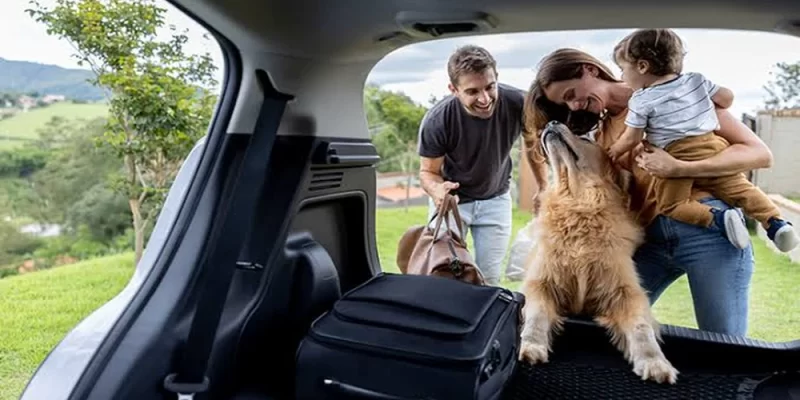
You know the feeling. Your bags are packed, your pet is already picking up on the change in routine, and what should be a simple drive starts turning into a list of worries. Will your dog pace the whole time? Will your cat panic in the carrier? What happens if you need to stop fast, or your pet gets sick halfway through the trip? Safe car travel with pets sounds straightforward until you picture the details, and having access to Waco, TX veterinary care can offer extra peace of mind.
Most problems on the road come down to preparation, restraint, comfort, and backup plans. A short drive to the park is one thing. A long trip with traffic, heat, rest stops, and a nervous animal is another. Asking the right questions before you leave can help you avoid injuries, stress, and expensive emergencies, and a general veterinarian can help you sort out what applies to your pet and what does not.
Proper pet restraint reduces risk for everyone in the car
The first question is simple. Is your pet actually secured in a way that protects them and you? A loose pet can become a projectile in a crash, and even without an accident, an anxious dog climbing onto your lap or a cat slipping under the brake pedal can create a dangerous distraction in seconds.
For dogs, that usually means a crash tested harness attached to a seat belt system or a secured crate. For cats, it means a sturdy carrier that stays closed and is placed where it will not slide around. Pet car safety is not just about keeping your animal from wandering. It is about reducing the force of impact if the car stops suddenly.
If your pet hates restraint, that does not mean the answer is to give up. It usually means they need gradual practice. Start with a few minutes in the parked car, then short drives, then longer ones. Cornell offers practical guidance on traveling safely with your dog, including crate use and travel planning that can lower stress before a trip even starts.
Travel readiness depends on your pet’s health, age, and stress level
The second question is whether your pet is physically and emotionally ready for the drive. A healthy young dog may handle a road trip well. A senior dog with arthritis, a short nosed breed prone to breathing issues, or a cat with a history of panic may need a different plan.
This is where a general veterinarian matters. Motion sickness, pain, anxiety, and dehydration can all show up as restlessness, drooling, whining, vomiting, or refusal to settle. You might assume your pet is misbehaving when they are actually uncomfortable or scared. A veterinarian can check for conditions that make travel harder and recommend ways to manage them, which may include timing meals, using calming tools, or discussing medication when needed.
The Centers for Disease Control and Prevention has a useful guide for healthy pet travel that covers records, identification, and basic travel safety. That kind of planning matters more than people expect, especially if your trip involves crossing state lines or staying overnight.
Heat, breaks, and routine shape safe car travel for pets
The third question is whether your trip plan works for your pet’s body, not just your schedule. Cars heat up fast. Even on a mild day, the inside temperature can rise to dangerous levels within minutes. Cracking a window is not enough. Leaving your pet in a parked car, even for a quick stop, can turn into an emergency before you get back.
Long drives also bring another problem. Pets need water, bathroom breaks, and a chance to reset. Dogs often need breaks every few hours. Cats may not want to leave the carrier, but they still need a quiet, cool environment and a secure setup. Feeding a full meal right before departure can make nausea worse for some pets, so timing matters.
Safe car travel with pets often works best when you keep the routine boring. Familiar bedding, a favorite toy, and a calm tone from you can lower stress more than constant reassurance. Pets read your energy quickly. If you are rushing and tense, they usually feel it too.
Emergency planning protects you when the trip goes off script
The fourth question is one people skip because they hope they will not need it. If something goes wrong, what is your plan? A flat tire, a crash, a hotel change, or a sudden illness can leave you trying to solve too much at once while your pet is frightened.
Your pet should wear current ID tags and have a microchip with updated contact information. Keep vaccination records, medications, and a recent photo with you. Pack food, water, bowls, waste bags, and any supplies your pet would need for at least a day longer than expected. The CDC also offers advice on pet emergency preparedness, which is worth reviewing before any longer drive.
This is also where many people realize they have not practiced getting their pet in and out of the carrier or crate quickly. In an emergency, that hesitation can matter. A few practice runs at home can make a real difference.
Comparing common travel choices helps you avoid preventable risks
| Travel Choice | Safer Option | Higher Risk Option | What It Can Lead To |
|---|---|---|---|
| Restraint | Secured crate or crash tested harness | Loose in the car or on a lap | Driver distraction, injury during sudden stops, escape at rest stops |
| Temperature management | Pet stays with you in climate control | Pet left in parked car | Heat stress, heatstroke, rapid medical emergency |
| Trip pacing | Regular breaks, water, realistic drive time | Long stretch without stops | Accidents in car, dehydration, rising anxiety |
| Health planning | Pre trip veterinary check when needed | No plan for motion sickness or chronic issues | Vomiting, pain flare, breathing trouble, emergency vet visit |
| Identification | Tags, microchip, travel records | No updated ID | Harder recovery if pet gets lost |
Three steps can make traveling with pets by car much safer
1. Test your setup before the real trip. Put the crate, carrier, or harness in the car and take a short drive. Watch for panting, drooling, whining, or frantic movement. Small problems are easier to fix before a six hour drive than during one.
2. Build a travel kit that stays in the car. Include water, bowls, leash, waste bags, cleaning supplies, medication, records, and a recent photo. If your pet has a chronic condition, pack extra medication in case the trip runs long.
3. Talk to a veterinarian if your pet has struggled before. If your dog gets carsick or your cat shuts down in transit, do not assume that is just how travel will always be. A general veterinarian can help with a safer plan for traveling with pets safely, especially if age, anxiety, or medical issues are part of the picture.
Road trips with pets do not have to feel like a gamble. The goal is not a perfect ride. It is a safer, calmer one, where your pet arrives without injury, panic, or preventable health problems. If you are planning a trip and you are not sure your pet is ready, schedule a visit with a general veterinarian and get clear advice before you go.




Comments