
 By
By 
You might catch yourself avoiding your reflection when you brush your teeth, or pulling your lips tight when someone reaches for a camera. It did not feel like a big deal at first. Maybe it started with one chipped tooth, a little staining, or a slight crowding you thought you could live with. Over time though, those “little” things begin to shape how you smile, how you speak, and even how confident you feel walking into a room-until you finally decide to visit a dentist in Saint Thomas, VI.end
If that sounds familiar, you are not being shallow or vain. You are noticing that your smile affects how you show up in your life. A smile makeover is simply a thoughtful plan to improve the way your teeth look and function, using modern, safe dental materials and techniques. It is not about chasing perfection. It is about feeling like yourself again when you smile.
So where does that leave you right now. In simple terms, if you feel unhappy with your teeth often, or you are starting to hide your smile, it may be time to talk to a trusted family and cosmetic dentist. The rest of this page walks through five clear signs it might be time, what usually causes them, and what you can realistically do next.
Sign 1: You hide your smile in photos or social situations
You may notice you cover your mouth when you laugh, or you instinctively close your lips when someone wants a picture. You might even delete photos of yourself because your teeth are all you can see.
This is not just about looks. When you hold your smile back, you can feel more guarded and less at ease with people. That can affect dating, job interviews, presentations, and even how close you let people get to you emotionally. The problem is not that your teeth are “bad.” The problem is that they do not match how you want to feel.
A thoughtful cosmetic smile transformation can be as simple as whitening and minor reshaping, or as detailed as veneers and orthodontics. The goal is not to create a fake Hollywood grin. It is to give you a natural smile that you are not afraid to show.
Sign 2: You have multiple issues that make your smile feel “too far gone”
Maybe it is not just one thing. You see staining, old fillings, some crowding, a chip, and maybe a dark line around a crown. You might think, “There is no way this can be fixed without pulling everything out.” That thought alone can feel overwhelming and expensive, so you put it off.
Here is the truth. Many patients who feel “too far gone” are actually strong candidates for a carefully planned smile makeover. Modern materials for crowns, veneers, and other restorations are designed to look natural and last for years. The American Dental Association offers helpful information on materials for indirect restorations that your dentist might use for crowns, inlays, or onlays.
Because of this, you might wonder whether you need to fix everything at once. Often you do not. A good family and cosmetic dentist can prioritize what matters most for your health, then plan the cosmetic steps in stages that fit your life and budget.
Sign 3: You are starting to notice wear, chipping, or old dental work failing
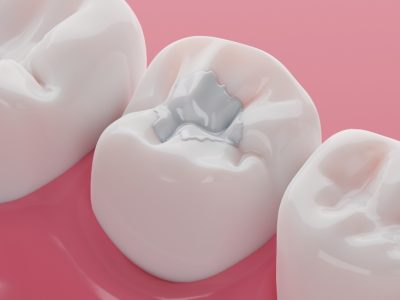
Teeth that look worn down, flattened, or chipped at the edges are not just a cosmetic concern. They can signal grinding, misalignment, or older fillings that are breaking down. You might see tiny cracks, rough edges, or fillings that have stained or pulled away from the tooth.
Left alone, these problems can lead to sensitivity, fractures, or more involved treatment later. A well planned smile makeover without location reference often blends cosmetic and functional care. That can include repairing worn teeth, replacing old restorations, and improving the way your bite comes together, so your teeth not only look better but also work better.
Modern research on dental materials, including ceramics and resin composites, shows that many current options are stronger and more natural looking than what was available even a decade ago. If you are curious about the science behind these materials, the National Institute of Dental and Craniofacial Research has a helpful overview of current and emerging dental materials.
Sign 4: Your teeth make you look older or more tired than you feel
Have you ever looked at a photo and thought, “Why do I look so tired” even though you were well rested. Sometimes it is not your eyes or your skin. It is your smile. Darkened, shortened, or missing teeth can cause your lips and cheeks to lose support. That can make your lower face look collapsed or drawn, even if you are otherwise healthy.
This can be especially true if you have lost back teeth, or if your front teeth have worn down over the years. Restoring proper tooth shape and support through crowns, veneers, bonding, or implants can gently lift and support your facial features. People often say they look “more awake” or “refreshed,” without anyone being able to point to one obvious change.
If you feel younger than you look, and your teeth seem to be part of that gap, that is a strong sign it is time to talk with a dentist about a thoughtful cosmetic dental treatment plan.
Sign 5: You keep thinking about changing your smile, then talking yourself out of it
You might find yourself scrolling through before and after photos, or pausing on stories where people talk about their new smile. Then the doubts come in. “It is probably too expensive.” “It will hurt.” “People will think I am being dramatic.” So you close the tab and carry on.
The constant back and forth is a sign in itself. If you have been thinking about a smile makeover for months or years, it is worth at least getting real information. A consultation does not commit you to anything. It simply turns vague worries into clear facts, so you can decide with confidence.
So how do you sort through your options without feeling overwhelmed.
How does a professional smile makeover compare with “quick fixes” at home
There are many products that promise a brighter or straighter smile at home. Some are helpful. Some are misleading. Understanding the difference between quick fixes and a planned family and cosmetic dentist approach can save you from disappointment or damage.
| Option | What it usually offers | Common risks or limits | Best suited for |
|---|---|---|---|
| Whitening toothpaste or strips | Lightens surface stains a little over time | Can cause sensitivity, usually cannot change deeper discoloration or spots | Mild staining on otherwise healthy teeth |
| DIY aligners without in-person checkups | Some tooth movement using clear trays mailed to you | Risk of moving teeth into a poor bite, gum recession, or root damage if not monitored | Very simple alignment issues, only if supervised by a dentist or orthodontist |
| Professional whitening with a dentist | Faster, more controlled lightening of teeth, with custom trays and monitored strength | Temporary sensitivity, not effective on some types of discoloration or old fillings | Healthy teeth with yellow or brown staining from food, drink, or aging |
| Planned smile makeover with a dentist | Custom plan that can include whitening, bonding, veneers, crowns, and alignment | Requires time, appointments, and investment, but is guided and personalized | People with multiple concerns about color, shape, wear, spacing, or bite |
When you look at it this way, quick fixes can help a little, but they cannot replace a careful plan that considers your bite, your gums, your long term health, and your goals.
Three practical steps you can take right now
1. Get clear on what actually bothers you
Stand in front of a mirror and smile naturally. Then smile a bit bigger than you would in public. Notice what draws your eye. Is it color, shape, spacing, old fillings, or how much gum shows. Write down the top three things that truly bother you. This does two things. It keeps you from getting overwhelmed at the dentist, and it helps your dentist understand what matters most to you.
2. Gather your dental history and questions
If you have had past dental work, note what was done and when, as best you can. Crowns, root canals, braces, extractions, implants. Also write down any fears. Pain, cost, looking “fake,” time off work. Your questions and worries are just as important as your medical history. A good dentist will address both.
3. Schedule a consultation focused on options, not pressure
When you call a family and cosmetic dentist, tell the team you want to talk about a smile makeover and that you are gathering information. During the visit, pay attention to how they listen. Do they rush, or do they ask about your goals. Do they offer more than one plan, including a staged approach. You are looking for a partner in your care, not a sales pitch. Even one honest consultation can turn a vague wish into a clear, realistic path.
Moving toward a smile that feels like you again
You do not have to live with a smile that makes you shrink back in photos, or one that does not match the person you feel you are inside. When you notice these five signs, it is not a signal to feel guilty for waiting. It is simply your mind and body telling you that it might be time for a change.
Talking with a trusted dentist about a custom smile makeover is not about chasing perfection. It is about comfort, confidence, and health. You deserve a smile you are not afraid to share, and the first step is simply starting the conversation with a professional who will listen and guide you with care.







Comments