
 By
By 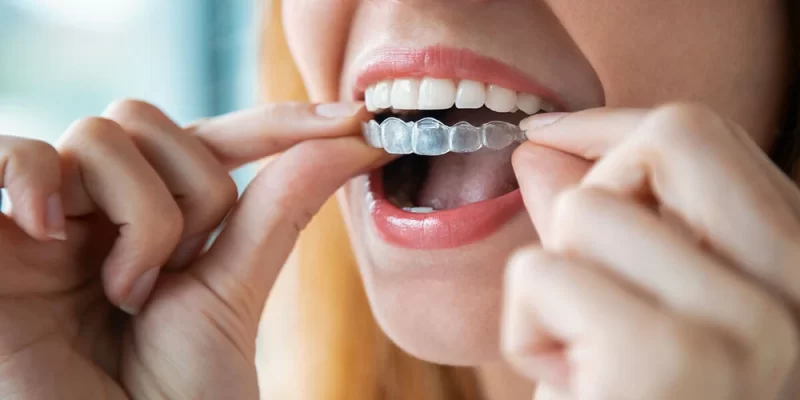
You might be feeling a mix of excitement and worry about your Goodlettsville clear aligners. On one hand, you chose them because you wanted straighter teeth without a mouth full of metal. On the other hand, you may already be wondering if you are wearing them enough, cleaning them the right way, or doing something that could quietly ruin your results.end
Maybe your trays feel tighter some days and loose on others. Maybe you have noticed a bit of staining, or your teeth feel more sensitive than you expected. You might even be thinking, “What if I go through all of this and my teeth still are not as straight as I hoped?”
You are not alone in that. Many people start clear aligner treatment expecting it to be effortless, then discover it actually asks for steady habits and attention. The good news is that a few simple, consistent behaviors can make the difference between “okay” results and a smile you are genuinely proud of.
Here is the short version. Clear aligners can work very well when you wear them enough hours each day, keep both your teeth and trays very clean, and protect your enamel from damage. The three key habits in this guide focus on those points, so you can get better results with less stress and fewer surprises.
Are clear aligners really as easy as they sound?
Clear aligners are often marketed as a smooth, almost invisible path to straight teeth. They are modern, removable, and more discreet than traditional braces. That part is real. As the FDA explains in its overview of how braces have changed from metal to clear options, orthodontic care now includes many more choices than it used to.
Yet more choice can also mean more responsibility. Because aligners can be taken out, treatment depends heavily on you. If you forget them for a few hours here and there, or sip coffee with them in, or let them sit uncleaned in a warm car, the plastic can warp, stain, or fit poorly. Teeth may not track as planned. Treatment can drag out or feel less predictable.
On top of that, clear plastic sitting on teeth for most of the day changes the environment in your mouth. It can trap food particles and bacteria. Recent research has raised concerns that some patients may experience weakened or more brittle teeth after treatment if oral hygiene and monitoring are not strong. The National Institute of Dental and Craniofacial Research has shared early findings on how clear plastic aligners may be linked with brittle teeth in certain situations.
So, where does that leave you? It means that clear aligners can still be a very good option, but they are not “set it and forget it.” You need a plan for your habits, not just your trays.
What can go wrong if your aligner habits are off?
Think about a few common scenarios.
You rush out the door in the morning and forget to put your aligners back in after breakfast. By the time you remember, three or four hours have passed. It does not seem like a big deal, but it keeps happening a couple of times a week. Over months, your teeth are not getting the consistent pressure they need. You reach the end of the aligner set and notice a small gap between the tray and your teeth. They are not fully in position.
Or you keep your aligners in while sipping iced coffee or soda throughout the day. The liquid seeps under the plastic and sits against your enamel. Sugar and acid have more contact time with your teeth. Cavities and staining become more likely. Suddenly, the “invisible” part of your treatment does not feel so invisible anymore.
Because of this tension between convenience and discipline, you might wonder what actually matters most. What are the habits that truly improve clear aligner outcomes without turning your day into a rigid checklist?
That is where three core behaviors come in. Wear time, hygiene, and enamel protection. When you build your routine around these, your clear aligner treatment becomes more predictable, safer, and more likely to end with the smile you wanted.
How do the risks and benefits of clear aligners compare in everyday life?
To make things more concrete, it helps to see how good habits change your experience compared to less consistent habits. The table below is not about perfection. It is about the difference steady effort can make.
| Area | Strong Habits with Clear Aligners | Weak or Inconsistent Habits |
|---|---|---|
| Daily wear time | 20 to 22 hours most days. Trays only out for meals, brushing, and quick rinses. | Often under 18 hours. Long breaks for snacks, social events, or forgetting. |
| Treatment length | Close to the estimated timeline from your dentist or orthodontist. | Multiple “refinements” and extra trays. Treatment can stretch months longer. |
| Cleanliness | Teeth brushed and flossed before trays go in. Aligners rinsed and cleaned daily. | Food left on teeth under aligners. Trays look cloudy, smell, or discolor. |
| Tooth enamel health | Regular checkups. Fluoride products as advised. Fewer white spots or new cavities. | Higher chance of sensitivity, decalcification spots, or cavities during treatment. |
| Final smile | Teeth track closely to the plan. Aligners fit snugly. Results match expectations. | Teeth lag behind trays. Some rotations or gaps remain. Possible need for extra work. |
Seeing the contrast side by side, you can probably feel where your current habits fall. The goal is not to judge yourself. The goal is to adjust a few key behaviors so your aligners can do the work they were designed to do.
3 key habits that truly improve clear aligner results
These three habits are simple, but they are not always easy. Think of them as daily anchors for your treatment.
1. Commit to consistent wear time like it is an appointment you cannot miss
Clear aligners work by applying steady, gentle pressure. When that pressure stops for too long, your teeth start to drift back toward where they were. That is why most treatment plans call for 20 to 22 hours of wear each day.
Practical ways to support this:
- Only remove aligners for meals, brushing, flossing, and quick drinks of plain water.
- Set phone reminders for after meals so trays do not sit in their case for hours.
- Carry your case everywhere. Wrapping aligners in a napkin almost guarantees they get thrown away.
- If you have a special event where you will be photographed, plan short breaks, not half a day without trays.
Think of your aligners as “on” by default and “off” only on purpose. This one habit alone can dramatically improve the predictability of your results.
2. Treat your teeth and trays like a team that must stay clean together
Clean teeth under clean aligners are far more comfortable and safer. Food debris and bacteria trapped under plastic create a warm, moist space where plaque can thrive. That raises the risk of cavities and gum problems during your clear aligner journey.
Build a simple cleaning routine:
- Brush and floss before putting aligners back in, especially after meals or snacks.
- Rinse trays with cool water every time you remove them. Hot water can warp the plastic.
- Use a soft toothbrush to gently brush aligners once or twice daily with clear, non-abrasive soap or a cleaner recommended by your dentist. Avoid toothpaste on trays since it can scratch them.
- Do not soak aligners in mouthwash with color or alcohol. It can stain or damage them.
When you keep both your teeth and trays clean, you support healthier gums, fresher breath, and aligners that stay more invisible. Your clear aligner orthodontic experience feels smoother and less stressful.
3. Protect your enamel and overall oral health while you straighten
It is easy to focus only on how straight your teeth will look at the end and forget about the health of the teeth themselves. Yet your enamel is what protects each tooth from decay and sensitivity. Clear aligners change the way saliva flows and how long acids stay on your teeth, so protecting enamel matters even more.
Steps that help protect your teeth during treatment:
- Avoid sipping sugary or acidic drinks while trays are in. If you do have them, remove aligners, drink in one sitting, then rinse and brush before putting them back.
- Use fluoride toothpaste and ask your dentist if a fluoride rinse or prescription toothpaste would be helpful for you.
- Keep regular checkups and cleanings. Do not skip them just because you are in orthodontic treatment.
- Tell your dentist if you feel unusual sensitivity, rough spots, or see white patches on your teeth. Early changes can often be managed before they become bigger problems.
When you protect enamel along the way, you are not just working toward straighter teeth. You are protecting the strength and comfort of those teeth for the long term.
Where do you go from here?
If you feel a little overwhelmed, that is understandable. You are juggling work, family, and daily life, and now you are adding aligner routines to the list. You do not need to become perfect overnight. Choose one of these three habits to focus on this week, then build from there.
Clear aligners can still give you the straighter smile you pictured. With consistent wear, clean routines, and attention to enamel health, you support both the beauty and the strength of your teeth. If you have concerns about how your treatment is going, or you are unsure whether your current habits are enough, reach out to a trusted family dentist or orthodontist. A short, honest conversation can often prevent long-term frustration and help you feel more confident about every tray you put in.








Comments