
 By
By 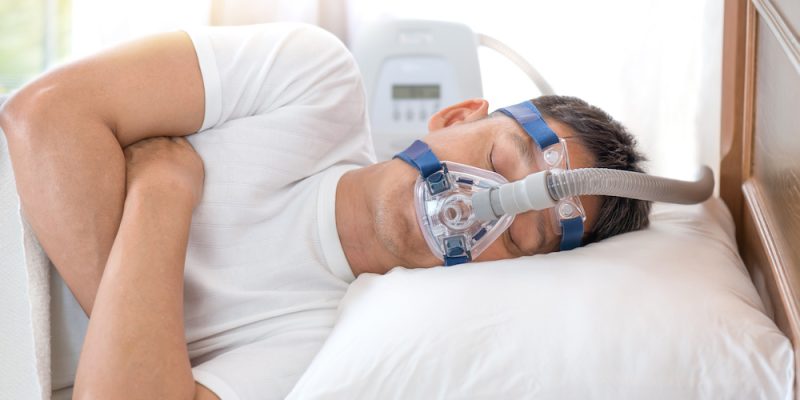
You might be feeling worn down in a way that is hard to explain. Maybe you wake up tired even after a full night in bed, your partner hears loud snoring or pauses in breathing, or you have started to notice morning headaches, dry mouth, and that foggy feeling that follows you through the day. When sleep is broken night after night, it can affect your mood, your focus, and your health. It can also leave you wondering where to turn next, including whether speaking with a friendly orthodontist in Tuckahoe NY may help you understand your options. The short answer is that orthodontics for sleep apnea can play an important role for some people, especially when jaw position, bite problems, or a narrow airway are part of the picture.
Sleep apnea is not just about snoring. It happens when your airway becomes blocked or narrowed during sleep, which can reduce oxygen and disrupt rest over and over again. According to the National Heart, Lung, and Blood Institute, sleep apnea treatment options can include lifestyle changes, CPAP therapy, oral appliances, and sometimes surgery. Because of this range of care, you may wonder whether an orthodontist has a place in the process. In many cases, the answer is yes.
Why Would an Orthodontist Matter if the Problem Happens During Sleep?
That question makes sense, because sleep apnea feels like a nighttime breathing problem, not a teeth problem. But your teeth, jaw, tongue space, and airway are closely linked. If your upper jaw is narrow, your lower jaw sits too far back, or your bite limits the space behind your tongue, your airway may be more likely to collapse while you sleep.
This is where sleep apnea orthodontic treatment may help. Orthodontic care can improve the structure that supports your airway. In children and teens, this may include expansion of a narrow upper jaw. In adults, it may involve coordination with sleep physicians, oral appliance therapy, and in some cases treatment that prepares the bite and jaws for a more stable airway. Not every person with sleep apnea needs orthodontics, but for the right patient, it can be part of a plan that addresses the cause, not just the symptoms.
So, what does that look like in real life? Imagine a child who snores, breathes through the mouth, and struggles to focus in school. A narrow palate may be part of the issue. Or think of an adult who cannot tolerate CPAP and has a recessed lower jaw that leaves little room for the tongue at night. In both cases, a careful airway and bite evaluation can uncover details that matter.
How Can Orthodontics Support Sleep Apnea Treatment Without Replacing Medical Care?
This is where balance matters. Orthodontics is not a stand-alone cure for every case of obstructive sleep apnea, and it should not replace a proper diagnosis. Sleep apnea is a medical condition that often needs testing, usually through a sleep study, and ongoing care from a physician. Still, orthodontic treatment can support that care in a meaningful way.
Research continues to show that jaw and airway structure matter. A recent review on PubMed discusses the connection between craniofacial form and obstructive sleep apnea, which helps explain why jaw and facial structure can influence airway health. Another newer publication points to the role of orthodontic and dentofacial approaches in selected patients, especially when treatment is coordinated across specialties. You can read more about that here in this review of orthodontic approaches related to sleep-disordered breathing.
The key point is this. A good orthodontist does not work in isolation. If sleep apnea is suspected, the best path often includes a sleep physician, and sometimes an ENT, dentist, or oral surgeon as well. That team approach can help you avoid wasted time, missed causes, and treatment that sounds promising but does not fit your needs.
What Are the Main Options, and Where Does Orthodontic Care Fit?
When you are tired and worried, too many choices can feel like no choice at all. It helps to see the differences clearly.
| Approach | How it Helps | Best Use | Limits to Know |
|---|---|---|---|
| CPAP | Keeps the airway open with steady air pressure during sleep | Often first line for moderate to severe obstructive sleep apnea | Some people struggle with comfort or long-term use |
| Oral appliance | Moves the lower jaw forward to help keep the airway open | Mild to moderate cases or people who cannot tolerate CPAP | Not right for every bite or jaw pattern |
| Orthodontic treatment | Addresses jaw width, bite alignment, and structural factors linked to airway space | Children with narrow arches, adults with bite or jaw issues, team-based care | Usually part of a bigger treatment plan, not a quick fix |
| Surgery | Changes airway anatomy more directly | Severe cases or when anatomy strongly contributes to blockage | Recovery time, cost, and careful case selection matter |
For some people, the best answer is not one treatment but a sequence of them. A person might start with CPAP for safety and symptom control, then explore orthodontic or jaw-based options if anatomy suggests a better long-term solution. That is one reason the root service of an orthodontist can matter so much in sleep-related breathing problems.
What Can You Do Right Now if You Think Airway Problems Are Part of the Story?
- Watch for the pattern, not just the snoring.
Snoring gets attention, but it is only one clue. Notice mouth breathing, restless sleep, choking or gasping, morning headaches, daytime fatigue, trouble focusing, and high blood pressure. If this sounds familiar, write it down. A simple list of symptoms can help a doctor or orthodontist see the bigger picture faster.
- Ask for a proper sleep evaluation.
If you suspect sleep apnea, start with medical testing rather than guessing. A sleep study can confirm whether apnea is present and how severe it is. That protects you from undertreating a real problem or spending money on something that does not match your diagnosis.
- Get an airway-focused orthodontic assessment.
Ask whether your jaw position, bite, or arch width could be affecting your breathing during sleep. This step can be helpful for both children and adults. The goal is not to force orthodontics into the plan. The goal is to understand whether your anatomy is making sleep harder than it should be.
Could the Right Plan Help You Sleep and Feel Like Yourself Again?
It can, and that hope matters. Sleep apnea can leave you feeling stretched thin, but it is treatable, and you do not have to sort it out alone. When airway structure is part of the problem, orthodontics may help support a safer, more lasting path forward. The next step is simple. Get evaluated, ask direct questions, and make sure your care team is looking at both sleep and anatomy. Sometimes better sleep starts with a closer look at the way your jaws and airway work together.








Comments