
 By
By 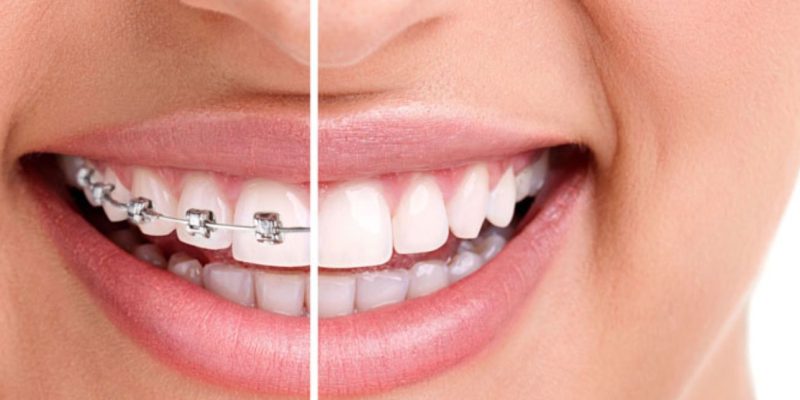
You might be watching your child’s teeth slowly crowd, twist, or leave big gaps, and you are trying to do the right thing. Maybe you are already saving for braces, or you have a first orthodontic consult on the calendar with a dentist in Morrisville, NC, yet there is this nagging feeling that you are missing something. You may be wondering why some kids seem to breeze through orthodontic treatment while others struggle with cavities, broken brackets, or long delays.end
That feeling is very common. Orthodontics often gets all the attention because it is visible and expensive, while quiet things like brushing habits, sealants, and regular cleanings feel less urgent. Because of this tension, you might wonder if preventive dentistry really matters once you decide on braces or aligners.
The short answer is yes. Strong everyday care is what allows orthodontic treatment to work smoothly and safely. Healthy gums and decay free teeth move more predictably, stay more stable, and need fewer unpleasant surprises. When you treat preventive care and orthodontics as one connected plan instead of two separate tracks, the whole process becomes easier on your child, your schedule, and your budget.
So where does that leave you right now. It starts with understanding how early and steady prevention supports every stage of your child’s orthodontic journey.
How does early prevention shape the future of your child’s smile?
To understand why preventive dentistry for orthodontic health matters, it helps to zoom out and look at your child’s growing mouth as a long story, not a single chapter. Baby teeth, mixed dentition, permanent teeth, braces, retainers. Each phase builds on the one before it.
Pediatric dental experts emphasize that the development of the bite and jaw begins very early in life. The American Academy of Pediatric Dentistry describes how growth patterns, spacing, and early habits can set the stage for crowding or misalignment later. You can see this in their guidance on the developing dentition and occlusion in children. When small problems like early tooth loss, prolonged thumb sucking, or untreated decay are ignored, they can quietly shift how and where teeth erupt.
Imagine two children. Both will need braces around age twelve.
The first child has regular checkups with a family dentist, fluoride treatments, and sealants on the chewing surfaces of molars. Any early decay is treated right away. Baby teeth that are lost too soon are protected with space maintainers. By the time braces are needed, the teeth and gums are healthy, and the jaw has developed with enough space for permanent teeth.
The second child rarely sees a dentist. A few baby teeth get cavities, one needs to be pulled, and the space closes on its own. Plaque builds up around the gums. When braces finally go on, the orthodontist is working with inflamed tissue, weak enamel, and less space than nature intended. Teeth still move, but they move in a less stable and more stressful environment.
Both children can get straight teeth. The difference is how hard their bodies have to work, how many extra visits are needed, and how high the risk is for problems that show up years later.
What can go wrong when braces and prevention are out of sync?
Once brackets and wires are in place, cleaning the teeth becomes harder overnight. Food collects around hardware. Plaque is tougher to remove. If daily care and regular preventive visits fall behind, the mouth pays a price.
According to research summarized in a clinical review on orthodontic treatment and oral health, patients in orthodontic treatment are more prone to plaque buildup, gingivitis, and areas of decalcification. Those chalky white spots around where brackets used to be are actually early scars from tooth decay. They can appear in a matter of months if brushing and fluoride support are not consistent.
Tooth decay itself is a gradual process. The National Institute of Dental and Craniofacial Research explains how bacteria in plaque use sugars to produce acids that slowly break down enamel. You can explore this more in the NIDCR’s overview of how tooth decay develops and how to prevent it. When braces are on, those same bacteria have more corners and crevices to hide in, which increases the risk and speed of damage.
This is where the emotional and financial weight shows up. A child who already feels self conscious about braces now has tender, bleeding gums. Parents who carefully budgeted for orthodontics are told that fillings, extra cleanings, or even early removal of braces may be needed. Treatment can drag on longer than planned because teeth will not move well through inflamed or infected tissue.
So, where does that leave you as a parent. It points back to a simple but powerful idea. Straightening teeth works best on a clean, healthy foundation, and that foundation is built in the family dentist’s chair and in your bathroom at home.
Preventive care vs “wait and see” during orthodontics
It can help to see the difference between leaning into prevention and taking a more passive, wait and see approach while your child is in braces. The contrasts are clearer than many families expect.
| Approach | What It Looks Like | Short Term Impact | Long Term Impact |
|---|---|---|---|
| Active preventive care with a family dentist | Regular cleanings, fluoride, sealants when needed, close monitoring of gums and enamel during orthodontics | Fewer cavities during treatment. Less gum soreness. Orthodontic visits focus on movement, not repair. | Lower risk of white spots and decay scars. More stable bite. Less need for future restorative work. |
| “Wait and see” with minimal checkups | Irregular dental visits, brushing without special tools, issues addressed only when pain appears | Higher chance of swollen gums, broken brackets, and emergency visits. Possible treatment delays. | Greater chance of permanent enamel marks, fillings, or even root canals on newly straightened teeth. |
| DIY care without professional guidance | Internet tips, over the counter products, no coordination between orthodontist and general dentist | Harder to judge what is working. Risk of using products that are too harsh or not effective enough. | Uncertain outcomes, with cosmetic straightening that may hide deeper problems under the surface. |
When you look at it this way, you can see why orthodontic success with preventive care is really about teamwork. The family dentist protects tooth health. The orthodontist guides tooth position. Your child and you handle the day to day habits that connect everything.
What can you do right now to support both braces and tooth health?
You do not need a dental degree to set your child up for better orthodontic results. You just need a clear plan and the right habits.
- Build a shared plan with your family dentist and orthodontist
Ask both providers how they coordinate care. Share any concerns about cavities, gum health, or your child’s brushing habits before treatment begins. If orthodontics has already started, it is not too late to adjust.
Good questions include.
How often should my child have cleanings during braces. Are there areas you are already worried about. Would fluoride treatments or sealants be helpful for my child. Do you recommend any specific toothbrushes, flossers, or rinses for braces.
This kind of conversation turns your general dental care and orthodontic treatment into one connected plan, which is what a strong family dentist relationship is meant to support.
- Upgrade the home routine for a “braces environment”
Brushing and flossing with braces is not just “more of the same.” It usually requires new tools and a different rhythm.
Consider these steps.
- Switch to a soft bristle brush or electric brush with a small head to reach around brackets and wires.
- Add floss threaders or orthodontic floss to get under the wire, or use an interdental brush for tight spots.
- Use a fluoride toothpaste and, if advised by your dentist, a fluoride rinse at night for extra enamel protection.
- Set a consistent routine. After breakfast and before bed are non negotiable times. After snacks is a bonus when possible.
For many families, making this a shared routine for a few weeks helps it stick. Standing nearby, encouraging, and checking missed spots can be the difference between good intentions and real change.
- Watch for early warning signs and act quickly
Problems that start small during orthodontic care are much easier to control if you catch them early.
Pay attention to.
- Red, puffy, or bleeding gums that do not improve with better brushing over a week or two.
- White, chalky patches near brackets that do not brush away.
- Bad breath that lingers even after brushing.
- Any complaint of sensitivity when eating or drinking.
If you notice these changes, do not wait for the next scheduled appointment. Call your family dentist and share what you see. A quick visit to adjust cleaning techniques, apply extra fluoride, or treat a small cavity can prevent larger repairs and keep orthodontic progress on track.
Bringing it all together for your child’s orthodontic journey
You want your child to finish treatment with more than straight teeth. You want a healthy, comfortable smile that lasts. That outcome does not come from braces alone. It comes from the quiet, repeated choices you make about prevention at home and with your dental team.
When you honor how much preventive dentistry supports orthodontic treatment, you lower the emotional stress of surprise problems, protect the investment you have made, and give your child a better experience in the chair and in the mirror afterward.
You do not have to fix everything at once. Start with one conversation with your family dentist, one upgrade to your home routine, and one commitment to act early when something seems off. Those small steps add up to a smoother journey and a stronger smile for the long term.








Comments