
 By

You remind your child to brush, buy the toothpaste with the fun flavor, and try to keep bedtime from turning into a debate. Some days it works. Some days your child clamps their mouth shut, chews the toothbrush, or gives you ten rushed seconds and calls it done. That is normal, and it wears you out. If you need extra support, a dentist in LaGrange, GA can help.
Teaching oral care at home sounds simple until real life gets involved. Kids get distracted. Parents second guess themselves. You may wonder if you are pushing too hard, not doing enough, or missing something that could lead to cavities later. A family dentist helps close that gap. Good home habits still matter most, but a family dentist gives you guidance, timing, and support that turns brushing and flossing from a daily fight into a skill your child can actually learn.
Family dentists turn daily brushing struggles into teachable moments
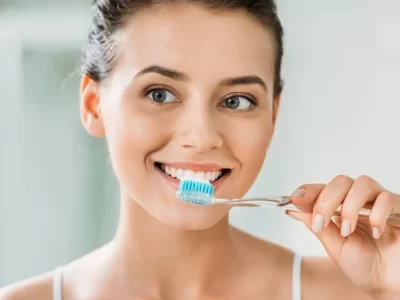
Children do not learn oral hygiene from one talk. They learn through repetition, modeling, and correction. That is hard to manage when mornings are rushed and evenings are already full. Parents often end up focusing on getting the task done, not on teaching the technique. A child may brush every day and still miss the gumline, skip the back teeth, or use too much pressure.
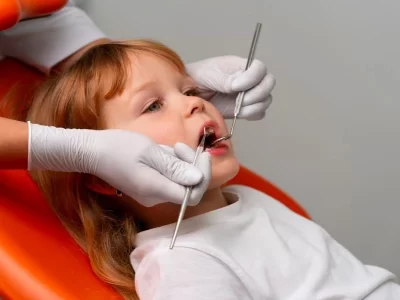
This is where family dental care for parents and children makes a difference. During routine visits, dentists and hygienists can show children how to hold the brush, where plaque tends to build up, and why gentle brushing works better than scrubbing. Kids often respond differently to a dental professional than they do at home. The same instruction you gave five times may finally click when it comes from someone in a mask with a tiny mirror and a clear explanation.
That support also helps parents. Instead of guessing whether your child is ready to brush alone, you get a more accurate answer based on age, dexterity, and oral development. A dentist may point out that your six year old still needs hands on help, or that your older child needs a better flossing method because tight contact points are trapping food. That kind of advice saves time and frustration.
Preventive dental visits help parents catch problems before habits harden
Small issues become expensive issues when they go unnoticed. A child who breathes through their mouth may wake up with dry gums and a higher cavity risk. A child with sensory sensitivity may avoid brushing certain areas every single day. Another may snack often enough that even decent brushing is not enough to protect enamel. These patterns are easy to miss at home because they look like personality quirks, not oral health risks.
A family dentist sees those patterns early. Preventive visits give parents a clearer picture of what is happening beyond the obvious. If your child has early signs of decay, weak enamel, crowding, or gum irritation, you can adjust routines before the damage grows. The advice is practical, not abstract. Brush after this snack pattern. Use a smaller brush head. Switch to a smear or pea sized amount of fluoride toothpaste based on age. Keep helping at night, even if mornings are independent.
Public health guidance supports that early, consistent approach. The CDC’s oral health tips for children outline daily habits that lower the risk of cavities, and the HRSA guidance for young children’s oral health reinforces the value of early dental care and parent involvement.
Teaching oral hygiene works better when parents get specific, age based guidance
Parents often get broad advice that sounds fine but does not help much at 7:45 at night. “Make brushing fun” is not enough when your toddler hates the texture of toothpaste or your eight year old rushes through everything. A dentist can tailor the plan to your child’s stage and temperament.
If your child is very young, the focus may be on building comfort, routine, and trust. If your child is school age, the goal may shift toward technique and consistency. Teenagers need a different kind of support, especially if braces, sports drinks, or skipped routines are part of the picture. This is one reason helping kids learn oral hygiene works best when home care and professional care reinforce each other.
| Home Teaching Alone | Home Teaching With a Family Dentist |
|---|---|
| Parents rely on trial and error | Parents get personalized advice based on the child’s mouth and habits |
| Technique mistakes may go unnoticed for months | Brushing and flossing problems are corrected during checkups |
| Children may resist parent instruction | Children often respond better to demonstrations from dental staff |
| Early decay or gum irritation may be missed | Problems are spotted sooner, when changes at home can still help |
| Parents may not know when a child can brush alone | Independence is guided by age, skill, and risk level |
Parents can build stronger oral hygiene routines with simple changes
Watch one brushing session closely. Do not just ask if your child brushed. Stand with them and look for what they actually do. Are they reaching the back teeth? Are they brushing for two full minutes? Are they spitting out toothpaste right away and moving on? One observed session tells you more than a week of reminders.
Ask your family dentist for one fix, not ten. Too much advice gets lost. If flossing is the weak point, focus there first. If brushing pressure is the problem, work on that before adding mouthwash or reward charts. One specific change is easier for your child to learn and easier for you to reinforce.
Keep the routine steady, even when your child pushes back. Kids read inconsistency fast. If brushing is optional when everyone is tired, the habit weakens. Keep the steps short and predictable. Brush at the same times, use the same setup, and offer help without turning it into a long negotiation.
Family dentistry gives parents support, not judgment
No parent handles oral hygiene perfectly every day. Children refuse, forget, stall, and test limits. That does not mean you have failed. It means your child is learning a life skill that takes time, repetition, and support from more than one place.
A good family dentist helps you teach that skill with less guesswork and more clarity. If your child’s routine feels shaky, or you want a better plan for brushing, flossing, and prevention, schedule a visit for guidance that fits your family and your child’s age. Strong habits start at home, and they grow faster when you do not have to figure it all out alone.





Comments