
 By
By 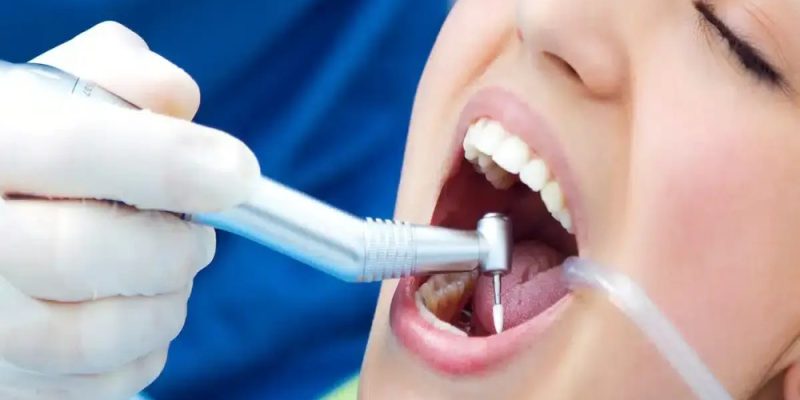
Tooth loss can shake your confidence and change how you eat, speak, and smile. Many adults now choose dental implants because they want a stable, lasting answer instead of a loose bridge or removable denture. You may feel tired of worrying if your teeth will slip. You may want to bite into food without fear. Implants connect to your jaw and stand on their own. They do not rely on other teeth. As a result, you get strong support, a natural look, and clear speech. You also help protect your jaw from shrinking after tooth loss. If you plan ahead with a trusted dentist in Green Bay, WI, implants can fit into a simple step-by-step plan. You can regain comfort, steady chewing, and quiet confidence.
Why tooth loss is so common in adults
Tooth loss is not rare. It affects many adults of all ages. You might lose a tooth after long-term decay. You might lose one after a gum infection or an injury. Some adults lose several teeth over time. That slow loss can change your bite and your face shape.
The Centers for Disease Control and Prevention explains that almost half of adults over 30 have gum disease. That gum disease can lead to loose teeth and tooth loss. This steady loss can feel like a quiet crisis. You may start to cover your mouth when you laugh. You may avoid photos. You may give up foods you once loved.
Why many adults now choose implants
Adults often try a bridge or denture first. Over time, you may notice limits.
- Bridges can stress nearby teeth
- Partial dentures can move when you talk or chew
- Full dentures can rub and cause sore spots
At some point,t you may want something that feels more like real teeth. That is where implants stand out. An implant is a small post that sits in your jaw. It holds a crown, bridge, or denture in place. Your new tooth does not rest on other teeth. It uses your jaw for strength.
How implants compare with other options
The table below gives a simple side-by-side view. It shows how implants differ from bridges and dentures in daily life.
|
Feature |
Dental Implants |
Traditional Bridge |
Removable Denture |
|---|---|---|---|
|
Stability when chewing |
Feels like natural teeth |
Stable but fixed to nearby teeth |
Can shift or rock |
|
Support from jaw bone |
Yes, helps maintain bone |
No, sits above bone |
No, rests on gums |
|
Impact on nearby teeth |
No change to nearby teeth |
Often needs tooth drilling |
Clips can stress teeth |
|
Speech comfort |
Clear |
Usually clear |
May affect some words |
|
Daily cleaning |
Brush and floss like teeth |
Brush and special floss |
Remove and clean outside mouth |
|
Longevity with good care |
Often many years |
Often 10 years or less |
Often 5 to 8 years |
Benefits you may feel day to day
Implants can change simple moments in your day.
- You chew with steady strength
- You speak without fear of slipping teeth
- You brush and floss without extra tools
Your jaw also gains support. When a tooth is gone, the bone in that spot can shrink over time. That shrinkage can make your face look sunken. An implant gives your jaw a reason to stay strong. The National Institute of Dental and Craniofacial Research explains how bone loss follows tooth loss and how implants can help support bone.
What to expect from the implant process
The implant process takes planning and patience. It is not a quick fix. Yet each step has a clear goal.
First, you meet with a dentist or specialist. You share your health history. You talk about your goals. You often receive X-rays or scans. These pictures show the height and width of your jawbone. They also show nearby nerves and sinuses.
Next, you receive a plan. The plan covers three main steps.
- Place the implant post in the jaw
- Allow time for the bone to grow around the post
- Place the abutment and final crown or other teeth
Healing times vary. You might wait several months between steps. During that time, you may wear a temporary tooth so you can smile and speak. Each visit checks your healing and comfort.
Who may be a good match for implants
Not every person can receive an implant right away. Some need extra care first.
- You need healthy gums
- You need enough jawbone for support
- You need to keep up daily brushing and flossing
If you smoke or have some health conditions, your dentist may suggest changes before treatment. In some cases, you may need a bone graft. That step adds support to your jaw so it can hold an implant. Your dentist talks through each choice in plain terms.
Costs, insurance, and long-term value
Implants often cost more at the start than a bridge or denture. That cost can feel heavy. It helps to look at long-term value. A well-cared-for implant can last many years. A bridge or denture may need replacement sooner. You may also spend less time on repairs.
Some insurance plans pay part of the cost. Some do not. You can ask about payment plans or staged treatment. You might replace one tooth now and plan for others later. You keep control of the pace.
Questions to ask your dentist
You deserve clear answers before you choose any treatment. You can bring a short list of questions.
- How many implants have you placed
- What are my other choices
- How long will my full treatment take
- What risks should I know about
- How will we control pain and swelling
- How much will this cost from start to finish
You can also bring a family member to your visit. Another set of ears can help you remember details and feel calm.
Taking the next step
Tooth loss does not need to control how you eat, speak, or show your smile. You can explore options that match your health, your budget, and your goals. You can start by asking your regular dentist for an honest opinion about implants. You can seek a second view if you feel unsure.
You have the right to feel steady when you bite into a meal. You have the right to smile in photos without fear. With careful planning and clear facts, dental implants can offer a path back to strength, comfort, and quiet pride in your smile.









Comments