
 By
By 
You might be feeling a quiet, nagging worry every time you hear about a “new virus” on the news. Maybe it started with COVID, or with headlines about rabies, bird flu, or “mystery” illnesses in animals. You look at your dog, your cat, or the livestock you depend on, and you wonder what you are missing and whether you are doing enough-or whether you should talk to a veterinarian in High Park, Toronto to be sure.end
It can feel unfair. You are doing your best, yet the risks seem to keep multiplying. New terms like “zoonotic disease” and “spillover” get thrown around, and suddenly it sounds like every cough or fever could be a threat to both animals and people.
Here is the short version. Many of the infections that scare us most start in animals. Vaccines are one of the clearest, most proven tools to stop those infections from jumping between animals and humans. When you understand how vaccination for zoonotic disease prevention works, and what is actually worth worrying about, you gain back some control. You can make calm, informed choices for your animals and your family, instead of living in constant fear of the next outbreak.
What are zoonotic diseases, and why do they keep showing up in the news?
A zoonotic disease is an infection that can pass between animals and humans. That includes familiar names such as rabies, salmonella, certain types of flu, and many others. According to the Centers for Disease Control and Prevention, more than half of known human infections come from animals, and most new or emerging diseases have animal origins. You can read more about what counts as a zoonotic disease in this clear overview from the CDC on zoonotic diseases.
So where does that leave you if you share your life, your home, or your livelihood with animals
First, it is important to acknowledge the emotional side. When you hear that “most new diseases come from animals,” it is easy to feel guilty or frightened. You might worry that your pet could harm your child, or that your herd could be the source of an outbreak. That fear can push people into extremes. Some ignore the risk and hope for the best. Others overreact, avoiding normal contact with animals, or delaying care because they are overwhelmed.
The truth is more balanced. Animals are not the enemy. Poor prevention is. This is where vaccines quietly change the story.
How do vaccines actually help prevent diseases that move between animals and people?
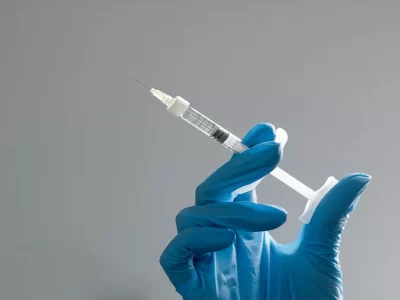
Vaccination is simply training the immune system. A vaccine shows the body a safe version or piece of a germ, so the immune system can learn to recognize it and fight it off later. The World Health Organization explains this clearly in its overview of what vaccination is and how it works.
When you zoom in on the role of vaccines in preventing zoonotic diseases, a few things become clear.
First, vaccines protect the individual animal. A dog vaccinated for rabies is highly unlikely to get rabies from wildlife. That means your dog is safer, and so are the people who interact with that dog.
Second, vaccines protect communities. When enough animals in a population are vaccinated, the germ has a harder time spreading. This “herd protection” effect lowers the chance that a disease will reach humans at all. It is not just about one animal. It is about the entire chain of transmission.
Third, vaccines protect you financially. A single case of a serious zoonotic disease can mean emergency vet bills, human medical costs, lost work, quarantine, and in some cases mandatory euthanasia of exposed animals. A well planned vaccination schedule costs far less than managing a preventable outbreak.
You might wonder how this plays out in real life.
Imagine a rural family with outdoor dogs, barn cats, and a small flock of backyard poultry. Without proper vaccines and biosecurity, those animals can encounter wildlife, contaminated water, or infected birds. That creates pathways for rabies, leptospirosis, and avian flu. Now add children who like to cuddle the pets, and grandparents who might have weaker immune systems. The emotional and financial stakes climb quickly.
Now picture the same home where the dogs and cats are fully vaccinated, and the poultry are managed under current disease control guidance. The risk does not go to zero, but it drops sharply. The family has a simple plan. They know which symptoms to watch for. They know when to call their general veterinarian. Anxiety is replaced with a steady, realistic kind of confidence.
What are the tradeoffs of vaccination for zoonotic disease prevention?
Because of this tension between fear of disease and worry about “too many shots,” you might feel stuck. You want protection, but you also want to avoid unnecessary interventions. It helps to look at the tradeoffs in a calm, side by side way.
| Question | Choosing vaccination | Skipping or delaying vaccination |
|---|---|---|
| Risk of serious zoonotic disease | Greatly reduced for many key infections such as rabies and certain types of flu | Higher chance of infection spreading between animals and humans |
| Emotional impact | More peace of mind, clearer plan, less fear of everyday contact with animals | Ongoing worry about “what if” situations and outbreaks in the news |
| Financial impact | Predictable, smaller routine costs for vaccines and checkups | Risk of large, sudden bills for emergency care, testing, and possible human treatment |
| Public health responsibilities | Supports community protection and often meets legal requirements for diseases like rabies | Possible legal or public health consequences if an unvaccinated animal exposes a person |
| Side effects and safety | Most animals experience only mild, short term reactions. Serious reactions are rare and treatable. | No vaccine side effects, but exposure to real disease can cause severe or fatal illness. |
One CDC analysis of rabies control programs shows that widespread vaccination of dogs in many countries moved human rabies from a common tragedy to a rare event. That is the kind of quiet success that rarely makes headlines. You can see how experts approach these problems in this CDC report on zoonotic disease prevention strategies.
So, where does that leave you today, with the animals you care for and the people you want to protect
What can you do right now to protect your animals and your family?
You do not need to become a scientist to make smart choices. You just need a simple, steady plan that respects both the risks and the realities of daily life with animals. Thoughtful veterinary vaccination services are a big part of that plan.
1. Get a clear, written vaccination plan for each animal
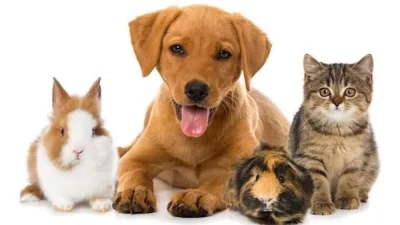
Start by listing every animal in your care. Include pets, working animals, and livestock if you have them. For each one, talk with a trusted general veterinarian about which vaccines are essential and which are optional based on species, age, lifestyle, and local disease patterns.
Ask for a written schedule. That might include core vaccines such as rabies for dogs and cats, and specific vaccines for farm animals. A written plan turns a vague worry into a manageable checklist. It also helps you budget, because you can see what is due and when.
2. Pay attention to small changes in behavior or health
Vaccines reduce risk, but they do not erase it. That means your eyes and your instincts still matter. If a usually friendly dog suddenly becomes aggressive or confused, if a barn cat starts drooling and hiding, or if poultry show sudden illness or strange deaths, do not wait and see for too long.
Call your veterinarian and explain what you are noticing. Early action can protect the sick animal, and it can also protect anyone who has been exposed. Even if it turns out to be something simple, you will have acted with care instead of regret.
3. Set simple hygiene and contact habits at home
Vaccines work best when they are part of a broader routine. Teach children to wash hands after playing with animals. Store animal food separately from human food. Avoid kissing animals on the mouth or sharing utensils. Keep litter boxes, cages, and stalls as clean as is reasonable for your situation.
You do not need to live in fear or keep animals at a distance. You just need small habits that lower everyday exposure, so that if a germ does show up, it has fewer chances to move between animals and people.
Moving forward with more confidence and less fear
Living with animals is one of the great joys of life, yet it comes with responsibilities and, at times, real worry. When you understand how vaccines fit into the bigger picture of preventing diseases that move between animals and humans, the fear becomes more manageable. You stop feeling like danger is everywhere, and start seeing the specific steps that lower risk in a real, measurable way.
You do not have to solve global health problems. You only need to care for the animals in front of you and the people under your roof. Thoughtful vaccination, early attention to changes in health, and simple hygiene habits work together to create a safer space for everyone.
If you feel overwhelmed, that is understandable. Start with one thing. Schedule a visit with a general veterinarian and ask for a practical vaccination and prevention plan tailored to your animals and your daily life. From there, each small step you take is another layer of protection, and another reason to breathe a little easier around the animals you love.









Comments