
 By
By 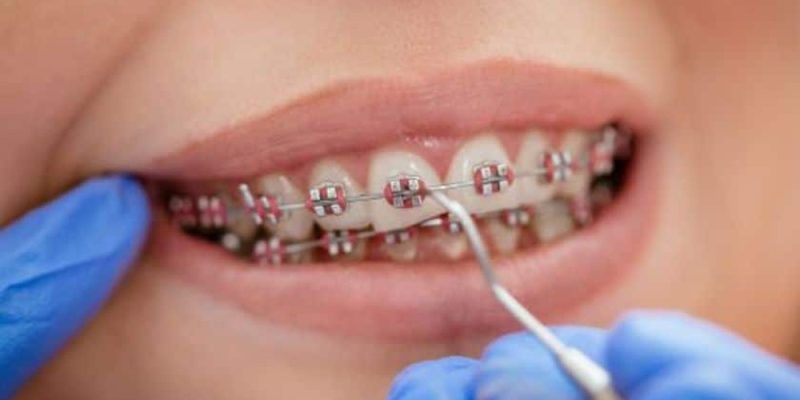
You might think braces only create straight teeth. The truth reaches further and touches your daily life. An experienced Zionsville orthodontist studies how your teeth, jaws, and bite work together. This care does more than change a smile in the mirror. It helps you chew with less strain. It protects teeth from wear and fracture. It lowers your risk of gum disease and infection. It can even improve breathing and sleep.
Crooked teeth trap food. A tight bite chips enamel. A narrow jaw crowds your tongue. Each problem grows over time and can lead to pain, costly repairs, or tooth loss.
This blog explains five clear ways orthodontic care supports your whole mouth. You will see how small changes in tooth position can protect your gums, joints, and airway. You will also learn simple steps you can take now to support this care at home.
1. Easier Cleaning and Lower Risk of Cavities
Teeth that twist or crowd touch in tight spots. Food and plaque collect between them. A toothbrush and floss cannot reach well. Then bacteria grow. Cavities start. Gums bleed.
Orthodontic care lines up teeth so you can clean every surface. Your brush can cover more of each tooth. Your floss can slide between teeth without shredding. That simple change cuts your risk of decay.
According to the Centers for Disease Control and Prevention, tooth decay is one of the most common chronic conditions in children and adults. Straighter teeth remove many hidden traps where decay starts.
To support this benefit, you can:
- Brush two times each day with fluoride toothpaste
- Floss once each day around every tooth
- Use an interdental brush for any tight spots around braces
2. Healthier Gums and Less Inflammation
Gums react to constant plaque. They swell. They bleed. They pull away from teeth. Crooked teeth and bite problems give plaque more places to hide and grow. That strain can lead to gum disease.
When orthodontists move teeth into a more open, even arch, your gums can fit snugly around each tooth. Plaque clears faster. Gums calm down. Bleeding often drops.
Research from the National Institute of Dental and Craniofacial Research shows that many adults live with some level of gum disease. Orthodontic treatment does not cure gum disease. It can remove one of the main causes that keeps it going.
After teeth move into better positions, you can protect your gums when you:
- Keep regular cleanings with your dentist
- Use a soft brush and gentle pressure along the gum line
- Rinse with water after snacks when brushing is not easy
3. Safer Bite and Less Tooth Wear
A strong bite is helpful. A harsh bite is not. When top and bottom teeth hit in the wrong way, the enamel grinds. Edges chip. Teeth shorten. That damage is permanent.
Orthodontists study how your teeth meet when you close. They look for:
- Deep bites where top teeth cover most of the lower
- Underbites where lower teeth sit in front of uppers
- Crossbites where some teeth bite on the wrong side
By adjusting tooth and jaw positions, they spread chewing forces more evenly. One tooth no longer carries the full hit. Over time, this helps you keep a more natural tooth structure.
Common Bite Problems and Possible Effects
|
Type of Bite Problem |
How Teeth Meet |
Possible Long Term Effect |
|---|---|---|
|
Deep bite |
Top front teeth cover lower front teeth |
Wear on lower front teeth and gum irritation |
|
Underbite |
Lower front teeth sit in front of uppers |
Chipping of front teeth and jaw joint strain |
|
Crossbite |
Upper teeth bite inside lower teeth |
Uneven wear and risk of tooth fracture |
|
Open bite |
Front teeth do not touch when back teeth close |
Chewing trouble and stress on back teeth |
4. More Comfortable Jaws and Joints
Your jaw joints sit in front of each ear. They work every time you talk, chew, or yawn. When your bite is off, those joints and the muscles around them work harder. That can lead to jaw pain, headaches, or popping sounds.
Orthodontists look at both teeth and joints. They check how wide you can open. They listen for clicks. They watch how your jaw moves from side to side. Then they plan care that aims for a more relaxed bite.
When your teeth meet in a stable way, your muscles do not fight to find a better spot. That often lowers strain in the jaw and neck.
To protect your jaw comfort, you can:
- Avoid chewing ice or other hard items
- Limit gum chewing
- Tell your orthodontist if you clench or grind at night
5. Better Airway Support and Sleep
The shape of your jaws can affect how you breathe at night. A narrow upper jaw can crowd your tongue. Then your tongue sits farther back toward your throat. During sleep that may reduce airflow. In some children and adults, that pattern links to snoring or sleep-related breathing problems.
Certain orthodontic treatments can widen the upper jaw or guide jaw growth in children. That extra space can help the tongue rest in a better position. It can also help the lips close more easily. These changes support open nasal breathing.
Healthy breathing brings more oxygen during sleep. Many families notice changes such as:
How You Can Support Orthodontic Care at Home
Orthodontists guide the plan. You control daily habits. Together, those choices protect your mouth for many years.
You can support your treatment when you:
- Keep every checkup and adjustment visit
- Follow food guidelines to prevent broken brackets
- Wear rubber bands or other appliances as directed
- Clean around braces or aligners with care every day
- Wear retainers as instructed after treatment
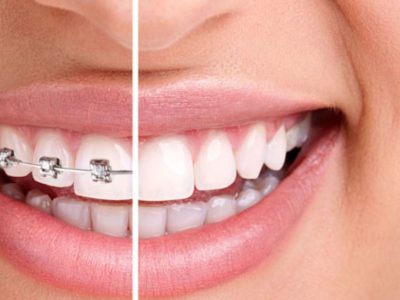
Orthodontic care is not just about straight teeth in photos. It is about stronger teeth, calmer gums, safer joints, and easier breathing. When you understand these five benefits, you can make clear choices for your child or yourself with less doubt and more control.









Comments