
 By
By 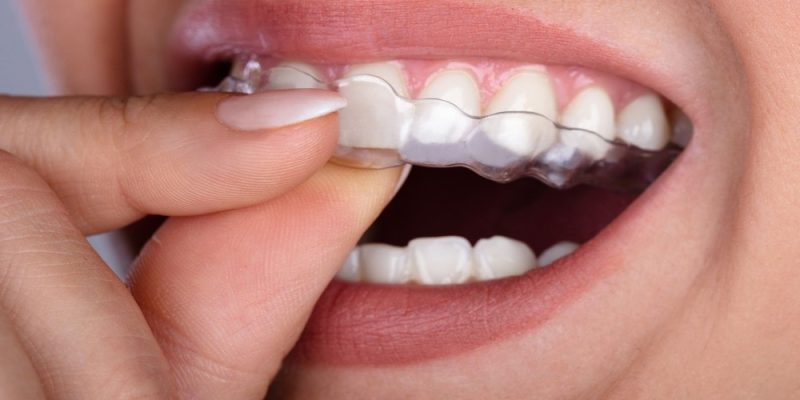
Straight teeth do not come from effort once in a while. They come from steady habits you repeat every single day. When you use clear aligners, consistency is the engine that moves your teeth. Irregular use slows progress. It can also cause pain, longer treatment, and discouraging results. You deserve a clear plan, clear expectations, and honest guidance. This blog explains why wearing your trays as directed matters more than any other step. It also shows how small daily choices add up to big changes. If you use clear aligners in Bridgewater, VA, your routine will decide how soon you see a stable smile. Every hour you wear your trays counts. Every time you skip them, your teeth move backward. You can protect your time, money, and energy by treating consistency as your top priority.
Why aligners need steady wear
Your teeth move only when gentle pressure is applied to them. Clear trays give that pressure. When you leave them out, the pressure stops. Then your teeth start to drift back toward their old spots.
Orthodontic research shows that teeth can start to shift in a short time. The National Institutes of Health reports that teeth move in small steps that build on each other. If you break the chain, you lose ground.
Steady wear does three key things.
- Guides teeth in the right direction
- Helps your mouth adjust with less pain
- Keeps each new tray fitting the way it should
What happens when you skip hours
Missing hours does more than slow you down. It changes how each tray fits. Then you may feel more pain when you put the tray back in. Your teeth then need to move farther to catch up. This can stretch your treatment time.
Here is a simple comparison of routine wear and irregular wear.
|
Wear pattern |
Daily tray time |
Tray fit |
Comfort |
Estimated treatment length |
|---|---|---|---|---|
|
Consistent |
20 to 22 hours |
Snug and even |
Mild soreness that fades |
Matches original plan |
|
Irregular |
Under 18 hours |
Loose in spots or hard to seat |
Sharp pain when reinserted |
Often longer than planned |
|
Frequent skipping |
Under 12 hours |
May not seat fully |
Ongoing pain and pressure |
May need new trays or restart |
This table is not a promise. It is a warning. Your mouth is unique. Still, the pattern stays the same. Less wear means less progress and more risk.
The 20 to 22 hour rule
Most aligner plans ask you to wear trays 20 to 22 hours each day. That leaves only a small window for meals, drinks, and brushing. It may feel strict. It is still the safest way to reach your goal.
You can use three simple checks.
- Count your meals. Limit long meals that stretch over an hour.
- Set a timer every time you take the trays out.
- Check your wear time at the same time each night.
If you find you are under the target, adjust the next day. Small changes add up when you repeat them every day.
Building a family routine
Aligners affect more than one person. They affect your family schedule. A clear routine helps children and adults stay on track. The Centers for Disease Control and Prevention notes that daily habits support good oral health.
Try these steps at home.
- Link tray use to daily events like breakfast, school, and bedtime.
- Keep a simple chart on the fridge for younger children.
- Pack a small case with the tray box, a travel brush, and floss.
Children watch how adults handle rules. When parents treat tray wear as non-negotiable, kids see that dental health matters.
Managing pain without breaking routine
Some soreness is normal when you switch to a new tray. That soreness is a sign that your teeth are moving. Removing the tray for long stretches may seem like relief. Instead, it often leads to sharper pain when you put it back in.
Use these three steps instead.
- Switch to a new tray at night. Sleep through the first hours of soreness.
- Use cold water rinses to calm your gums.
- Eat soft food for the first day with a new tray.
If pain stays strong or you see cuts or blisters, contact your dental team. Do not stop wearing trays without clear advice.
Food, drinks, and aligner safety
Aligners must come out for meals. Hot drinks can warp the plastic. Sugary drinks can trap sugar under the tray and feed decay. The pattern is simple.
- Remove trays for all meals and any drink that is not plain water.
- Rinse or brush before putting trays back in.
- Keep a clean case with you so you do not wrap trays in napkins and lose them.
These habits protect your teeth from cavities during treatment. They also keep trays clear and less noticeable.
What to do if you fall behind
Life can disrupt routines. Travel, illness, or stress can lead to missed hours. The worst choice is to hide it. The best step is to be honest with your dental team.
Use this plan.
- Count how many days you wore trays for less than 20 hours.
- Call your provider and share the pattern.
- Follow their advice. You may need to wear the same tray longer.
Honest communication protects your results. It also protects your wallet from costly fixes.
Staying consistent for lasting results
Clear trays can guide your teeth into a steady smile. They only work when you work with them. Your daily routine is the true treatment. You choose each hour whether your teeth move forward or slip back.
When you wear your aligners as directed, you gain three things. You gain shorter treatment. You gain fewer painful surprises. You gain a smile that is more likely to stay in place for years. That is the power of consistency.










Comments