
 By
By 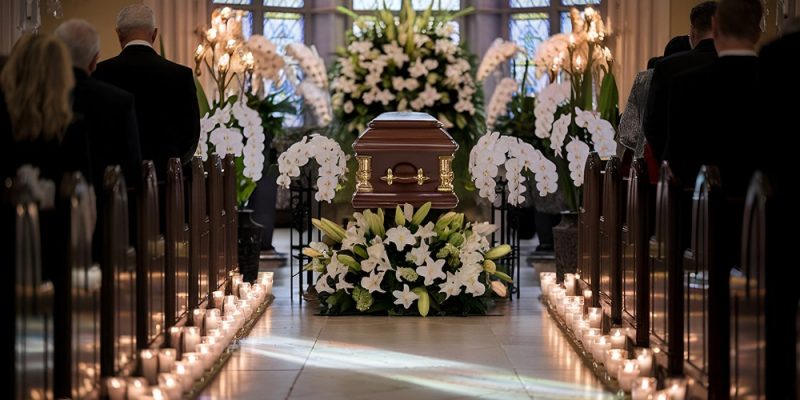
Key Takeaways
- Catholic funerals include structured rites such as the Vigil and Funeral Mass.
- Symbolic elements like incense and the pall reflect theological meaning.
- Burial traditions and prayers for the soul distinguish Catholic practices.
Introduction
Roman Catholic funerals follow a structured liturgical framework that sets them apart from other Christian services, particularly in how they integrate prayer, ritual, and symbolism throughout the service. Families often encounter these differences when planning arrangements, especially if they are more familiar with other Christian traditions that may take a simpler approach. Each stage of the service reflects specific theological beliefs, which shape how the wake, mass, and final committal unfold. Understanding these distinctions helps families prepare for the sequence of events and the meaning behind each practice.
1. The Vigil Service Before the Funeral
Catholic funerals in Singapore usually begin with a Vigil, which takes place during the wake period before the main service. This gathering centres on prayer, including the Rosary, and provides a space for reflection and remembrance. While other Christian traditions may hold similar gatherings, the structured nature of the Vigil and its emphasis on specific prayers distinguish it from more informal memorial settings. This stage prepares both the family and the community for the formal liturgy that follows.
2. The Central Role of the Funeral Mass
The Funeral Mass serves as the focal point of Roman Catholic funerals, where the Eucharist forms an essential part of the service. This liturgical element reflects the belief in spiritual communion and the hope of eternal life. In contrast, other Christian services may not include communion or may treat it as optional. The presence of the Mass shapes the tone and structure of the entire funeral, making it more formally guided by church rites.
3. Use of Incense and Holy Water
During the service, the priest uses incense and holy water as part of the blessing of the casket. These actions carry symbolic meaning related to purification and respect for the body. While other Christian traditions may include prayers or hymns, they do not always incorporate these physical elements in the same way. The use of these materials creates a more sensory experience that reinforces the spiritual significance of the ritual.
4. The Pall and the Paschal Candle
At the start of the Funeral Mass, a white cloth known as the pall is placed over the casket, and the Paschal Candle is positioned nearby. These elements symbolise the deceased’s baptism and the belief in resurrection. Other Christian services may include symbolic gestures, yet they do not always follow this specific combination of rituals. The consistent use of these items reflects a strong connection between baptismal identity and the final rites.
5. Prayers for the Soul’s Purification
Roman Catholic funerals include prayers that focus on the soul’s journey after death, particularly the belief in purification before entering heaven. This aspect of the service distinguishes it from other Christian traditions that may focus more on remembrance or celebration of life. The prayers express hope for spiritual peace while acknowledging the ongoing process of salvation according to Catholic teaching.
6. Burial Practices and Cremation Guidelines
While cremation is permitted, the Church traditionally prefers burial, and it requires that ashes be kept in a sacred place if cremation takes place. This approach reflects respect for the body and the belief in resurrection. Other Christian traditions may allow more flexibility in how remains are handled. These guidelines shape how families plan the final stage of the funeral and ensure that practices align with religious expectations.
Conclusion
Roman Catholic funerals follow a distinct structure that reflects deeply rooted beliefs about life, death, and spiritual continuity. Each element, from the Vigil to the committal, contributes to a cohesive process that emphasises prayer and ritual. Recognising these differences allows families to approach arrangements with greater clarity and respect for the traditions involved.
Contact Casket Fairprice to arrange a Catholic funeral in Singapore with proper coordination of Vigil and Funeral Mass services.







Comments