
 By
By 
You might be feeling a little guilty every time you realize it has been “a while” since anyone in your family had a checkup. Maybe you have bounced between dentists because of insurance changes or moved to a new area and never really settled on one dental office in Anchorage. Or maybe your child is nervous about dental visits and every appointment feels like a small emotional battle.end
When life is busy, it is easy to treat dental care as a series of one-off visits instead of an ongoing relationship. Yet over time that approach can lead to more stress, more urgent problems, and higher costs. A stable relationship with a trusted family dentist changes that pattern. It turns dental care from something you dread into a quiet support system running in the background of your life.
That is the heart of why building a relationship with a family dentist matters. It creates continuity, catches problems early, supports your children as they grow, and gives you a place where your story is known. It does not erase every dental issue, but it makes them easier to face and easier to manage.
Why does dental care feel so stressful for families in the first place?
Think about how dental visits often happen. A tooth starts to ache. A filling breaks. Your child wakes up with swollen gums. You scramble to find “someone who can see us today,” then you wait, worry, and hope it is nothing serious. The visit is rushed. You leave with a bill, a prescription, and a lingering sense of “We should really stay on top of this.” Then life gets busy again.
This cycle is emotionally draining. You live in reaction mode, which can make you feel like you are always two steps behind. Children pick up on that tension. If every dental visit is tied to pain or panic, they learn to fear the chair long before they understand why they are there.
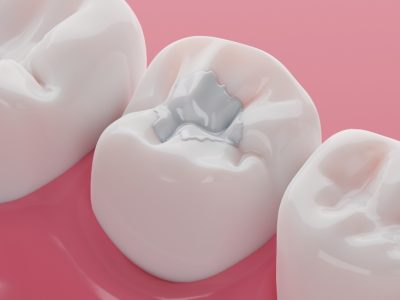
Financially, reactive care is often more expensive. A small cavity that might have been handled with a quick filling can turn into a root canal or even an extraction if it is ignored. Emergency visits tend to cost more than routine exams. When issues are caught late, treatment is usually more complex, more time consuming, and more disruptive to work and school.
So where does that leave you if you are already caught in this pattern and feeling overwhelmed?
How does a long-term family dentist change the story?
A continuous relationship with a family dentist turns scattered appointments into what pediatric experts call a “dental home.” The American Academy of Pediatric Dentistry describes a dental home as an ongoing, coordinated place for your child’s oral health, similar to a primary care doctor for medical needs. You can read more about the dental home concept here.
When you choose to build that sort of relationship, several things begin to shift.
First, your dentist knows your history. They remember that your child had early cavities, that you grind your teeth at night, or that gum disease runs in your family. Because of this, they can watch for patterns, not just isolated problems. That awareness allows them to act before small warning signs turn into major issues.
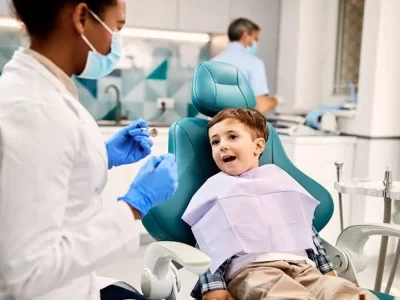
Second, your children get used to the same faces, the same voices, and the same routines. Regular cleanings and checkups become familiar, not frightening. The chair is no longer a symbol of pain. It is just part of growing up and taking care of themselves. This is especially important if your child has anxiety, sensory needs, or past negative experiences with medical care.
Third, you have someone to call when something feels off. Instead of starting from scratch with a new office each time, you can reach out to a team that already knows you. They can help you decide whether something can wait or needs urgent attention. That kind of support lowers stress in moments when you are already worried.
Over time, this ongoing connection with a trusted family dentist becomes less about “going to the dentist” and more about having a steady partner in your family’s health.
What problems can a strong dentist relationship actually prevent?
It can help to picture a few “what if” scenarios to see how much difference this relationship can make.
Imagine your child is three years old and very shy. You bring them for a first visit with a dentist who welcomes young patients and believes in the dental home model. The first appointment is short and relaxed. There is a simple exam, some counting of teeth, and time to explore the chair. Over the next few years, your child returns every six months. The staff remembers their favorite cartoon and their fear of loud noises. By the time they are old enough for more involved care, they already trust the people around them. That trust makes every future treatment easier.
Now imagine you are in your forties. You have had some gum bleeding but keep putting off a visit because you are busy. If you already have a relationship with a family dentist, that concern can be checked during your regular cleaning. Early gum disease can often be managed with focused cleanings and better home care. If you wait until your gums are very sore and teeth feel loose, treatment becomes more complex and more expensive.
Or think about a teenager with braces. A family dentist who sees them regularly can coordinate with the orthodontist, watch for areas that are hard to clean, and reinforce good habits. That teamwork helps protect the investment you are making in their smile.
In each of these examples, the relationship does not just solve problems. It softens them before they grow. It gives you a place to ask questions and to be heard.
Is it really worth the effort to choose and stay with one family dentist?
Choosing any healthcare partner takes time. You might worry about costs, location, waiting times, or whether your child will feel comfortable. Those are real concerns. It can help to compare what happens when care is consistent versus when it is scattered.
| Aspect | Ongoing Relationship with a Family Dentist | One-off or Urgent-Only Dental Visits |
|---|---|---|
| Emotional experience for children | Familiar faces and routines. Anxiety often decreases over time. | New office every time. Anxiety can stay high or increase. |
| Problem detection | Issues often found early during regular exams and cleanings. | Problems usually discovered when pain or visible damage appears. |
| Financial impact over time | More predictable costs. Fewer large, urgent treatments. | Higher chance of emergency visits and complex procedures. |
| Care coordination | Dentist knows your history and can coordinate with specialists. | Limited history. More repetition of forms and explanations. |
| Trust and communication | Stronger trust. Easier to ask questions and discuss fears. | Harder to build trust in short, rushed visits. |
The American Academy of Pediatric Dentistry has even created formal guidelines for what a strong dental home should provide, including prevention, early intervention, and coordination of care. If you are curious about the details, you can review their dental home policy document.
When you look at the emotional, medical, and financial sides together, the effort to build a long-term relationship with a family dental care provider usually pays off in less worry and fewer surprises.
What can you do right now to start building that relationship?
You do not need to have everything perfectly organized to take a better path. A few focused steps can put you and your family on much steadier ground.
1. Choose one family dentist to be your “home base”
If you have been visiting different offices, choose one to become your primary place for care. Look for an office that welcomes patients of different ages, is clear about costs and insurance, and is comfortable answering questions. Pay attention to how the team speaks to you on the phone. You are not just choosing a provider. You are choosing people who will be part of your child’s memories and your own support system.
2. Schedule routine visits before there is a problem
Set up checkups for yourself and your children even if no one is in pain. Ask the dentist to help you create a regular schedule, usually every six months, tailored to your family’s needs. Put those appointments on the calendar as if they were school events or work meetings. When care becomes routine, it stops feeling like a crisis and starts feeling like maintenance.
3. Share your story and your worries openly
During your visits, tell your dentist and their team what you are worried about. Mention past dental fears, financial constraints, or any special needs your child has. A strong family dentistry relationship is built on honest communication. When your dentist understands your reality, they can suggest options, space out treatments when needed, and support you emotionally as well as clinically.
Moving forward with more confidence and less fear
You do not have to love going to the dentist to benefit from a steady relationship with one. You only need to decide that your family deserves care that is thoughtful, consistent, and centered on long-term health rather than short-term fixes.
Over time, that decision can mean fewer emergencies, calmer children, and a quiet confidence that someone is watching out for your family’s smiles. You are not expected to figure it all out overnight. You only need to take the next small step toward a stable home for your dental care and let that relationship grow with you.










Comments