
 By
By 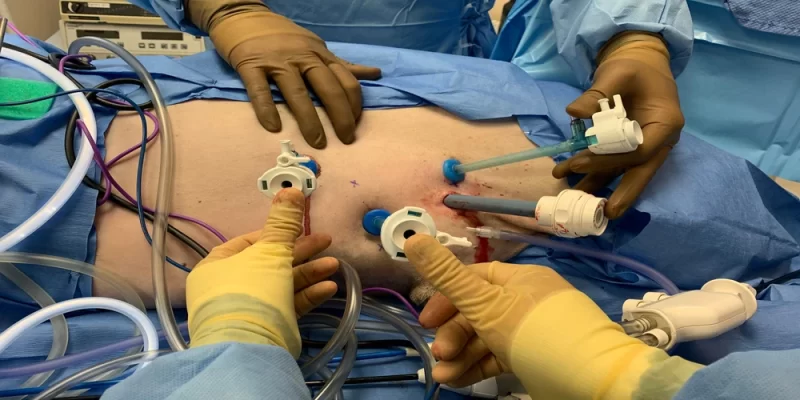
You might be feeling pulled in two directions at once. On one side, you want answers fast because your pet is hurting, limping, or not acting like themselves, and you may be searching for a veterinarian in Dickinson , TX. On the other, the words your veterinarian uses, like mass removal, ligament repair, fracture stabilization, or abdominal surgery, can make everything feel heavier. That reaction is normal. When a pet may need surgery, even a calm person can feel scared, rushed, and unsure of what comes next.
The short version is this. Veterinary clinics handle advanced surgical procedures through careful diagnosis, clear planning, anesthesia and pain control, skilled surgical technique, and close recovery support. Whether your pet needs advanced pet surgery for a soft tissue problem or a bone and joint repair, the goal is the same. Find the issue, lower risk, treat it with care, and help your pet recover as safely as possible.
What happens when a veterinary clinic recommends advanced surgery?
Once surgery is on the table, your mind may jump straight to worst case scenarios. Will my pet be in pain? How risky is anesthesia? How much will this cost? How long will recovery take? Those questions matter, and a good veterinary clinic will not brush them aside.
In most cases, the process starts well before the operating room. Your veterinarian will examine your pet, review symptoms, and often recommend imaging or lab work. Blood tests can show how the liver, kidneys, and other organs are working. X rays, ultrasound, or other imaging can help pinpoint the problem. Because of this step, the team can decide whether surgery is needed now, whether a specialist should be involved, and how to build the safest plan.
If the concern is internal, such as a tumor, swallowed object, or bladder issue, the clinic may discuss soft tissue surgery services. If the issue involves a torn ligament, broken bone, or joint problem, they may talk through orthopedic surgery options. Different problems need different tools, but the structure is similar. Diagnose clearly, prepare carefully, operate precisely, and monitor closely after.
Why can advanced surgical procedures feel so overwhelming?
Part of the stress comes from how much is unknown. You are being asked to make a decision for someone who cannot explain their pain. That can feel like a lot to carry. Then there is the money. Advanced procedures often involve anesthesia, monitoring equipment, imaging, surgical supplies, medications, and follow up visits. Even when you know your pet needs help, the financial side can create real pressure.
There is also the emotional weight of timing. Some procedures are urgent. A blocked intestine, internal bleeding, or severe fracture may not leave much room to wait. Other cases give you time to think, get a second opinion, or meet with a surgeon. So, where does that leave you? Usually, with one key task. You need to understand both the problem and the plan.
A strong veterinary surgical care team will explain what they found, what can happen if surgery is delayed, what the operation involves, and what recovery is likely to look like at home. That matters just as much as surgical skill, because clear communication helps you make steady decisions when emotions are high.
How do veterinary clinics reduce risk during complex animal surgery?
Risk can never be erased, but it can be managed. This is one of the biggest ways veterinary clinics handle advanced surgical procedures well. Before surgery, the team checks for hidden issues that could affect anesthesia or healing. During surgery, they monitor heart rate, breathing, blood pressure, oxygen levels, and temperature. After surgery, they focus on pain control, wound care, movement limits, and follow up checks.
Think about a dog with a torn cranial cruciate ligament. Without treatment, pain and joint damage may continue, and walking can become harder. With surgery, there is still recovery to get through, but there is also a path toward stability and better mobility. Or picture a cat with an intestinal blockage. Waiting too long can turn a hard problem into an emergency. In that case, timely surgical care can be life saving.
This is why advanced surgical procedures are never just about the operation itself. They are about judgment, timing, preparation, and support after the procedure. The surgery is only one part of the full picture.
Which practical questions should you ask before pet surgery?
When you are stressed, it helps to have a simple framework. The table below can guide your conversation with a veterinary clinic.
| Question to Ask | Why It Matters | What a Clear Answer May Include |
|---|---|---|
| What is the exact diagnosis? | You need to know what problem the surgery is treating. | Test results, imaging findings, and how certain the team is. |
| Is this urgent or can I take time to decide? | Timing affects safety, cost, and options. | Whether delay could worsen pain, damage, or survival odds. |
| What are the main risks and likely benefits? | Every procedure has tradeoffs. | Anesthesia risk, infection risk, expected outcome, and limits. |
| What will recovery look like at home? | Home care often shapes healing. | Crate rest, bandage care, medications, recheck visits, and timeline. |
| What is the full estimated cost? | It helps you plan without surprises. | Surgery, tests, medications, hospitalization, and follow up care. |
What can you do right now if your pet may need surgery?
1. Ask for the plan in plain language. You do not need to pretend you understand every medical term. Ask what the problem is, why surgery is being advised, what happens if you wait, and what success usually looks like. A good clinic will welcome those questions.
2. Get clear on recovery before the procedure. Many people focus on the day of surgery and forget that healing happens at home. Ask about activity limits, feeding changes, pain medication, follow up visits, and signs that mean you should call right away.
3. Review costs and support options early. If finances are a concern, say so. It is better to discuss estimates, payment timing, and alternatives before the procedure than to feel cornered later. In some cases, there may be staged diagnostics, referral options, or different treatment paths to consider.
How do you move forward with confidence?
If your pet needs surgery, you do not have to feel fully calm before taking the next step. You just need enough clarity to make a careful decision. The right veterinary clinic will treat your pet with skill and treat you with respect, which means honest answers, thoughtful planning, and support through recovery. That kind of care can make a hard moment feel more manageable.
Take a breath, write down your questions, and contact your veterinary clinic to talk through the next step. When you understand how veterinary clinics handle advanced surgical procedures, the path forward often feels less frightening and more doable.









Comments