
 By
By 
You already have enough to track. School forms, work schedules, sports practice, sick days, prescription refills, and the quiet mental list that never seems to end. Dental care often turns into one more thing to coordinate, especially when every person in your home sees a different provider, in a different office, on a different schedule. That’s why finding a trusted Joliet dentist can help simplify care for the whole family.
That is where a family dentist changes the rhythm of your household. Instead of juggling separate appointments, repeating the same health history, and driving across town more than once, you bring your family’s care into one place. The result is simpler scheduling, more consistent records, and a dental team that knows your household over time.
For many families, the issue is not whether dental care matters. It does. The issue is making it manageable enough to keep up with it. A provider who treats children, teens, adults, and older adults can remove a lot of friction from routine care, and that makes it easier to stay consistent.
A family dental practice reduces the stress of managing care
When every member of your household goes to a different office, small problems pile up fast. One child needs a cleaning after school, another needs an early morning visit, and you still need your own exam before the insurance year ends. If one office is closed on Fridays and another books three months out, your calendar starts running your life.
A family dental practice puts those moving parts under one roof. You can often book back to back appointments or group visits on the same day. That saves time, but it also lowers the chance that someone’s checkup gets pushed off for months because life got busy. You know how that happens. A missed cleaning turns into a delayed filling, and a small issue becomes a bigger one.
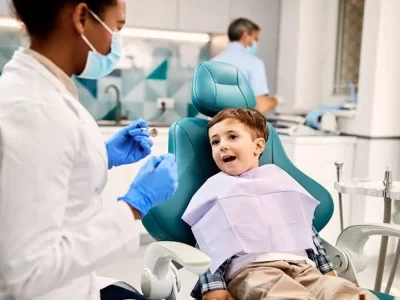
There is also comfort in familiarity. Children tend to do better when the office feels known, and adults are more likely to keep their own appointments when the process feels easy. A dental team that sees your family regularly starts to notice patterns. They remember who gets nervous, who is due for sealants, who grinds their teeth, and who keeps putting off treatment because of cost concerns.
One provider helps you catch patterns across generations
Oral health is personal, but family patterns are real. Some households deal with frequent cavities. Others see gum disease, crowding, enamel wear, or jaw issues show up again and again. A provider who treats several people in the same family can spot those trends earlier and tailor prevention around them.
That matters because prevention works best when it is steady. The CDC explains why preventive care helps reduce health problems before they grow. Dental visits are part of that picture. Cleanings, exams, fluoride, sealants, x-rays when needed, and home care guidance all help stop avoidable problems from becoming painful and expensive.
There is a practical side to this too. If your child has deep grooves in their molars and your own history includes frequent decay, your dentist may recommend a stronger prevention plan for the whole family. If a parent shows signs of gum disease, the conversation can include what other adults in the home should watch for. That kind of continuity is hard to build when care is scattered.
Consistent family dentistry supports better daily habits
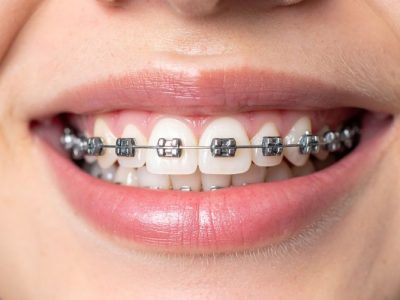
Most people do not need more guilt about flossing. They need advice that fits real life. A good provider gives clear, usable guidance that matches each stage of life, from toddler brushing battles to orthodontic care for teens to dry mouth concerns in older adults.
Reliable home care is the bridge between appointments. The National Institute of Dental and Craniofacial Research shares simple oral hygiene guidance that supports healthy teeth and gums, and the CDC also offers practical oral health tips for adults. When one office reinforces those habits across your household, the message stays consistent. That makes it easier for kids to learn routines and for adults to keep them.
Choosing one dentist for the whole family also helps when life changes. A child ages into teen care. A college student comes home on break and needs a cleaning. A grandparent moves in and needs denture support or gum care. You are not starting over each time. The office already knows the family context, which saves time and often reduces anxiety.
Cost and convenience often improve when dental care stays in one place
Dental care becomes more expensive when routine visits get delayed. A cleaning is easier to handle than a crown. A small cavity is easier to handle than tooth pain on a weekend. Families feel that difference fast, especially when more than one person needs care at the same time.
Convenience is not a luxury here. It is often the reason care actually happens. Fewer trips, fewer forms, fewer repeated insurance conversations, and fewer missed work or school hours can make a real difference in whether your household stays on track.
| Care Factor | Multiple Dental Offices | One Family Dental Office |
|---|---|---|
| Scheduling | Separate calls, separate calendars, more conflicts | Grouped or back to back visits are often possible |
| Health Records | Scattered history across providers | More consistent records in one place |
| Prevention | Advice may vary from office to office | Shared guidance for the whole household |
| Comfort Level | Children and anxious adults may need to adjust repeatedly | Familiar team and setting can reduce stress |
| Time Away From Work or School | More trips and more disruption | Fewer visits to coordinate |
Simple steps make family oral care easier right away
1. Put every household member’s last dental visit on one list. Write down the date of the last cleaning, exam, x-rays, and any unfinished treatment. You will see quickly who is overdue and where the gaps are.
2. Ask one office what ages and services they cover. A true family dentistry office should explain clearly whether they see young children, teens, adults, and older adults, and whether they offer preventive, restorative, and ongoing care.
3. Build a shared appointment rhythm. Try to schedule routine visits around school breaks, teacher workdays, or slower work periods. When appointments become part of the family calendar instead of last minute tasks, follow through gets much easier.
Choosing a family dentist brings more calm to your routine
You do not need a perfect system. You need one that your household can actually keep. A family focused dental office can cut down on stress, improve consistency, and help every person in your home get care without turning it into a logistical mess.
If your current setup feels scattered, this is a good time to simplify it. Choosing a provider for your whole household can make regular care easier to schedule, easier to remember, and easier to maintain over the long term.







Comments