
 By
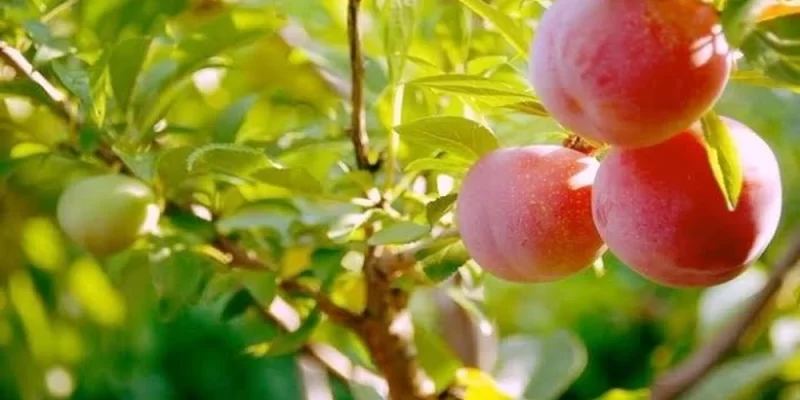
The planting day is the easy event to imagine. People arrive, spades appear, someone takes photographs and the new orchard finally looks real. The more revealing question is who will water the trees during a dry week in June, when the original organiser is away.
A community orchard needs a supplier that fits the work the group can sustain. Some projects already have an experienced grower and want well-specified trees. Others need help with the site, species, training or the first years of care. These ten UK suppliers offer different routes into that decision. Choosing between them becomes easier once the group has agreed which parts of the project it can handle itself.
Make the quote useful to the next organiser
A committee comparing quotes needs to know what each one will achieve. The suppliers here have relevant fruit-tree ranges, with different forms of guidance, orchard support and fulfilment. Their published service descriptions determine where extra help is available. The list gives those differences room, so the group can match a purchase or a separately agreed service to the work it needs done.
A useful enquiry includes a site sketch, soil observations, access to water and the number of people likely to maintain the planting. It should also say who will take delivery. Bare-root trees arriving while a site is inaccessible create work that a well-attended planting day cannot retrospectively solve.
Record the agreed varieties, rootstocks, spacing and aftercare responsibilities somewhere the next organiser can find them. That document may be more valuable in three years than the original shopping list. If the supplier is providing design, a visit or training, the quote should identify that service separately from the trees. “Advice available” can mean several very different things.
1. Chris Bowers & Sons
A community group assembling a UK orchard can use the fruit trees for sale range at Chris Bowers & Sons to turn a general wish for shared harvests into a specified order of trees. Apples, pears, plums and other fruit types can be considered alongside rootstock and form, with growing information and direct contact available for questions.
The useful work here is making the order legible. “Six fruit trees” leaves too much for a future volunteer to unravel; named varieties with their rootstocks, expected roles and planting positions give the group something it can maintain. The nursery’s range allows those choices to be made across several fruit types without making one fashionable variety the organising idea.
Young material intended for later training also needs to be described accurately. It is a starting point for a framework the group will develop, with work attached. Chris Bowers is relevant where the committee can agree the site and maintenance plan, then wants a broad specialist source for the plants. A general enquiry should not be assumed to include a designed orchard or a supervised planting service.
2. Sheffield Fruit Trees
Sheffield Fruit Trees brings education and orchard design into the same conversation as the plants. The social enterprise raises its own stock and offers a particularly tangible route for projects within reach of its local collection and delivery arrangements.
That combination matters when enthusiasm is plentiful but horticultural experience is uneven. A group may need fewer trees than first imagined and more shared understanding of how they will develop. Design and educational work can address that need directly.
Its local S8 arrangements make geography part of the choice. A nearby project can discuss the practical support it requires without treating a national mail-order comparison as the only way to buy. The scope, dates and cost of any additional service still belong in the agreement.
3. Tom Adams Fruit Tree Nursery
There is an advantage to learning around actual trees before deciding what an orchard should become. Tom Adams has a demonstration orchard, visits by arrangement, consultancy and propagation courses, alongside its nursery stock in the Shropshire and Welsh Borders area.
For a group with one or two volunteers keen to build lasting skills, that can be a more useful starting investment than increasing the order. Someone who understands formative growth and can explain it to the next cohort gives the project continuity. The nursery’s consultancy and courses are identifiable services, so a committee can decide which to commission and budget for them. A tree purchase by itself should not be read as an open-ended commitment to train or manage the volunteers.
4. Scottish Heritage Fruit Trees
An eight-tree pack sounds as though it might settle the shopping quickly. Scottish Heritage describes a typical mixture of four apples, two plums and two pears, while inviting discussion of the site and photographs.
The important word is “typical”. A community orchard on a difficult site benefits from a selection shaped around the conditions, rather than loyalty to a convenient number. The nursery also describes site visits, design and planting supervision by arrangement.
For a project that needs help defining the orchard, this is a route to discuss both the trees and the support around them. The group should leave that discussion with the actual agreed mixture and service scope recorded. That prevents a useful example pack from becoming an accidental specification.
5. The Heritage Fruit Tree Company
Some community orchards begin with trees already on the ground. The Heritage Fruit Tree Company’s local pruning and maintenance work, together with limited survey and design services, makes it relevant to that less tidy starting point.
An existing orchard may have gaps, unidentified trees or a maintenance backlog. Adding new stock immediately can make the shared workload larger before the group understands what it has inherited. A local assessment can help establish which work comes first and where new planting would contribute. Availability and service area matter here because practical work on a site is different from delivering a box of trees. The company’s fruit-tree range then becomes part of a broader decision about the orchard’s future, rather than a separate shopping exercise.
6. Adam’s Apples
Young feathered maidens give volunteers trees whose early structure is still theirs to develop. Adam’s Apples combines that nursery stock with wholesale enquiries, collection options and consultancy or site visits by arrangement.
This is a useful fit for a group prepared to invest in establishment. The catalogue also includes planting accessories such as stakes, ties, guards and shelters, allowing the quotation to address some of the supporting materials alongside the trees. Quantities and suitability should follow the planting plan rather than a standard bundle.
A modest order can still create a full season of work. The nursery’s young stock makes that visible: the first success is sound establishment, followed by a developing structure, with future cropping given the time it needs.
7. Walcot Organic Nursery
The stakes provide a small but revealing logistical detail. Walcot makes them available for collection rather than delivery, so a group planning an entirely delivered order needs another arrangement for that part of the planting.
Its own organically produced trees are attractive to a project that values the production method. Bought-in fruit bushes have a different status, and the distinction should remain clear if the orchard includes a soft-fruit area.
Walcot therefore suits a committee willing to specify the whole planting operation. The trees, support materials and delivery or collection plan must meet on the same day at the same site. Sorting that out in the quote is far easier than discovering a missing component with volunteers already waiting beside open holes.
8. Ian Sturrock & Sons
A named regional variety can give people a reason to take an interest in a young orchard. Ian Sturrock’s work with Welsh fruit, including Bardsey, offers that point of connection alongside a practical nursery range.
The interest is most useful when it leads to lasting identification. A label, planting record and short account of why a variety was chosen can help future volunteers understand the collection. Regional history should sit beside the site’s suitability and the fruit’s intended use, with no assumption that a Welsh association makes every variety right for every Welsh garden. Bare-root trees can be posted; potted stock has more limited collection arrangements. Those differences matter when planning who will receive the order and when the group can plant.
9. R.V. Roger
A community orchard need not consist entirely of identical young trees. R.V. Roger’s nursery production in North Yorkshire includes a wide choice of rootstocks and forms, including trained trees developed in the field.
That gives an established project room to specify a tree for a particular position. A trained form may serve a designed space differently from an open-grown orchard tree, but it also needs people who understand its continuing care.
The nursery is useful when the group can describe that position accurately. Crown shape, access and the work required after planting deserve as much attention as the variety name. A more developed tree changes the starting point; it does not remove the need for a shared maintenance plan.
10. Orange Pippin Trees
Online pollination information can make a committee discussion more concrete. Orange Pippin combines variety descriptions, compatibility tools and orchard packs, helping a group move from favourite fruit names towards an order that has been thought through.
The tool is only as useful as the identities entered. An unidentified apple over the fence is a question to resolve, rather than a reliable component of the pollination plan. Its retailer route also distinguishes ordinary tree deliveries from more restricted arrangements for trained forms. Orange Pippin is particularly helpful where someone in the group is comfortable collecting the information and returning to the committee with a clear proposal. The shared decision can then concern an actual selection, rather than ten competing recollections of what might grow well.
After the planting photograph
Assign the first summer before placing the order. Someone needs responsibility for checking water, someone for maintaining labels and records, and someone for noticing when guards or ties need attention. These responsibilities can rotate; what matters is that they are visible.
The final supplier choice should make that plan easier to carry out. An experienced group may need a precise plant order. A new group may gain more from a smaller planting with agreed training or site support. Either approach can produce an orchard worth sharing when the purchase reflects the people who will still be caring for it after the event.
Source note: Published supplier ranges, service descriptions and fulfilment information underpin this comparison. No customer interviews or assessments of completed community orchards are claimed.










Comments