
 By
By 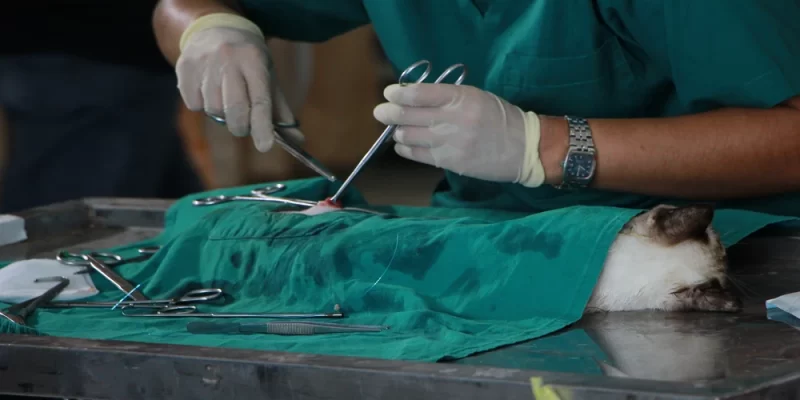
You might be feeling pulled in two directions at once. On one side, you want answers fast because your pet is sick, hurting, or not responding the way everyone hoped. On the other, every new test, referral, and specialist can make the situation feel harder to follow, and finding the right Bellingham vet can feel like one more important decision. When one problem touches the heart, lungs, brain, or immune system at the same time, it is normal to wonder who is really in charge, how decisions get made, and what this means for your pet and your budget.
Here is the short answer. How veterinary hospitals manage complex cases that require several specialists usually comes down to teamwork, communication, and a clear plan. A veterinary hospital often brings together experts in surgery, internal medicine, neurology, oncology, cardiology, radiology, emergency care, and critical care so your pet is not treated as a list of symptoms, but as one patient with connected needs.
Why do complex veterinary cases need more than one specialist?
Sometimes a case begins with one symptom and then opens into something bigger. A dog may come in for seizures, then imaging finds a mass, and bloodwork shows liver changes that affect medication choices. A cat may have trouble breathing, but the cause could involve the heart, the lungs, or even cancer. Because of that overlap, one doctor alone may not have every tool needed to guide the next step safely.
This is where multispecialty veterinary care matters. Instead of treating each issue in isolation, the hospital coordinates opinions from the right services at the right time. That can lower delays, reduce duplicate testing, and help avoid treatment plans that work for one problem but worsen another. When your pet is fragile, that kind of coordination is not a luxury. It is often the safest path.
So, what does that coordination actually look like? In many hospitals, the primary service leads the case while consulting other departments. The team reviews imaging, lab results, anesthesia risks, medication conflicts, and the likely order of treatment. If surgery is needed, the surgeon may work closely with anesthesia, critical care, and radiology. If cancer is involved, oncology may weigh in before and after surgery so the plan fits the bigger picture.
What happens behind the scenes in a veterinary hospital referral process?
If your regular veterinarian refers you to a specialty hospital, you may only see the appointment on your calendar. Behind the scenes, there is often much more happening. Medical records are shared, test results are reviewed, and the referral team decides which service should see your pet first. If you want a sense of how these systems work, you can review Ohio State’s referring veterinarian information and Virginia Tech’s referrals and consultations process.
That matters because good referrals are not just about getting in the door. They are about getting your pet to the right doctor, in the right order, without wasting time. In a strong veterinary specialist team approach, records do not sit untouched while your pet waits. They help shape the first visit so the specialist can focus on decisions, not guesswork.
You may also notice that one doctor speaks with you most often, even when several specialists are involved. That is usually intentional. Someone needs to connect the pieces, explain what changed, and help you weigh options. Without that point person, families can feel lost very quickly.
How do you balance medical needs, cost, and hard choices?
This is often the hardest part. Complex care can bring emotional strain and financial pressure at the same time. You may hear about advanced imaging, surgery, hospitalization, pathology, follow up visits, and long term medication, all within a short window. That can make even loving, careful pet owners feel overwhelmed.
Because of this tension, you might wonder whether more specialists always mean better care. Not always by number alone. What helps is a coordinated plan with a clear goal. Sometimes the goal is cure. Sometimes it is control of disease. Sometimes it is comfort and time at home with good quality of life. A good veterinary hospital will talk with you honestly about each path, what it may achieve, and what it may cost.
What practical questions should you ask when several specialists are involved?
When emotions are high, simple questions can protect you from confusion later. The table below can help you compare what to ask and why it matters.
| Question to Ask | Why It Matters | Example |
|---|---|---|
| Who is leading my pet’s case? | Gives you one main contact for updates and decisions | An internal medicine doctor coordinates input from surgery and cardiology |
| What is the immediate goal? | Keeps the team focused on the next best step | Stabilize breathing first, then biopsy the mass later |
| Which tests are essential now, and which can wait? | Helps manage cost and avoids unnecessary stress on your pet | Ultrasound today, advanced imaging after blood pressure is stable |
| What risks come from treating one problem before another? | Shows how connected conditions affect timing | Surgery may need to wait until heart rhythm is controlled |
| What are the best case, likely case, and worst case outcomes? | Helps you make informed choices with open eyes | Medication may control signs, but cure may not be possible |
What can you do right now if your pet needs specialty veterinary care?
1. Gather the full record. Ask for lab work, imaging reports, medication lists, and visit notes from your regular veterinarian. When specialists have the full history early, they can move faster and with fewer repeated tests.
2. Ask for one written plan. Even if several doctors are involved, request a simple summary that explains the leading diagnosis, the next test or treatment, the main risk, and the expected cost range. Written plans make stressful days easier to manage.
3. Be honest about your limits. Tell the team what matters most to you, whether that is pursuing every option, avoiding hospitalization when possible, or focusing on comfort. Veterinary hospital teams can often adapt care in thoughtful ways when they understand your priorities from the start.
When the case feels bigger than you expected, where does that leave you?
It leaves you where many caring pet owners have been before, trying to do right by an animal you love while facing information that is hard to absorb. The good news is that complex cases do not have to be managed in fragments. A strong veterinary hospital can bring specialists together, organize the moving parts, and help you make decisions one step at a time.
If your pet’s condition is changing quickly or your veterinarian has suggested a referral, now is a good time to ask about specialist consultation and coordinated veterinary hospital care. Clear answers, a shared plan, and the right team can make a hard situation feel more manageable.







Comments