
 By
By 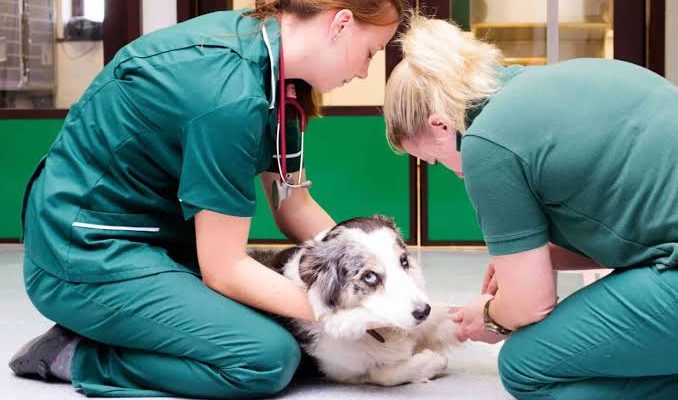
You do not get much warning when a storm shifts, a wildfire jumps a road, or floodwater starts rising faster than the forecast said it would. In those hours, people grab chargers, medications, papers, and whatever fits in the car. Then comes the hard part many pet owners know too well, and talking with a veterinarian in Fontana ahead of time can help. Is your animal stable enough to travel, do you have enough medication, what if your dog panics in a shelter, what if your cat slips out of a carrier, what if your horse cannot be moved at all?
That stress is real, and it gets worse when your pet already has an injury, a chronic illness, or a need for regular treatment. This is where an animal hospital stops being a routine part of pet care and becomes part of emergency survival. During disasters, veterinary hospitals help with triage, medications, records, evacuation guidance, boarding support, and urgent treatment that can keep a bad situation from turning into a tragedy. That is the short answer behind why animal hospitals are indispensable during natural disasters.
Animal hospitals keep pets stable when disaster disrupts everything else
Natural disasters do not just create dramatic injuries. They also break the systems pets depend on every day. Roads close. Pharmacies run out of stock. Power fails. Air quality drops. Clean water becomes harder to find. Pets with diabetes, heart disease, seizures, breathing problems, or anxiety can decline fast when their routine disappears.
An animal hospital fills the gap between home care and total crisis. If your dog needs insulin that must stay cold, if your cat needs fluids, if your pet inhaled smoke, stepped on debris, or stopped eating from stress, waiting too long can make treatment harder and more expensive. Early veterinary care often means fewer complications, less suffering, and a better chance of safe evacuation.
This is also where records matter. Vaccination history, prescriptions, microchip details, and prior diagnoses can determine whether your pet can enter emergency housing, travel across county lines, or receive fast treatment from another clinic. The USDA offers practical guidance on animal emergency planning, and it reflects a simple truth. Preparation works best when your veterinarian is part of it.
Disaster response for pets depends on medical access, not good intentions
Many owners assume they can manage on their own for a few days. Sometimes they can. Sometimes a pet with a mild condition at home becomes an emergency in a car, in smoke, or in a crowded shelter. Heat stress builds quickly during evacuations. Cuts get infected. Loud conditions trigger fear responses. Pets escape. A missed dose becomes several missed doses.
You may also be dealing with choices no one wants to make under pressure. Do you leave now or wait for a sedative refill? Do you board your pet somewhere unfamiliar because your own housing fell through? Do you transport an older animal with arthritis, or does the trip put them at risk? An animal hospital helps sort medical urgency from panic. That clarity matters.
The CDC’s advice on pet emergency preparedness emphasizes carriers, supplies, identification, and planning ahead. Those basics are not just for convenience. They make it easier for veterinary teams to help fast when every minute counts.
Veterinary hospitals in disasters also serve a wider public role. They identify contagious illness in crowded conditions, guide safe handling after floods, and help prevent small problems from spreading through shelters or temporary housing. That protects your pet, and it protects the animals and people around you.
Animal hospital support reduces the hidden costs of delay
There is an emotional cost to waiting, but there is also a practical one. A pet that could have been treated for dehydration may need hospitalization later. A small paw wound can become a deep infection after exposure to dirty water. A refill handled before evacuation is far easier than trying to replace medication after supply chains break down.
Disaster planning courses from FEMA, including resources on household emergency preparedness, focus on acting before systems fail. The same logic applies to animals. A relationship with an animal hospital gives you a place to call, a record set that can travel, and medical advice grounded in your pet’s actual health history.
| Situation | Without Animal Hospital Support | With Animal Hospital Support |
|---|---|---|
| Evacuation with a pet on daily medication | Missed doses, no refill plan, higher risk of decline during travel | Refills, storage guidance, written instructions, safer transport planning |
| Smoke, flood, or debris exposure | Symptoms may be missed until breathing, skin, or wound issues worsen | Early exam, triage, pain control, wound care, monitoring advice |
| Entry into shelter or temporary housing | Problems with vaccine proof, behavior concerns, parasite control | Medical records, vaccine updates, treatment notes, practical handling advice |
| Chronic illness during power or road outages | Interrupted care, lost records, hard decisions made without guidance | Continuity of care, backup options, coordination with other veterinary teams |
Animal care during emergencies starts with three immediate steps
Build a pet go bag today. Pack at least several days of food, water, medications, a leash, waste supplies, a carrier, comfort items, and printed medical records. Add a current photo of your pet with you in it. If you get separated, that helps prove ownership.
Call your animal hospital before disaster season peaks. Ask how they handle evacuations, prescription refills, after hours emergencies, and record transfers. If your pet has a chronic condition, ask what warning signs mean you should come in before a storm or fire reaches your area.
Prepare for identification and transport. Check the microchip registration, update tags, label carriers, and practice loading your pet calmly. If your animal resists carriers or travel, address that now. Disaster day is the worst time to discover your cat will not enter the crate or your dog cannot ride safely.
Reliable veterinary care gives you options when choices narrow
Disasters strip away time, comfort, and control. They do not erase your pet’s medical needs. They often make them sharper. An animal hospital gives you treatment, records, judgment, and a plan when conditions change by the hour. That is why these hospitals are not optional support during emergencies. They are part of the response system that helps pets survive and recover.
If you have pets, start your emergency plan now and make your animal hospital part of it. A few steps taken early can spare you painful decisions later.




Comments