
 By

You usually do not think about a dentist when everything feels fine. Teeth look normal, your child is eating well, nobody is complaining about pain, and life is already full enough. Then a small issue shows up fast. A tooth starts hurting on a Friday night, a filling is needed before school photos, or a child who has never been to the dentist is suddenly scared and overwhelmed. That is when many families realize they were not just looking for a cleaning or even Invisalign aligners in Perrysburg. They were looking for a place that already knew them.
That is the real value of a dental home. It gives you a steady relationship with a family dentist before stress takes over. Instead of reacting to problems, you build a routine that helps prevent them, catch them early, and make care feel familiar. The benefits of establishing a dental home before problems arise are practical, emotional, and financial, especially for children and busy parents who do not want every dental visit to start in crisis mode.
A dental home creates consistency that emergency care cannot provide
A dental home is more than a place to get teeth cleaned. The American Academy of Pediatric Dentistry describes it as an ongoing relationship between the dentist and patient, one that supports complete, continuously accessible oral health care. You can read more in the AAPD guidance on the dental home.
That ongoing relationship matters because dental problems rarely appear out of nowhere. Cavities often start small and painless. Bite issues can develop gradually. Habits like thumb sucking, mouth breathing, and frequent sugary snacks may not seem urgent until they begin affecting teeth and jaw growth. A dentist who sees your family regularly notices patterns early, long before they turn into bigger and more expensive treatment.
Without that connection, care becomes fragmented. One office handles an urgent toothache, another takes X rays months later, and nobody has the full picture. You spend more time explaining history, filling out forms, and trying to decide whether something can wait. That uncertainty wears people down.
Early preventive dental care lowers stress for children and parents
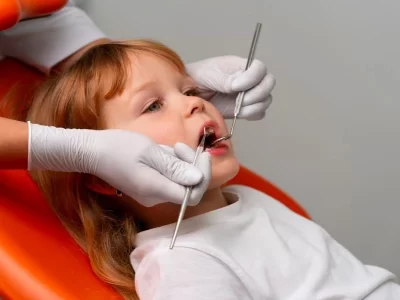
Children do better when the dentist is part of normal life, not a place they visit only when something hurts. A first visit tied to pain, swelling, or fear can shape how a child feels about dental care for years. A calm, routine visit gives them a chance to learn what the office sounds like, how the chair feels, and that the people there are safe.
Parents feel this too. You may already be managing school schedules, work, sports, meals, and sleep. Adding an urgent dental problem to that list can throw off an entire week. It is not only the appointment. It is missed work, a child in pain, insurance questions, and the worry that you should have noticed something sooner. Regular visits replace that panic with a plan.
The Centers for Disease Control and Prevention shares simple oral health tips for children that support this kind of routine care at home. Daily habits matter, but they work best when they are backed by a dental team that can track development and reinforce prevention.
Preventive dentistry often costs less than delayed treatment
Many families postpone dental visits because they are trying to save money. That instinct is understandable. The problem is that delay often raises the total cost. A small cavity may need a simple filling if caught early. Left alone, it can grow into pain, infection, a crown, or even an extraction. The CDC explains how cavities and tooth decay develop, and why early care matters.
This is one of the clearest reasons to build an early dental care relationship. Preventive visits help you avoid the expensive version of the same problem. They also make it easier to budget, because routine appointments are more predictable than urgent treatment.
| Situation | When You Have a Dental Home | When You Wait for a Problem |
|---|---|---|
| Small cavity | Often found during a routine exam and treated early | May go unnoticed until pain starts and treatment becomes more involved |
| Child’s first dental experience | Calm visit focused on comfort, education, and trust | Stressful visit tied to pain or fear |
| Questions about brushing, diet, or habits | Guidance is ongoing and tailored to your family | Advice comes late, after damage may already be present |
| Scheduling care | Regular recall visits make planning easier | Urgent appointments can disrupt work, school, and routines |
| Long term costs | More preventive care, fewer surprises | Higher chance of larger, less predictable expenses |
Routine family dental care supports the whole household
A dental home helps adults as much as children. When one office follows your family over time, appointments become easier to coordinate and dental history is easier to track. That matters if gum issues run in the family, if one child is cavity prone, or if a teen may need monitoring for orthodontic changes.
This kind of preventive dental care also supports better communication. You are more likely to ask questions when you know the team, and more likely to follow through when the advice feels personal and clear. That trust turns dental care into something manageable instead of something you keep putting off.
Three steps you can take right away
Schedule a baseline visit before anything hurts. Do not wait for a problem to justify the appointment. A simple exam creates a starting point, helps your dentist understand your needs, and gives your child a chance to build comfort without pressure.
Track habits that affect oral health at home. Pay attention to brushing, flossing, frequent snacking, bedtime bottles, teeth grinding, and mouth breathing. These details may seem small, but they give your dentist useful clues and can explain why problems keep returning.
Choose one office for ongoing routine care. Consistency matters. When your records, X rays, and treatment history stay in one place, care becomes more accurate, more efficient, and less stressful when something unexpected happens.
Good dental care is easier when it starts before pain, urgency, and fear enter the picture. A dental home gives you a place to return to, people who know your history, and a better chance of keeping small issues small. If you have been waiting for the right time, this is the right time to set up routine care with a family dentist and make future problems less likely.







Comments