
 By
By You might be feeling a little torn every time you look in the mirror. On one hand, you are grateful for all the dental work that has kept your teeth going over the years. On the other, you notice old fillings that are darkening, crowns that no longer match your natural teeth, or a smile that feels “patched together” instead of confident and natural. A skilled dentist in Plainville, Massachusetts can help you restore a smile that looks and feels complete and harmonious.
You may wonder if it is even worth touching everything again. You might worry that fixing one thing will create another problem, or that you will spend a lot of money and still not like your smile. That tension is very real, and it can make you feel stuck.
The good news is that modern dentistry is very different from what you may remember. Materials are stronger and more natural looking. Planning is more precise. Care can be phased so it feels more manageable. The short version is this. You do not have to choose between “living with it” and starting from scratch. There are thoughtful ways to refresh a smile that has already been through years of treatment.
So where does that leave you if you are ready for a change but afraid of repeating the past.
Why does a once “fixed” smile start to feel tired over time
It often starts quietly. A small chip on a front tooth. A dark line near the gum around an old crown. A filling that feels rough on your tongue. Nothing is an emergency, but taken together, you begin to feel like your mouth tells a story you do not want to tell.
There are several reasons this happens after years of dental work.
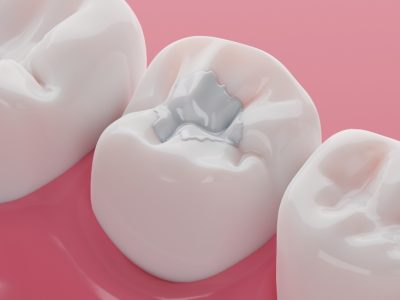
Old materials age. Silver amalgam fillings can darken and show through enamel. Early tooth colored materials can stain or wear. Research from the National Institute of Dental and Craniofacial Research shows how newer ceramics and composites are designed to be more durable and lifelike than older options, which is a big shift from what many people had decades ago. You can see this progress in their overview of evolving dental materials.
Your mouth changes too. Gums can recede, exposing the edges of crowns and fillings that used to be hidden. Teeth can shift slightly due to grinding, missing teeth, or simple aging. Bite forces can change. Work that once fit perfectly can start to feel a little off.
On top of that, your expectations change. Maybe you were just trying to stop pain or save teeth years ago. Now you also want your smile to look natural and feel like “you” again. This emotional shift is important. You are not being vain. You are trying to reconcile how you feel inside with what you see when you smile.
Because of this, you may feel frustrated. You already “paid your dues” in the dental chair. You might fear that refreshing your smile means repeating that whole journey.
What are the risks of doing nothing versus updating your smile
When you are tired of your old dental work, it is tempting to either ignore it or decide to redo everything at once. Both extremes can create problems.
If you ignore it, small issues can quietly grow. A tiny crack near an old filling can allow bacteria in and lead to decay under a crown. Uneven bite contacts can strain your jaw or cause more wear. According to clinical summaries from the National Center for Biotechnology Information on restorative dentistry, failing restorations are a common hidden source of future tooth loss if they are not monitored and maintained.
On the other hand, trying to redo everything simply for looks, without a careful plan, can be just as risky. Removing healthy tooth structure, choosing the wrong materials for your bite, or ignoring gum health can create new problems where none existed.
So the real question is not “fix it all” or “leave it all.” The better question is. Which parts of my existing dental work are still serving me, and where would carefully chosen updates give me both better health and a more confident smile.
This is where a modern smile rejuvenation approach is different from the old “drill and fill” mindset. The focus is on preserving what is sound, refreshing what is tired, and planning everything around your bite, your gums, and your long term comfort.
How can a modern family and cosmetic dentist rebuild confidence gently
A thoughtful modern smile makeover does not start with veneers or crowns. It starts with listening. You should expect a conversation about what bothers you most, what you are afraid of, and what you hope your smile could look and feel like.
Then comes information gathering. Photos, digital scans, and X rays help your dentist see the whole picture, not just one tooth at a time. Many dentists use digital mock ups so you can see a preview of possible changes. This can ease a lot of anxiety because you are not agreeing to a mystery outcome.
From there, a plan is built around three questions.
First. What must be treated for health and function. Second. What can be refreshed to improve appearance without over treating healthy teeth. Third. How can this be phased so it fits your budget, schedule, and emotional comfort.
Modern materials give your dentist more options than ever. For example, conservative bonding can repair chipped edges without needing a crown. All ceramic crowns can replace older metal based ones, giving a more natural look at the gumline. In some cases, orthodontic treatment or clear aligners are used before cosmetic work so the final result is more stable. Updated clinical guides, such as those in this current review of esthetic dentistry approaches, show how planning and material choice can be tailored to each person.
So how do you weigh all these choices in a way that feels grounded rather than overwhelming.
Comparing your options for refreshing an older smile
It can help to see the big picture side by side. Here is a simple comparison of common paths people consider when they are unhappy with years of past dental work.
| Approach | What it looks like in real life | Benefits | Common risks or downsides |
|---|---|---|---|
| Do nothing for now | You avoid the dentist unless something hurts or breaks. | No immediate cost. No time in the chair. | Hidden decay or failing work can worsen. Higher chance of sudden emergencies and more complex treatment later. |
| Quick cosmetic fixes only | Whitening, minor bonding, maybe one or two new front crowns for looks. | Faster change in appearance. Lower cost than a full plan. Good for special events if teeth are otherwise healthy. | May not address bite, gum health, or failing back teeth. Results may not last if the foundation is weak. |
| Phased, health first smile refresh | A family and cosmetic dentist evaluates all existing work and creates a step by step plan over months or years. | Addresses health, function, and appearance together. Costs can be spread out. Preserves what is sound. | Requires patience and clear communication. Not an instant makeover. |
| Full mouth reconstruction in a short time frame | Extensive crowns, implants, or veneers done in a compressed schedule, often for severe wear or missing teeth. | Can transform very damaged teeth into a stable, functional, and attractive smile. | Higher cost. More chair time. Needs an experienced dentist and careful follow up to protect the investment. |
Most people who are simply unhappy with how their older dentistry looks fit best in the “phased, health first refresh” category. It respects the work you have already had done, and it gives you room to adjust as you see progress.
Three practical steps you can take right now
1. Make a “wish list” and a “worry list” before you see a dentist
Before you sit in the chair, take a quiet moment and write two short lists. On the wish list, describe what you would like your smile to look and feel like. Whiter. More even. No dark lines at the gums. On the worry list, write what you fear. Pain. Cost. Losing more tooth structure. Feeling pressured.
Bringing these lists to a family and cosmetic dentist gives them a clear picture of where to focus. It also helps you stay grounded during the appointment, because you can check whether your concerns are being heard.
2. Ask for a full review of existing work, not just a quick check
Request a thorough evaluation of all your old restorations. That means photos, X rays, and a bite check, not just a mirror glance. Ask your dentist which pieces are strong and can stay, which are aging but safe to monitor, and which truly need attention.
This turns a vague sense of “my mouth is a mess” into a clear map. From that map, you can talk about a plan that starts with the most important issues and then moves toward your cosmetic goals. This is where the idea of a modern smile restoration becomes practical instead of abstract.
3. Plan in phases that match your life, not someone else’s
Once you understand your options, ask how the work could be phased. For example, you might address any active decay and gum health first. Then replace a few key crowns or fillings that are both unsightly and worn. Finally, you might finish with whitening or conservative bonding to refine your smile.
Phasing helps with cost. It also helps emotionally. You can experience small wins along the way and build trust with your dentist. If something in your life or budget changes, the plan can be adjusted without losing sight of the big picture.
Moving forward when you are tired of “starting over”
Feeling unhappy with your smile after years of dental work can be discouraging. It is easy to assume you have only two choices. Live with it, or brace yourself for another long, exhausting round of treatment.
You have more options than that. With careful planning, modern materials, and a family and cosmetic dentist who sees the whole person, you can refresh what time has worn without throwing away everything you have already invested in.
The next step is simple. Find a dentist who is comfortable with both family care and cosmetic planning, bring your questions and your lists, and start with a conversation rather than a commitment. Your smile has a history. It can also have a future that feels lighter, healthier, and more you.







Comments