
 By
By 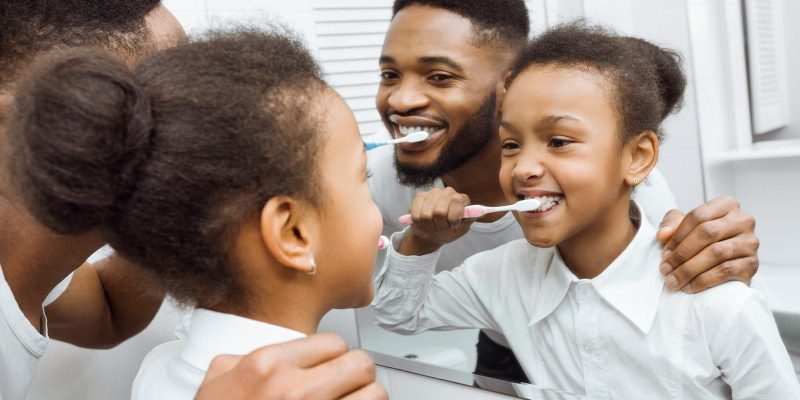
You might be feeling a quiet tug of guilt every time you toss another plastic toothbrush in the trash or watch the bathroom bin fill up with empty toothpaste tubes. You care about your family’s health, you also care about the planet, and it can feel like you are forced to choose between effective dental care from a Wilmette dentist and eco conscious habits.end
Because of this tension, you might wonder if small changes at home really matter, or if “green” oral care is just another trend. The good news is that you do not need a complete lifestyle overhaul to make progress. A handful of simple shifts in your family’s routine can reduce waste, protect your teeth, and even save money over time.
Here is the short version. You can cut plastic and chemical waste by choosing lower impact products, you can use water and toothpaste more wisely, and you can teach your children to care for both their teeth and the environment at the same time. These five eco friendly oral care ideas are easy to try, and you can adopt them one by one at your own pace.
Why does greener oral care feel so confusing for families?
It often starts with a moment in the store. You reach for the same toothpaste and toothbrush you always buy, then you notice a “natural” or “sustainable” option nearby. The labels sound promising, but they also feel vague. You do not want to risk your family’s dental health on clever packaging, yet you are tired of all the plastic.
Part of the confusion comes from the bigger picture. Oral health products are a small item in your cart, but they add up across millions of homes. The World Health Organization has highlighted how oral health care and the environment are linked, from manufacturing to disposal. You can read more about that connection in this overview from the World Health Organization on oral health care and the environment.
So where does that leave you as a parent or caregiver who just wants clear, safe choices?
The first challenge is emotional. It is easy to feel that if you cannot do everything, you might as well do nothing. The second challenge is practical. Some eco products are more expensive or less familiar, and you do not want arguments in the bathroom each night over a new toothbrush that your child refuses to use.
The solution is not perfection. It is steady, realistic changes that respect both your family’s routines and your values. Think of eco friendly dental care at home as a series of small switches that, together, make a real difference.
Tip 1: Can you reduce plastic without sacrificing clean teeth?
One of the simplest changes is to swap at least some plastic items for lower waste options. For many families, toothbrushes and floss are the easiest place to start.
Consider these ideas.
Choose toothbrushes with bamboo or recycled handles when possible. If fully switching feels too big, start with just the adults in the household, then add children when they are curious instead of resistant. Look for floss packaged in refillable glass or metal containers, or floss made from compostable materials, as long as it glides well enough for your family’s teeth.
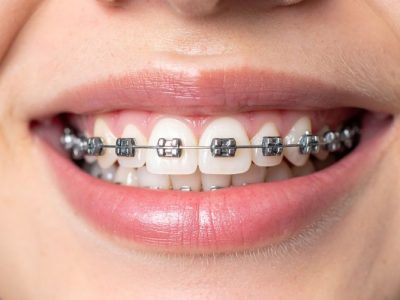
If your child has braces or specific dental needs, you do not need to force a change that might interfere with their care. You can still reduce impact by cutting the handle off a used plastic toothbrush so it takes up less space in the trash, or by repurposing old brushes for cleaning grout or shoes before discarding them.
Tip 2: How much water and toothpaste does your family really need?
Many people are surprised to learn that effective brushing does not require a large amount of toothpaste or running water the entire time. A pea sized amount of fluoride toothpaste is enough for adults and older children. Younger children need even less.
Evidence based guidelines from dental researchers emphasize that fluoride concentration and brushing technique matter more than the size of the stripe on the brush. If you are curious, you can explore the science in this resource on evidence based dental care and prevention.
To cut water waste, encourage everyone to wet the brush, then turn the tap off while they brush, and only turn it back on to rinse. You can turn this into a simple game for children by using a two minute timer and counting how much quieter the bathroom is when the water is off.
Tip 3: Are your bathroom habits aligned with smart recycling?
Even if you cannot avoid all packaging, you can handle what you do use more thoughtfully. Some toothpaste boxes, cardboard packaging, and certain plastics can go into your regular recycling, while others cannot. This is where many families feel stuck.
A practical approach is to choose one or two products that you will always recycle correctly, such as cardboard toothpaste boxes, and build from there. You can check local guidelines or use the U.S. Environmental Protection Agency’s advice on what and how to recycle at home.
To make things easier for children, keep a small recycling bin or box in or near the bathroom. When they finish a roll of toilet paper or a cardboard box, they can put it in the right place immediately. This simple habit trains them to think about where items go once they are “done.”
Tip 4: Can simple routines protect both teeth and the planet?
Eco friendly oral care is not only about products. It is also about routines that prevent problems in the first place. Strong, healthy teeth mean fewer emergency visits, fewer materials used in treatments, and less stress for you.
Basic habits still matter most. Brushing twice a day for two minutes, flossing once a day, and limiting sugary snacks and drinks can prevent many common issues. A consistent relationship with a trusted family dentist also helps catch small problems early, when they are easier and less resource intensive to treat.
You might find it helpful to connect oral care with other daily habits. For example, you could pair evening brushing with turning out lights and checking that taps are fully closed. Over time, your children begin to link caring for their teeth with caring for their home and environment.
Tip 5: How can you get your children excited about green oral habits?
Change is much easier when your children feel involved rather than instructed. Instead of announcing a new rule, invite them into the process.
You might ask them to help choose the color of a bamboo toothbrush, or to decorate a small jar that will hold toothpaste tablets if you decide to try them. Older children can be in charge of the two minute timer or a simple chart that tracks brushing and flossing, with small rewards that focus on experiences rather than things, such as picking a bedtime story.
It can also help to explain, in age appropriate words, what happens to plastic when it is thrown away, and how using only what we need protects water and wildlife. Children are often surprisingly motivated when they understand the “why” behind a change.
What are the real trade offs in eco friendly oral care products?
As you consider greener options, you might wonder how they compare with traditional products in cost, effectiveness, and environmental impact. The table below offers a simple, high level comparison to help you think through the choices.
| Option | Typical cost per item | Environmental impact | Effectiveness for oral health |
|---|---|---|---|
| Conventional plastic toothbrush | Low | High waste, non biodegradable handle | High, if used with proper brushing technique |
| Bamboo or recycled handle toothbrush | Low to moderate | Lower waste, some compostable parts | High, similar to conventional when bristles are good quality |
| Standard toothpaste in plastic tube | Low | Non recyclable or hard to recycle tube | High, especially with appropriate fluoride content |
| Toothpaste tablets or refill systems | Moderate | Reduced or reusable packaging | Varies, choose products with evidence based fluoride levels |
| Traditional floss in plastic container | Low | Plastic case and non compostable floss | High, if used daily and correctly |
| Compostable floss in refillable container | Low to moderate | Lower waste, refillable case | High, as long as it glides well between teeth |
This comparison is not meant to pressure you into any single choice. It is meant to show that you can often keep the same level of protection for your teeth while gently lowering your environmental impact.
Three simple steps you can take this week
- Choose one product to “green” first
Pick a single item in your bathroom, such as toothbrushes or floss, and decide on a lower waste alternative for the next time you need to replace it. Do not throw away what you already have. Use it up, then switch. This keeps the change manageable and budget friendly.
- Set a family brushing and water rule
Agree that everyone will brush for two minutes, twice a day, using only a pea sized amount of toothpaste and turning the water off while brushing. For younger children, make it playful with a song or timer. This one step protects teeth and saves water at the same time.
- Create a tiny bathroom recycling station
Place a small bin or box in or near the bathroom specifically for recyclable items like cardboard packaging. Show your children which items belong there. Over time, you can expand what you recycle as you learn more about your local rules.
Moving toward greener smiles, one small habit at a time
You do not need perfect products or a zero waste home to make a meaningful shift toward eco friendly oral care tips for families. What matters most is that you are paying attention, making thoughtful choices, and teaching your children that caring for their teeth and caring for the planet can go hand in hand.
Start with one change that feels realistic this week. As that new habit settles in, add another. Over months and years, these small decisions build a healthier routine for your family and a lighter footprint on the environment, all while keeping your smiles strong and confident.




Comments