
 By
By 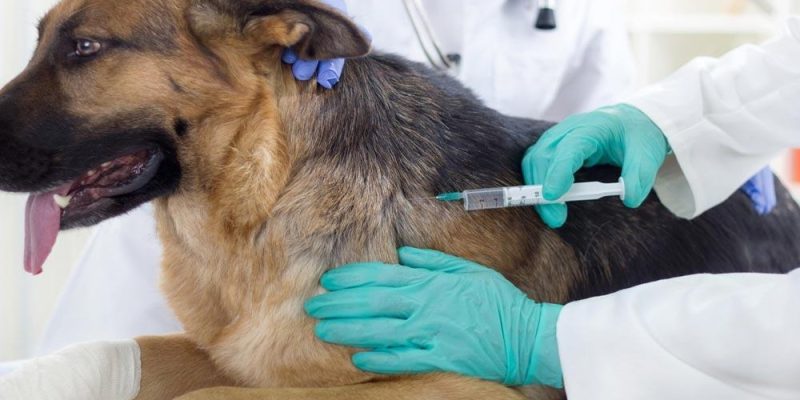
You might be feeling pulled in two directions every time you walk into an animal hospital. On one side, you want to do everything possible to protect your pet. On the other hand, you might worry about cost, side effects, or whether all these shots are really necessary. It can feel like everyone, from your neighbor to your Centreville veterinarian, has an opinion, and you are the one stuck in the middle trying to make the “right” choice for a family member who cannot speak up.end
Because of this tension, you might wonder where regular vaccines actually fit. Are they just another line item on the bill, or are they a core part of keeping your pet and your home safe? The short answer is that well planned vaccination programs in animal hospitals are one of the most reliable ways to prevent serious illness, reduce emergency visits, and protect the humans around your pet as well. They are not about doing more. They are about doing the right things on the right schedule.
So, where does that leave you? It means understanding why veterinarians care so much about vaccines, what happens when they are skipped or delayed, and how to build a plan that fits both your budget and your pet’s real risks.
Why do animal hospitals push vaccines so much, and is it really necessary?
Picture this. Your dog goes to the park, plays with a few new friends, drinks from a shared water bowl, and seems perfectly fine. A week later, there is a cough that does not quite go away, or a sudden bout of vomiting and lethargy. You start replaying every outing in your mind, wondering where things went wrong. This is often how infectious disease feels. Ordinary. Invisible. Then it suddenly became very real.
Vaccination programs are designed to break that chain before it starts. Core dog and cat vaccines, such as those outlined in the American Veterinary Medical Association guidelines for core vaccinations, focus on the diseases that are common, severe, and often deadly or difficult to treat. Things like parvovirus, distemper, and rabies are not minor infections. They can mean days in intensive care or a loss that comes far too quickly.
The emotional cost of a preventable disease can be heavy. Many pet owners blame themselves, even when they were simply unsure or could not get a clear answer in time. There is also the financial side. Treatment for parvovirus, for example, can run into thousands of dollars, with no guarantee of survival. The vaccine is a fraction of that cost and offers strong protection when given on schedule.
Because of this, animal hospitals build structured vaccine protocols. These are not random. They reflect years of evidence, updated science, and real cases seen every day in clinics. When a veterinarian recommends a series of puppy or kitten shots, or regular boosters for your adult pet, they are trying to keep you out of the emergency room and away from those heartbreaking decisions.
What happens beyond your pet: how vaccines protect your family and community
It is easy to think of vaccines as something that affects only your dog or cat. In reality, they sit at the center of a bigger web of health that includes you, your family, and other animals in your neighborhood. This is often called a “One Health” approach, where people, animals, and the environment are all connected. The CDC’s One Health framework explains how diseases can move between animals and humans in ways that are not always obvious.
Rabies is the clearest example. It is almost always fatal once symptoms appear, and it can pass from an infected animal to a person with a single bite. Routine rabies vaccination in pets has dramatically reduced human rabies cases in many countries. When your animal hospital insists on keeping rabies vaccines current, they are protecting not only your pet, but your children, your neighbors, and veterinary staff as well.
There are also infections that mostly affect animals, but that spread quickly in shared spaces. Boarding kennels, grooming salons, dog parks, and waiting rooms can all become hotspots if sick animals mix with healthy ones. Hospitals that follow strong infectious disease control practices, such as those described in this veterinary infectious disease safety guide, use vaccination programs as a core layer of protection.
So when an animal hospital asks about your pet’s vaccine status at check-in, it is not just a formality. It is part of a bigger safety net for everyone who walks through that door, on two legs or four.
How do the risks and benefits of pet vaccines really compare?
You may have heard stories about pets having reactions to vaccines or being “over-vaccinated.” It is natural to worry. No medical decision is completely risk-free. The key question is how the risk of a vaccine compares to the risk of the disease it prevents.
The table below gives a simple comparison for typical core vaccines in an animal hospital vaccination program. This is not a replacement for a conversation with your veterinarian, but it can help you see the bigger picture.
| Vaccine Type | Common Disease Outcomes Without Vaccine | Typical Vaccine Side Effects | Financial Impact Without Vaccine |
|---|---|---|---|
| Parvovirus (dogs) | Severe vomiting, bloody diarrhea, dehydration, high death rate in puppies | Mild soreness, brief tiredness, rare allergic reaction | High. Hospitalization often in the thousands, with uncertain outcome |
| Distemper (dogs) | Neurologic signs, seizures, chronic issues, often fatal | Similar mild effects, serious reactions extremely rare | High. Intensive care and long-term care costs if the pet survives |
| Panleukopenia (cats) | Severe gastrointestinal illness, very high death rate in kittens | Mild fever or soreness, usually short-lived | High. Intensive treatment, often poor prognosis |
| Rabies (dogs and cats) | Almost always fatal. Serious human exposure risk | Localized swelling, rare allergic reaction | Extremely high. Quarantine, testing, or euthanasia. Human medical costs |
When you look at it side by side, the pattern is clear. Diseases are often severe, expensive to treat, and can leave lasting damage or end in loss. Vaccine side effects are usually mild and short-lived. Serious reactions can happen, but they are rare, and animal hospitals are trained to recognize and treat them quickly.
So the real question becomes not “Are vaccines perfect” but “Which vaccines are appropriate for my pet, at what schedule, and how do we monitor for any issues?” That is a more balanced and manageable decision.
What can you do right now to make vaccines safer and more tailored to your pet?
1. Build a personalized vaccine plan with your veterinarian
Ask your veterinarian to walk you through which vaccines are “core” for every dog or cat and which are “lifestyle” extras. For example, a dog that hikes in tick-heavy areas may need different protection than a small indoor cat. Use your pet’s age, health history, travel plans, and daily routine to shape a schedule rather than accepting a one-size-fits-all list. This turns a generic program into a thoughtful pet vaccination schedule designed for your animal’s real life.
2. Keep clear records and watch for patterns
After each visit, ask for a copy of your pet’s vaccine record and keep it in one place. Note any mild reactions such as a sore spot, sleepiness, or a brief drop in appetite. Share this information at your next appointment. Over time, your animal hospital can adjust timing, group or separate vaccines, or use different products if needed. This builds safety through awareness, not guesswork.
3. Plan financially so vaccines do not become last-minute decisions
Many people skip or delay vaccines because life gets busy or money is tight, not because they do not care. Ask your animal hospital about wellness plans, reminder systems, or spreading visits through the year. Some clinics bundle vaccines with exams at a lower overall cost. When you treat your pet’s vaccines like essential preventive care, similar to your own checkups, it becomes easier to budget and stay on track.
Where does this leave you and your pet?
You are not expected to become an expert in infectious diseases. What you can do is choose an animal hospital that takes vaccination programs seriously, ask honest questions, and stay engaged in your pet’s plan over time. You do not have to be perfect. You just have to keep moving in the direction of protection instead of reaction.
Your pet depends on you to make choices they cannot understand. By committing to thoughtful, regular vaccines as part of their routine care, you lower the chance of frightening emergencies, painful treatments, and sudden losses that might have been prevented. That is not about pressure. It is about giving both of you a calmer, safer future together.
If you have been unsure or have fallen behind, the best time to start the conversation is your next visit to your trusted animal hospital. Bring your questions, your concerns, and your pet’s story. A good veterinary team will meet you where you are and help you build a plan that feels both safe and realistic for your family.





Comments