
 By
By 
You might be reading this with your heart still racing a little. Maybe it started with a strange sound in the night, or your pet suddenly limping, or a quiet cat who usually meets you at the door. One moment life felt normal. The next moment you were on the floor checking their breathing, searching online, and wondering if you should rush to an emergency veterinary clinic in Westminster CO.
In those moments you are not just worried about your pet. You are also worried about making the wrong decision, about money, about time, and about whether anyone will take your fear seriously. That mix of love, panic, and uncertainty is exhausting.
The good news is that well run veterinary clinics know this. They do not just treat animals. They work hard to calm you, explain what is happening, and guide you through the storm. In simple terms, how veterinary clinics reduce owner anxiety during emergencies comes down to three things. They prepare before the crisis. They communicate clearly during it. They support you and your pet after you go home.
So where does that leave you right now. You cannot control when an emergency happens, but you can understand what good care looks like and what you can ask for. That knowledge alone often brings the first deep breath.
Why do pet emergencies feel so overwhelming for owners?
Part of the fear comes from how quickly things change. A dog eats something strange, a cat starts breathing fast, or a senior pet collapses. You might not know if it is life threatening or something that can wait until morning. Because of this uncertainty, every minute feels like an hour.
On top of that, your pet cannot tell you what hurts. You are left watching for signs. Is the panting normal. Is this whine pain or fear. Resources like this overview of stressful situations for pets can help you understand what your animal might be feeling, but in the moment, everything blurs together.
Money adds another layer. Emergency care is often more expensive than a regular visit. You may worry about saying yes to tests and treatments while silently wondering how you will pay for them. That quiet financial panic can make it harder to focus on what the veterinarian is saying.
Then there is guilt. Many owners ask themselves if they missed an earlier sign or if something they did caused the problem. That self blame can be heavy. When you walk into a veterinary clinic with all of this swirling inside, you are carrying far more than a carrier or a leash.
How do veterinary clinics actually reduce owner anxiety in a crisis?
Good clinics do not expect you to walk in calm and logical. They design their approach around the emotional reality of emergencies. So what does that look like in practice.
First, they triage quickly. Staff are trained to scan your pet the moment you arrive, ask focused questions, and decide if your pet must be seen right now or can safely wait a little. This early structure matters. When someone explains “Your pet is stable enough to wait for 20 minutes” or “We are taking your pet to the back immediately to place oxygen,” your mind has something to hold on to.
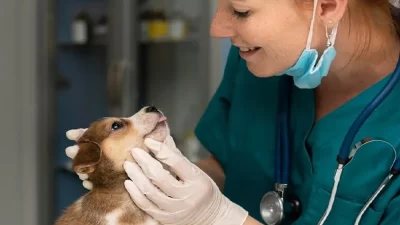
Second, they explain what they are doing in plain language. Instead of a blur of medical terms, a calm nurse might say, “We are checking blood pressure and oxygen right now. That tells us how serious this is. Then the doctor will talk with you before we do anything else.” You still may be scared, but you at least understand the plan.
Third, they pay attention to your pet’s emotional state, not just the physical injury or illness. Clinics that follow behavior guidelines, such as the AAHA canine and feline behavior management recommendations, use quieter handling, treats when appropriate, and gentle restraint. When your pet is calmer, you are calmer. Seeing your animal handled kindly builds trust fast.
Finally, they check in with you. A simple “What is your biggest worry right now” or “Do you want me to repeat the options” can cut through the fog. In a true emergency, information is as important for you as oxygen is for your pet.
What should you look for in emergency care to feel more secure?
You might wonder how to compare your options when your mind is racing. A quick way is to think about three areas. Communication, emotional support, and follow up care. The table below offers a simple comparison that many owners find useful when choosing between trying to manage alone at home and going straight to a professional veterinary clinic for urgent pet care.
| Aspect | Managing at Home Without Guidance | Emergency Veterinary Clinic Support |
|---|---|---|
| Clarity about how serious it is | Based on online searches and guesswork. High risk of under or over reacting. | Physical exam, vital signs, and tests give a clearer picture. You get specific risk information. |
| Owner stress level | Often very high and constant. You feel alone and unsure what to watch for. | Staff explain what is happening, what they are watching, and what comes next. Stress usually drops over time. |
| Pet comfort | Limited to what you have at home. Pain or nausea may go untreated. | Pain relief, oxygen, fluids, and calming handling reduce suffering and fear. |
| Decision support | Decisions rely on your own judgment under pressure. | Veterinarians outline options, costs, and likely outcomes so you can choose with support. |
| Aftercare guidance | Often unclear. You may not know when to worry or return. | Written and verbal instructions for monitoring at home, like those in this guide on caring for a dog or cat after an emergency. |
Seeing the differences laid out can make one thing clear. The goal is not to rush to a clinic for every small concern. It is to recognize that professional help does not only treat your pet. It also gives you structure, clear choices, and emotional relief during emergency vet visits.
What can you do right now to feel more prepared and less anxious?
You cannot predict when the next scare will happen. You can, however, make it far less chaotic. A few specific steps taken now can soften the panic later.
1. Create a simple emergency plan and keep it visible
Write down the phone numbers and addresses of the nearest 24 hour clinics and your regular veterinary clinic. Add their normal hours and any after hours instructions. Keep this on your fridge and in your phone. In a crisis, you do not want to search online for “emergency vet near me” while your pet is struggling. Knowing exactly where you will go and how you will get there reduces the mental noise when seconds feel heavy.
2. Practice calm observation instead of immediate panic
When something seems wrong, take a brief, structured look before you react. Check breathing, gum color, ability to stand, and level of awareness. Note when the problem started. Then call a clinic and describe what you see. Many emergencies begin with owners saying “Something is just off.” A clear, calm description helps the nurse guide you. This does not mean you ignore your fear. It means you give that fear useful information to work with.
3. Ask clinics directly how they support anxious owners
During a routine visit, ask the staff what their process is during emergencies. Do they offer updates if your pet is taken to the back. Do they have a quiet space for owners. How do they handle discussions about cost. Their answers will tell you a lot about how they will support you when you are not at your best. You are allowed to choose a clinic not only for its medical skill, but also for how it treats you in your hardest moments.
Moving forward with more confidence and less fear
Pet emergencies will never feel easy. You care too much for that. Yet they can feel less lonely and less confusing when you understand how veterinary teams work to steady both you and your animal. Preparation, clear communication, and gentle aftercare form the backbone of strong emergency veterinary services.
The next time your stomach drops because something is wrong, remember this. You do not have to carry the entire weight of the decision alone. There are people trained to guide you, to explain, and to stand with you while you choose what is right for your pet and your family. Reaching out early, asking questions, and expecting support are not signs of weakness. They are signs that you are doing your best in a hard moment, which is all any animal could ask of the person they trust most.








Comments