
 By
By 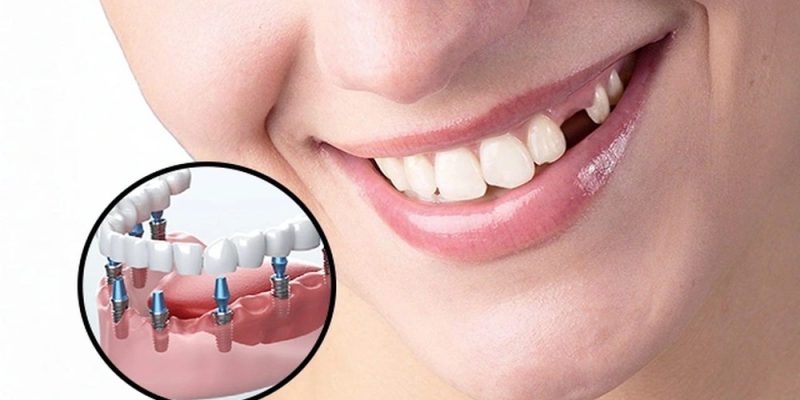
Missing teeth do more than change your smile. They strain your jaw, shift nearby teeth, and chip away at your confidence. You might chew on one side, avoid certain foods, or hide your mouth when you speak. Over time, those small habits create pain and tension. Dental implants offer a strong fix that feels close to natural teeth. They do more than fill a gap. They protect your mouth, support your health, and steady your daily life. A Lower Manhattan dentist can use implants to stop bone loss, keep your bite in line, and help you speak with ease again. This blog explains three hidden benefits you may not expect. You will see how implants protect more than your smile. They protect how you eat, talk, and move through your day.
1. Implants Help Protect Your Jaw Bone
When you lose a tooth, the bone under that tooth starts to shrink. Your body senses that the tooth is gone and stops sending support to that spot. Over time, the bone can thin. Your face shape can change. Your other teeth can loosen.
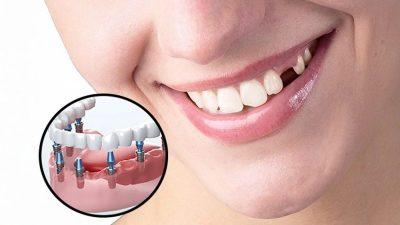
Implants act like new roots. They sit in the bone and give it a reason to stay strong. This support can slow bone loss. It can also help keep your cheeks from sinking in.
The National Institute of Dental and Craniofacial Research explains that bone needs steady use to stay strong. You can read more about tooth loss and bone changes at the NIDCR tooth loss page.
Here is a simple comparison of how options affect your jaw over time.
|
Tooth replacement choice |
Support for jaw bone |
Change in nearby teeth |
Long term fit |
|---|---|---|---|
|
No treatment |
Ongoing bone loss |
Teeth tilt and drift |
Bite gets worse |
|
Removable denture |
Little bone support |
Some shifting over time |
May need repeats |
|
Fixed bridge |
Protects bone on sides |
Uses nearby teeth as posts |
Can loosen if teeth weaken |
|
Dental implant |
Direct support to bone |
Leaves nearby teeth alone |
Can stay stable for many years |
With implants, you protect three things. You protect the bone under the gap. You protect the teeth next to it. You protect your face shape.
2. Implants Make Eating And Speaking Easier
Missing teeth change how you bite. You might tear food with your side teeth. You might swallow larger pieces. You might avoid meat, nuts, or crisp fruit. Over time, this can strain your jaw and upset your stomach.
Implants stay fixed in place. You can chew on both sides again. You can take smaller bites. You can choose foods that support your heart and your blood sugar. The Centers for Disease Control and Prevention links tooth loss to trouble eating and speaking. That strain can affect your whole body.
Speech also changes when teeth are missing. Certain sounds need your tongue to touch your teeth. When teeth are gone, air slips through new gaps. Words can sound blurred. You may speak more softly or cover your mouth. Every day talks can feel tense.
Implants fill those gaps with stable teeth. Your tongue finds a clear path again. You can form words with less effort. This can ease talks at work, in school, and at home.
With steady teeth you can
- Chew more types of food
- Speak with clearer sounds
- Join meals and talks without fear
These changes are quiet but strong. They shape how you share meals, stories, and time with people you care about.
3. Implants Support Your Mental And Social Health
Tooth loss can weigh on your mood. You may avoid cameras. You may smile with closed lips. You may turn down invites that involve food. This can lead to shame, stress, and lonely days.
Implants give you teeth that feel fixed and steady. You do not need to take them out at night. You do not need pastes. You do not worry that they will slip when you laugh. That sense of control can calm your thoughts.
With implants, you can
- Smile in photos without fear
- Eat in public without worry
- Focus on people instead of your teeth
These are not light changes. They touch how you see yourself and how you let others see you. Many people say they feel younger. Many say they feel able to speak up again at work or in class.
What To Expect If You Are Thinking About Implants
Every mouth is different. A dentist will review your health, bone strength, and daily needs. You may need scans. You may need to treat gum disease first. The process often takes months because the bone needs time to grow around the implant post.
Common steps include
The American Dental Association offers plain facts on implants, safety, and care. You can review their information at the MouthHealthy dental implants page.
Moving Forward With Confidence
Missing teeth affects more than how you look. They strain your jawbone. They change how you eat. They press on your mood. Implants give you a strong tool to protect your health in three quiet but strong ways. They support your bones. They restore steady chewing and clear speech. They help rebuild trust in your own smile.
If you live with missing teeth, you do not need to accept pain, soft food, and hiding your mouth. You can ask your dentist if implants fit your health and budget. You deserve teeth that let you eat, speak, and live with steady calm.



Comments