
 By
By 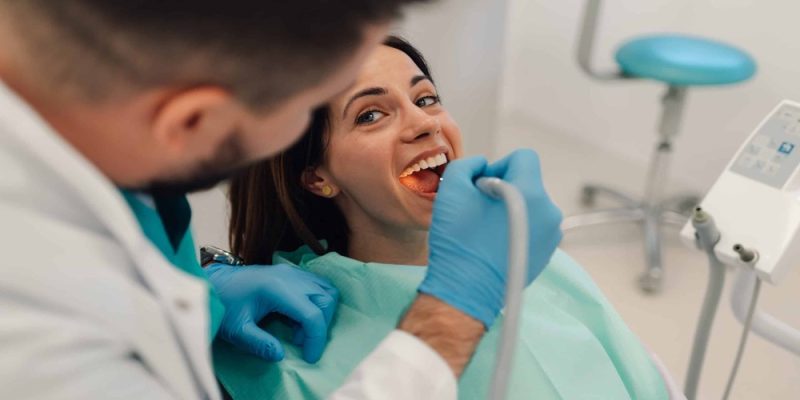
Your mouth affects your whole body. When you protect your teeth early, you avoid pain, missed work, and sudden bills later. Preventive dental care is not extra. It is the base that keeps your smile strong, your breath clean, and your health steady. Regular cleanings remove hard buildup you cannot brush away. Exams catch small problems before they turn into infections and broken teeth. Fluoride and sealants protect weak spots that daily brushing misses. Each visit also gives you straight talk about brushing, flossing, and food choices that either protect or damage your teeth. If you wait for pain, treatment takes longer and costs more. If you stay ahead of problems, care stays simple and quick. A trusted dentist in Jonesboro, AR can guide you through this routine. You gain control, avoid fear, and keep your natural teeth for as long as possible.
How Your Mouth Connects To Your Whole Body
Gum disease is linked to heart disease, stroke, diabetes, and pregnancy problems. Germs from bleeding gums enter your blood. Then they move to other organs and strain your immune system. The Centers for Disease Control and Prevention show that untreated gum disease is common and often silent until late stages.
You may notice three warning signs.
- Red or swollen gums that feel sore when you brush
- Bleeding when you floss or bite into firm food
- Loose teeth or bad breath that stays even after brushing
Early care keeps these signs from turning into tooth loss or health scares. Strong teeth help you chew, speak, and sleep. That support protects your mood, your job, and your family life.
What Counts As Preventive Dental Care
Preventive care is simple. It includes three parts.
- Home care every day
- Regular dental visits
- Smart choices about food and drinks
At home, you brush twice daily with fluoride toothpaste and a soft brush. You floss once a day. You limit sugar and sip water often. At the office, your dentist cleans, checks, and protects your teeth on a set schedule. That rhythm keeps small issues from growing.
Why Routine Visits Matter More Than “Fixing Problems”
Many people wait for pain. That choice leads to longer visits, root canals, or extractions. Routine care flips that script. You address decay when it is a tiny spot. You treat gum irritation before bone loss starts. You spend less time in the chair and fewer days away from work or school.
The American Dental Association explains that most people need a checkup every six months, though some need more frequent visits based on risk.
Preventive Care Versus Emergency Care
|
Type of care |
When it happens |
Common examples |
Typical impact on your life |
|---|---|---|---|
|
Preventive care |
On a set schedule before pain starts |
Cleanings, exams, x rays, fluoride, sealants |
Short visits. Lower cost. Less fear for children and adults. |
|
Emergency care |
After sudden pain or swelling |
Root canals, extractions, deep gum treatment |
Long visits. Higher cost. Missed work or school and sleep loss. |
You can choose which column you want your family to live in most of the time. Preventive care keeps you in control. Emergency care forces hard choices when you feel scared or tired.
Key Preventive Tools You Should Know
Three tools form the core of preventive dental care.
- Professional cleanings. These remove hardened tartar that traps germs along the gumline. That lowers your risk of gum disease and tooth loss.
- Fluoride treatments. Fluoride strengthens tooth enamel. It helps repair weak spots before they turn into cavities.
- Dental sealants. Sealants coat the grooves of back teeth. That barrier keeps food and germs out of deep pits where a brush cannot reach.
Children gain strong protection from sealants on their first and second molars. Teens and adults with high cavity risk may benefit from them as well. A short visit can prevent years of repeat fillings in those grooves.
Building Strong Habits At Home
Your daily habits decide how well your dental visits work. You can follow three simple steps.
- Brush for two minutes twice daily with fluoride toothpaste
- Floss once daily to clean between teeth where brushes miss
- Drink water, limit sugary drinks, and keep sweets as rare treats
You can help children by brushing with them and making it part of the same morning and night routine. You can set a timer, play a song, or use a simple chart on the fridge. Small rewards for steady habits often help more than the fear of cavities.
How Preventive Care Supports Children, Adults, and Older Adults
Preventive care changes with your stage of life.
- Children. Early visits help kids feel safe. They learn that the dentist is a helper, not a threat. Sealants and fluoride lower the chance of missed school days from toothaches.
- Adults. Work and family stress strain your body. Grinding, dry mouth from medicines, and rushed meals raise the risk. Regular care keeps teeth steady during busy years.
- Older adults. Gum recession, worn enamel, and medical conditions increase problems. Frequent checks help protect remaining teeth and any dentures or bridges.
At every age, preventive care protects your ability to eat, speak, and smile in public without worry.
Taking Your Next Step Toward A Healthy Smile
You do not need a perfect history to start. Even if you stayed away for years, you can return now. You can tell the office staff about your fears or past pain. You can ask for clear explanations of every step. You deserve care that respects your time and your story.
When you commit to preventive dental care, you choose less pain, lower cost, and more control. You protect your health, your confidence, and your family’s comfort. One call to schedule a cleaning and exam can reset your path and keep your smile strong for years.








Comments