
 By
By 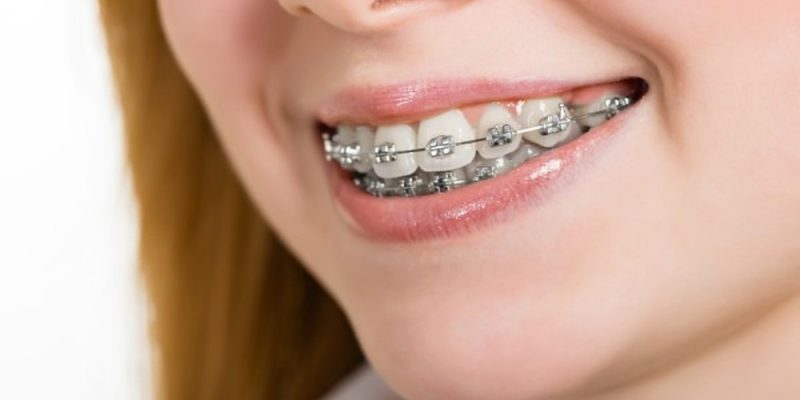
Your child’s smile shapes how they eat, speak, and feel about themselves. Early orthodontic care can protect that smile before small problems grow into painful ones. Interceptive orthodontics means treating issues early while your child’s jaw and teeth still change. This early window can guide growth, open space for adult teeth, and reduce the need for tooth removal later. It can also shorten time in braces as a teen. Many parents miss early warning signs because teeth may look “good enough.” Yet hidden pressure on the jaw, crowding, or bite problems can harm your child’s comfort and confidence. Treatment options can include braces, expanders, or Invisalign in West Covina. Each option has strengths for different children. This guide explains four clear signs that your child may need help now so you can act with confidence and protect your child’s long term oral health.
1. Crowded or widely spaced teeth
Look at your child’s smile from the front and from the side. You may see teeth that twist, overlap, or sit far apart. These patterns often show that the jaw and teeth do not match in size. That mismatch can grow worse as new teeth appear.
Crowding and spacing can cause three common problems.
- Food stays trapped between teeth and raises the risk of cavities and gum disease.
- Teeth wear down in uneven ways that cause chips and pain.
- Self respect drops when your child starts to compare their smile with others.
Early care can guide jaw growth and create room for adult teeth. The American Association of Orthodontists advises that every child see an orthodontist by age 7 so these patterns do not stay hidden. .
2. Trouble biting, chewing, or speaking
Pay attention when your child eats or talks. Small daily struggles can show a bite problem that you cannot see from a quick glance in the mirror.
Common warning signs include three frequent patterns.
- They bite their cheeks or tongue often while eating.
- They chew on one side of the mouth most of the time.
- They struggle with certain sounds like “s,” “sh,” or “th.”
These issues can come from an overbite, underbite, crossbite, or open bite. Each one changes how the top and bottom teeth meet. Interceptive care can shift jaw growth to bring the bite into a safer position. That support can lower jaw strain and protect your child’s ability to chew many foods.
The National Institute of Dental and Craniofacial Research explains how bite problems affect health and daily life.
3. Mouth breathing and jaw strain
Many children breathe through the mouth during a cold. That pattern should not last. Ongoing mouth breathing can change the way the face and jaw grow. It can also dry the mouth and raise the risk of cavities.
Watch for three common signs.
- Lips stay open during rest or sleep.
- Snoring or noisy breathing at night.
- A long narrow face or teeth that seem to flare forward.
These patterns may connect to allergies, enlarged tonsils, or narrow jaws. Interceptive orthodontics can widen the upper jaw and create more room for the tongue. That change can support better nasal breathing and reduce strain on jaw joints. Early help can also protect sleep quality and daytime focus.
4. Thumb sucking or other habits that will not stop
Thumb sucking and pacifier use can comfort young children. Most children stop on their own by age 3 or 4. When the habit stays longer, it can push teeth and bone out of place.
Look for three warning signs.
- Front teeth that tilt forward or do not meet when your child bites.
- Ridges or sores on the thumb or finger from constant sucking.
- Difficulty biting into foods like sandwiches or apples.
Interceptive treatment can include simple habit tools and gentle reminders. That support can help your child quit the habit and stop more damage to the teeth. Then braces or clear aligners later often need less time and less pressure.
How early treatment compares with waiting
Early care does not fit every child. Yet for many, it changes the whole path of treatment. The table below shows common differences between starting early and waiting until the teen years.
|
Topic |
Early interceptive care |
Waiting until teen years |
|---|---|---|
|
Length of treatment |
Often two shorter phases with breaks in between |
Often one longer and more intense phase |
|
Tooth removal |
Lower chance of needing permanent teeth removed |
Higher chance of extractions to create space |
|
Jaw growth |
Guides natural growth while bones still change |
Relies more on moving teeth inside fixed bone |
|
Comfort |
Gentler changes over time |
Possible stronger forces in a shorter span |
|
Future options |
Keeps more choices open for braces or clear aligners |
May limit options if crowding or bite problems are severe |
When to schedule an orthodontic check
You do not need a referral to ask for an early orthodontic check. You can schedule a visit if you notice any of these signs.
- Your child feels pain in the jaw or teeth when chewing.
- You see crowding, spacing, or a bite that does not look even.
- You hear comments from teachers about speech or chewing issues at school.
Bring your questions and your child’s full health history. Photos and X-rays can show changes that you cannot see during daily life. The orthodontist can then explain whether early care makes sense or if it is safe to wait and watch.
Taking the next step
You do not have to know what each appliance does. You only need to notice when something does not seem right. Trust your concern. Ask for an early orthodontic opinion when your child shows any of these four signs. Small steps now can prevent stronger treatment and emotional strain later. Your child deserves a bite that works well and a smile that feels safe. Early action can give both.







Comments