
 By
By 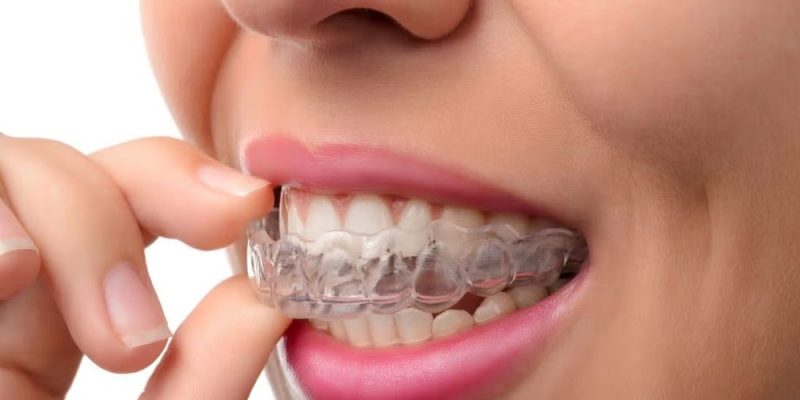
Bite and alignment problems can drain your energy. You may feel jaw tension, headaches, chipped teeth, or trouble chewing. You might even avoid smiling. A general dentist can guide you through this with steady care. You do not need a specialist for every concern. You often start with your regular dentist. A dentist studies how your teeth fit together. Then the dentist looks for uneven wear, crowding, or gaps. Next the dentist checks how your jaw moves when you talk and eat. This careful check can uncover issues before they grow into constant pain. A general dentist can offer treatment that fits your daily life. That can include simple reshaping, clear aligners, or night guards. You can begin with a trusted dentist Mount Holly NJ who knows your history. You deserve a calm bite, a steady jaw, and teeth that work together.
1. Careful exams that spot bite problems early
Your bite is how your upper and lower teeth meet. When teeth do not meet in a balanced way, your mouth must work harder. That strain can move from your teeth to your jaw joints and neck. A general dentist looks for early signs before damage becomes severe.
During a routine visit, the dentist will usually
- Check how your teeth touch when you close and open
- Look for worn edges, chips, and recession along the gums
- Ask about clenching, grinding, and morning headaches
- Listen for clicks or pops in your jaw joints
The dentist may also use simple tools and X-rays. These help reveal hidden cracks and bone changes. The Centers for Disease Control and Prevention notes that regular dental visits help catch problems early. Early care often costs less and feels easier on your body.
Here is a short comparison of untreated bite problems and those found early during routine care.
|
Stage |
Common Signs |
Typical Impact On Daily Life |
|---|---|---|
|
Early |
Minor jaw noise, light wear on teeth |
Short discomfort when chewing tough foods |
|
Moderate |
Frequent soreness, sensitive teeth |
Avoiding hard foods, disturbed sleep |
|
Severe |
Broken teeth, strong jaw pain, headaches |
Missed work or school, trouble eating and speaking |
Early checks give you more choices. You can often use simple steps instead of complex treatment later.
2. Simple bite adjustments and tooth reshaping
Sometimes your bite feels off because a few teeth hit too hard. A filling may be too high. A crown may not match the teeth around it. Even a small bump can change how your jaw closes. A general dentist can smooth and shape those spots with care.
Tooth reshaping often involves
- Marking high spots with special paper as you bite and slide
- Gently polishing tiny amounts of enamel on selected teeth
- Re-checking your bite after each small change
This process can
- Reduce sharp pressure on single teeth
- Lower the risk of cracks and chips
- Help your jaw move in a more relaxed path
If you grind your teeth, the dentist may also suggest a custom night guard. This clear device fits over your teeth while you sleep. It spreads the force of clenching. It can protect your enamel from wear and lower strain on your jaw joints.
General dentists often use these small changes first. You may feel relief without braces or surgery. That approach respects your time, your budget, and your comfort.
3. Straightening teeth and guiding jaw position
When teeth are crowded, tipped, or spaced, they can throw your bite out of balance. You may chew on one side more than the other. You may notice your front teeth hit too soon or not at all. A general dentist can plan treatment that moves teeth into a healthier position.
Common options include
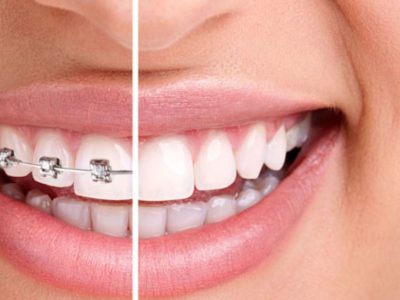
- Clear aligners that move teeth step by step
- Traditional braces in some offices
- Referral to an orthodontist for complex changes
The dentist will study your photos, X-rays, and bite records. Then you discuss what bothers you most. That may be pain, worn teeth, or how your smile looks. Together, you choose a plan that fits your life.
Aligned teeth are easier to clean. The National Institute of Dental and Craniofacial Research explains that trapped plaque raises the risk of tooth decay and gum disease. Straight teeth give your toothbrush and floss a fair chance. That helps your bite stay steady for more years.
Here is a simple table that compares two common options for mild to moderate alignment problems.
|
Treatment Type |
Often Used For |
Typical Wear Time |
Main Benefit For Bite |
|---|---|---|---|
|
Clear Aligners |
Mild crowding and spacing |
20 to 22 hours each day |
Gradual shift to a more even bite |
|
Braces |
Mild to complex bite problems |
All day until treatment ends |
More control over tooth and jaw position |
Your dentist will explain what each choice can and cannot do. You stay in control of the pace and goals of your care.
Taking the next step for your bite and comfort
You do not need to live with constant jaw strain or chipped teeth. You can start with a simple talk during your next checkup. You can tell your dentist about your pain, your sleep, and any sounds in your jaw. You can ask for a clear explanation of what is happening and what can change.
With steady exams, small bite adjustments, and well-planned alignment, a general dentist can protect your teeth and your daily comfort. Your bite should help you eat, speak, and smile without fear. You deserve that steady support and clear guidance each time you sit in the chair.










Comments