
 By
By 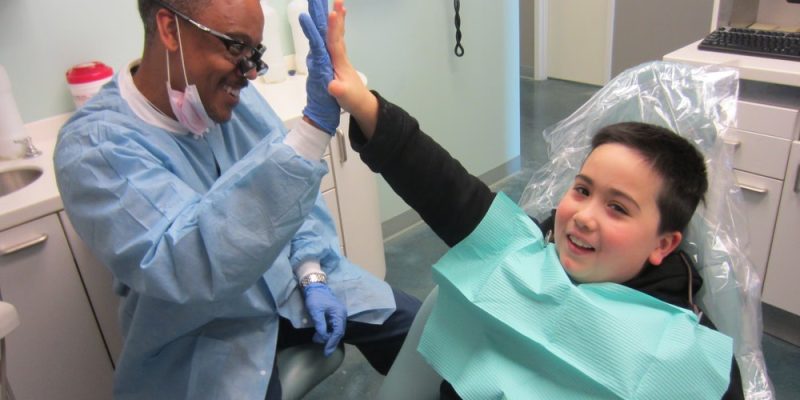
Healthy teeth do not happen by chance. They come from simple steps you take before pain starts. Preventive dentistry is that steady work. It is the cleaning, checking, and daily care that protect your mouth from decay, infection, and tooth loss. It also shields your budget from emergency bills and long treatment plans. When you see an experienced Santa Rosa family dentist for routine visits, you gain early warning signs, clear guidance, and strong support for your daily habits. You catch small issues before they turn into deep cavities or gum disease. You keep your natural teeth longer. You also protect your speech, your bite, and your self respect. This blog explains how regular checkups, cleanings, sealants, and simple home care give you control. It shows why starting now protects your smile for many years.
What Preventive Dentistry In General Practice Includes
You do not need complex care to protect your mouth. You need steady habits and regular checkups. A general practice gives you both in one place.
- Routine exams and X rays to spot decay and infection
- Professional cleanings to remove plaque and tartar
- Fluoride treatments to harden tooth enamel
- Sealants for back teeth to block food and bacteria
- Simple repair of small cavities before they spread
- Coaching on brushing, flossing, and diet choices
Each service is simple. Together they form a safety net. You feel fewer surprises. You face fewer hard choices.
Why Prevention Protects Children And Adults
Teeth change as you age. Your need for prevention does not change. It only shifts.
- Children need help with brushing, sealants, and fluoride
- Teens need support through braces, sports, and sugar use
- Adults need care for stress, grinding, and gum health
- Older adults need checks for dry mouth, wear, and tooth loss
One trusted general dentist can follow your mouth through each stage. That long view helps catch patterns. It also builds steady trust for your family.
What You Gain When You Act Early
Preventive care gives clear benefits you can feel and see. It also protects your time and money.
Preventive Care Versus Delayed Treatment
|
Issue |
With Preventive Dentistry |
With Delayed Treatment |
|---|---|---|
|
Tooth decay |
Small cavity filled quickly |
Large decay, root canal, or extraction |
|
Gum health |
Mild gingivitis reversed |
Bone loss and loose teeth |
|
Pain |
Minor sensitivity managed |
Severe pain and infection |
|
Time away from work or school |
Short planned visits |
Urgent visits and long recovery |
|
Cost |
Lower ongoing costs |
High emergency and repair costs |
Data from the Centers for Disease Control and Prevention show that untreated cavities are common in both children and adults. Regular visits cut that risk. They also reduce missed school days and work days.
How Routine Visits Work For You
A checkup is not only a quick look. It is a careful review of your health.
During a standard visit, your dentist and hygienist will
- Review your health history and medicines
- Check your teeth, gums, tongue, and cheeks
- Take X-rays when needed to see hidden decay
- Measure your gums for early gum disease
- Clean away plaque, tartar, and surface stains
- Explain what they see and what you can change at home
Then you leave with a clear plan. You know what needs care now. You know what you can watch. You know when to come back.
Home Habits That Support Your Dentist
Most of your mouth care happens in your home. Your daily choices matter. Simple steps work best.
- Brush twice a day with fluoride toothpaste
- Floss once a day to clean between teeth
- Limit sugary drinks and snacks
- Drink water, especially tap water with fluoride
- Use a mouthguard for sports or grinding
- Do not smoke or vape
The National Institute of Dental and Craniofacial Research confirms that fluoride, brushing, and smart food choices lower tooth decay. These steps add power to the work done at each visit.
Protecting More Than Your Teeth
Your mouth links to the rest of your body. Poor oral health can be connected with heart disease, diabetes, and pregnancy problems. Infections can spread. Inflammation can rise.
When you keep your mouth clean and treat decay early, you lower the strain on your body. You support your breathing, your sleep, and your daily energy. You also guard your ability to speak clearly and eat the foods you enjoy.
Planning For Lifelong Oral Health
You cannot change past habits. You can act today. You can set a schedule that protects you.
- Set checkups every six months or as your dentist suggests
- Bring your child before the first birthday or first tooth
- Use reminders on your phone or calendar
- Ask about payment plans or coverage options
Every visit is a small step. Three things happen. You prevent problems. You lower fear. You protect your future smile.






Comments