
 By
By 
Parenting brings constant worry about your child’s health. Teeth often sit low on the list until pain hits in the middle of the night. Family dentistry eases that fear before it starts. You bring your child, yourself, and other loved ones to one trusted office. The team learns your stories, your habits, and your goals. Regular visits catch small problems early. That means fewer emergencies, fewer missed school days, and fewer restless nights. A Memphis dentist who practices family care knows how to calm a nervous child and guide a tired parent. Clear steps, simple language, and steady support give you control. You know what is happening, why it matters, and what comes next. That steady rhythm turns dental visits from a source of dread into a source of relief. You leave feeling prepared, not scared.
Why One Dental Home Matters For Your Family
Children feel safer when they see the same faces. You feel calmer when you know what to expect. A family practice gives you both.
With one dental home, you:
- Keep all records in one secure place
- Use one phone number for questions and urgent needs
- Build trust with a team that knows your history
Trust grows with steady contact. Your child learns the room, the chair, and the voices. You learn which steps come first, next, and last. That routine lowers fear for everyone.
How Family Dentistry Prevents Emergencies
Most dental crises do not start as crises. They grow from small issues that stay hidden. Routine care stops that chain.
At regular visits, the team can:
- Check for early decay that you cannot see
- Clean away plaque and tartar that brushing misses
- Watch how teeth and jaws grow over time
The Centers for Disease Control and Prevention explains that early care lowers decay and pain in children. You can read more at the CDC Oral Health page here: https://www.cdc.gov/oralhealth/index.html.
When problems stay small, treatment stays simple. That means shorter visits, fewer shots, and less time away from school or work. You avoid the late-night rush to an urgent clinic. You avoid the shock of a large bill.
Care For Every Stage Of Childhood
Your child’s mouth changes fast. Teeth erupt, fall out, and shift. A family dentist walks with you through each change.
You can expect help with three key stages.
- Baby and toddler teeth. Guidance on teething, thumb sucking, and first cleanings
- School-age teeth. Sealants, cavity checks, and injury prevention for sports
- Teen teeth. Alignment checks, wisdom tooth planning, and habit coaching
The same dentist can talk with you about pacifiers at age two and mouthguards at age ten. You do not need to repeat your story at a new office every few years. That saves time and energy. It also protects your child from mixed messages about care.
What A Family Dentist Checks At Each Visit
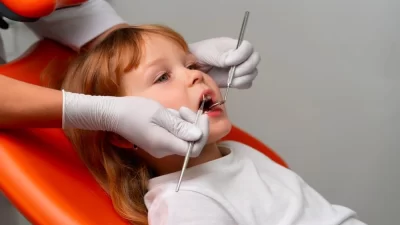
Knowing what happens in the chair reduces fear. You and your child can walk in with clear expectations.
During a routine visit, the team may:
- Review your health history and medicines
- Take X rays only when needed
- Check gums for swelling or bleeding
- Look for weak spots in enamel
- Clean and polish teeth
- Apply fluoride or sealants when helpful
The American Dental Association offers plain language on what to expect at dental visits. You can explore their patient education here: https://www.mouthhealthy.org/.
Simple Habits That Protect Your Child’s Teeth
A family practice does more than fix problems. It coaches you on daily steps that protect your child between visits.
You can focus on three habits.
- Brush twice a day with fluoride toothpaste
- Floss once a day when teeth touch
- Limit sugary drinks and snacks
The dentist can show you brushing methods that fit your child’s age. You learn how much toothpaste to use. You learn how to guide your child’s hand at first, then how to let them take over. These small lessons give you confidence at home.
How Family Dentistry Saves Time And Money
Parents carry full schedules. You need care that respects that weight.
A family practice can:
- Book back-to-back visits for siblings and parents
- Plan treatment in clear steps so you can budget
- Use reminders so you do not lose track of visits
Early care often costs less than crisis care. A small filling costs less than a root canal. A quick sealant costs less than treating deep decay. By catching disease early, you protect both your child’s comfort and your family budget.
Sample Preventive Schedule For Children And Parents
|
Family Member |
Visit Frequency |
Key Checks |
|---|---|---|
|
Child under 6 |
Every 6 months |
Tooth growth, early decay, habits like thumb sucking |
|
Child 6 to 12 |
Every 6 months |
Sealants, cavities, sports injury risk |
|
Teen 13 to 18 |
Every 6 months |
Alignment, wisdom teeth, diet, and tobacco risks |
|
Parent or caregiver |
Every 6 to 12 months |
Gum health, decay, worn teeth from stress |
Your dentist may change this schedule based on your family’s needs. The goal stays the same. Catch problems early. Keep visits short. Keep pain away.
Emotional Relief For You And Your Child
Fear of the dentist can pass from parent to child. When you feel tense, your child senses it. A steady family practice can break that cycle.
You can ask the team to:
- Explain each step before they start
- Use simple words with your child
- Let your child hold a favorite toy during care
Over time, your child learns that the office is a safe place. You learn that questions are welcome. That shared trust brings a quiet sense of control. You walk out with more than clean teeth. You walk out with less fear.
Taking The Next Step
You do not need to wait for pain to act. You can call a family practice now and set a first visit. You can bring your questions about brushing, food, and fears.
Family dentistry gives you three gifts. Early protection. Honest guidance. Steady support through each stage of childhood. That is how you gain peace of mind. You know you are not facing your child’s dental health alone.








Comments