
 By
By 
You brush, floss, and see your dentist on schedule. You still see stains, small chips, and lines that bother you every time you look in the mirror. Routine care protects your teeth. It does not always give you the smile you want. Cosmetic treatments can work with preventive care to fix both. They can smooth rough edges, close small gaps, and brighten dark teeth. They can also support your bite and help you keep your mouth clean. When you choose carefully, cosmetic care does not fight your regular checkups. It strengthens the work you already do. This blog explains six treatments that match well with exams, cleanings, and home care. It also shows how Honolulu cosmetic dentistry can fit into a long term plan for strong teeth and healthy gums. You learn what each treatment can and cannot do so you can plan with confidence.
1. Professional teeth whitening
Teeth whitening is one of the simplest cosmetic steps. You keep brushing and flossing. You still need fluoride and regular cleanings. Whitening sits on top of that care and boosts the look of your teeth.
With in office whitening, your dentist uses a stronger gel than store kits. The gel removes stains from coffee, tea, or tobacco. It does not change the shape of your teeth. It does not replace fillings or crowns. You still need treatment for decay or gum disease first.
Good candidates often:
- Have healthy gums
- Have no untreated cavities
- Want a lighter shade without changing tooth shape
Whitening works best right after a cleaning. Plaque and tartar are gone, so the gel reaches the tooth surface. You then protect the results with good home care and fewer dark drinks.
2. Dental bonding for chips and gaps
Dental bonding uses a tooth colored resin to fix small flaws. Your dentist shapes the resin, sets it with light, and polishes it. Bonding needs little or no drilling. You often do not need numbing.
Bonding can:
- Fill chips at the edge of front teeth
- Cover white or brown spots
- Close small gaps between teeth
Bonding works well with preventive care because you still keep your natural tooth. You keep feeling in the tooth. You keep strong enamel under the resin. You still need cleanings and home care, because resin can stain and pick up plaque.
The National Institute of Dental and Craniofacial Research explains how plaque and decay start. That same plaque can weaken the edge of bonding. Strong brushing and flossing protect both tooth and resin.
3. Tooth colored fillings that also look natural
When you have a cavity, you need a filling. You also care how the tooth looks. Tooth colored composite fillings treat decay and match your smile. They fit well with preventive care because they repair damage from bacteria while keeping a natural shape.
Composite fillings can:
- Blend with surrounding teeth
- Support the remaining tooth structure
- Reduce the need to remove healthy tooth tissue
You still need exams and X-rays. Your dentist checks the edges of the filling and the gum around it. You also need fluoride toothpaste. Fluoride strengthens both natural enamel and the tooth around the filling.
Composite is not as strong as some metals. Very large cavities may need a crown instead. You and your dentist can balance strength, cost, and look for each tooth.
4. Porcelain veneers for shape and color
Porcelain veneers are thin shells that cover the front of teeth. They can change color, shape, and length. Veneers can fix teeth that are worn, uneven, or deeply stained.
Veneers work best when you already have:
- Clean, stable gums
- No active decay
- A bite that feels even when you close
Your dentist removes a small layer of enamel so the veneer fits. This step is permanent. You then need to protect the veneer and the tooth under it for life. Regular cleanings and checkups help you avoid decay around the edges.
The Centers for Disease Control and Prevention stresses the link between oral health and daily life. Veneers can improve how you feel about your smile. Preventive care protects the teeth that support the change.
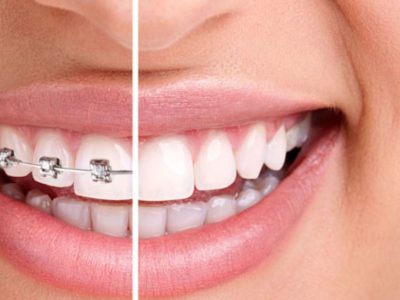
5. Clear aligners that straighten and protect
Crooked or crowded teeth are harder to clean. Food hides between them. Plaque grows in tight spots. Clear aligners can straighten teeth in a quiet way and help your brushing work better.
Aligners can:
- Open crowded spaces so floss can pass
- Reduce uneven wear from a poor bite
- Lower the risk of chipping on high-contact teeth
You must commit to wearing the trays for many hours each day. You also must clean your teeth before putting trays back in. Trapped food can raise the risk of decay. Preventive care stays at the center of treatment. You have more checkups, not fewer.
6. Crowns that restore strength and shape
When a tooth is cracked or has a large filling, a crown can protect it. A crown covers the whole tooth above the gum. It restores chewing strength. It can also improve color and shape.
Crowns support preventive care because they:
- Protect weak teeth from breaking
- Restore height so your bite stays even
- Can be made from tooth colored materials
You still must brush along the gum line and floss around the crown. The tooth under the crown can still get decay at the edges. Regular exams help your dentist find early problems, such as small cracks or loose cement.
Comparison of six cosmetic treatments
|
Treatment |
Main purpose |
Best for |
Typical visit count |
Works with preventive care by |
|---|---|---|---|---|
|
Teeth whitening |
Lighten tooth color |
Surface stains |
1 to 2 |
Used after cleanings to boost results |
|
Bonding |
Fix chips and small gaps |
Minor front tooth flaws |
1 |
Preserves most natural enamel |
|
Tooth colored fillings |
Treat decay and blend in |
Small to medium cavities |
1 |
Removes decay while keeping tooth look |
|
Porcelain veneers |
Change color and shape |
Worn, stained, or uneven teeth |
2 to 3 |
Relies on healthy gums and clean teeth |
|
Clear aligners |
Straighten teeth |
Crowding or gaps |
Many over months |
Improves access for brushing and flossing |
|
Crowns |
Protect weak teeth |
Cracked or heavily filled teeth |
2 |
Prevents breaks that can lead to tooth loss |
How to choose what fits your mouth
Every mouth is different. You may only need whitening and a small filling. Another person may need aligners and crowns. The best plan always starts with:
You and your dentist can then choose three steps. First, treat gum disease or decay. Second, protect weak teeth. Third, refine the look with lighter or straighter teeth.
Cosmetic treatment should never replace preventive care. It should stand on top of it, like a shield and a polish. When you keep your daily habits strong and keep your checkups on time, these six treatments can support both your health and your confidence for many years.








Comments