
 By
By 
You want a smile that looks good and stays healthy. You also want care that fits your real life, not a long list of confusing options. When you combine preventive visits with simple cosmetic treatments, you get both. You protect your teeth from decay and damage. You also fix stains, chips, and uneven edges that bother you every day. That mix offers strong protection, less pain, and lower costs over time. It also lifts your confidence at work, at home, and in photos. A dentist in Surprise, AZ can clean your teeth, check for early problems, and then use safe cosmetic steps to shape, brighten, or repair your smile. You do not need extreme treatment. You need steady care that works together. This blog shows four clear benefits so you can choose your next dental visit with calm and certainty.
1. Stronger protection against decay and damage
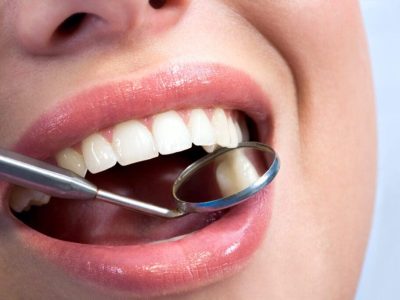
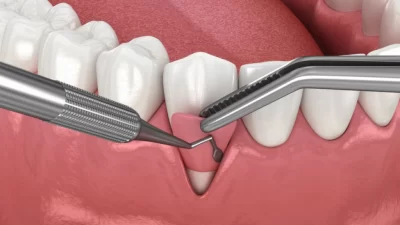
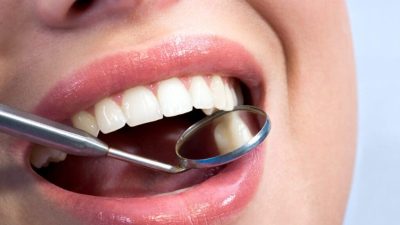
Preventive care stops small problems from turning into deep pain. Cleanings remove plaque and tartar that you cannot reach with a brush. Regular exams catch early decay and weak spots before they crack.
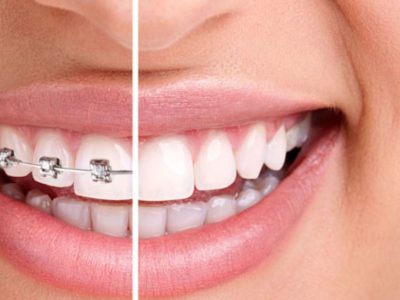
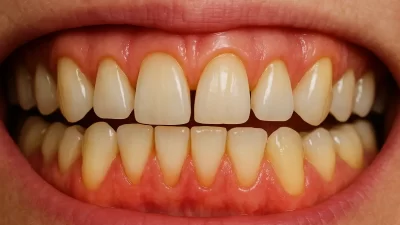
Then cosmetic care can cover and support teeth so they stay strong. Bonding can seal tiny chips. Veneers can shield worn enamel. Whitening can remove stains that hide early warning signs on the surface.
When you use both, you get three key gains.
- Fewer cavities and broken teeth
- Less need for root canals and extractions
- Healthier gums that hold teeth firm
The Centers for Disease Control and Prevention explains how cleanings and fluoride reduce decay across all ages.
2. Lower long-term costs and fewer emergencies
Many people delay care because they fear cost. That delay often leads to late-night pain and large bills. Combined care cuts that risk.
First, preventive visits are short and simple. They cost less than emergency treatment. Second, cosmetic repairs can protect teeth from future cracks or wear. A small filling or bonding today can prevent a crown or implant later.
Think of three common paths.
- Regular cleanings and whitening keep teeth bright and strong with small, steady costs
- Skipped visits lead to decay, infection, and sudden large bills
- Quick fixes without cleanings often fail, which means repeat work and more time off work or school
Typical pattern of dental costs over 5 years
|
Care style |
Routine visits per year |
Common treatments |
Risk of emergency care |
|---|---|---|---|
|
Preventive only |
2 |
Cleanings, small fillings |
Medium |
|
Aesthetic only |
Irregular |
Whitening, veneers without full checkups |
High |
|
Combined care |
2 |
Cleanings, exams, targeted cosmetic work |
Low |
This table does not show exact prices. It shows patterns that dentists see often. Regular combined care keeps risk low and costs stable.
3. Better confidence and daily comfort
Oral health is not only about pain. It also shapes how you feel when you speak, smile, and eat. Stained or chipped teeth can cause shame. Bad breath can strain family life and social time.
Combined care helps you in three ways.
- Cleanings and gum care reduce bad breath and bleeding
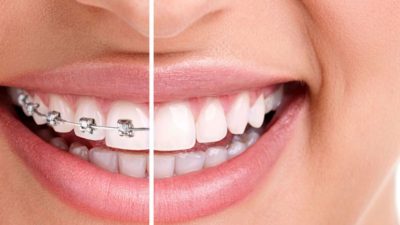
- Whitening, bonding, or veneers improve the way your teeth look
- Correct bite and smooth edges make chewing easier and speech clearer
Research from the National Institutes of Health links oral health with mental health and social well-being.
When you feel safe opening your mouth, you speak up more in class, at work, and at home. Children smile more in photos. Teens hide their faces less. Adults feel more ready for job talks and meetings.
4. Earlier detection of serious health problems
Regular dental visits are often the first time a serious condition shows. Dentists look at your whole mouth. That includes your tongue, cheeks, and gums. They can see signs of infection, anemia, or oral cancer.
Combined care gives more chances to notice change. When you come in only for pain, disease may already be deep. When you come in for cleanings and cosmetic work, your dentist sees you more often. That makes it easier to spot three kinds of warning signs.
- Sores that do not heal
- Gum changes such as swelling or color shifts
- Loose teeth or bone loss that may link to other health problems
Early detection means simpler treatment and better survival. It also means less time in a chair and more time living your life.
How to plan your own combined care
You do not need a full smile makeover. You can start small and steady.
Use this three step plan.
- Schedule a full exam and cleaning with X-rays if you have not had them in the last year
- Ask your dentist to list health needs first, then simple cosmetic options second
- Pick one or two goals for the next year, such as fewer cavities, whiter teeth, or smoother edges
Then build a simple routine at home.
- Brush two times a day with fluoride toothpaste
- Clean between teeth every day with floss or another tool
- Limit sugary drinks and snacks between meals
Small choices add up. Regular visits plus one or two smart cosmetic steps can protect your health, your budget, and your peace of mind. You deserve a smile that feels strong, looks natural, and lets you face each day without fear or shame.





Comments