
 By
By 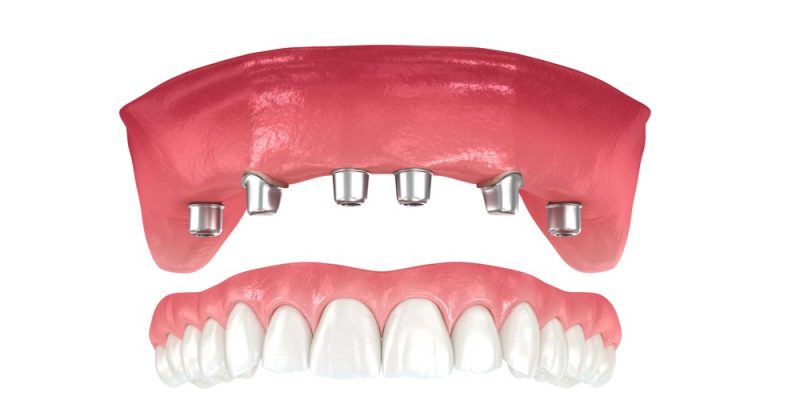
You may feel tired of loose dentures or a missing tooth that keeps you from eating or speaking well. Mini implants can offer a smaller, simpler option that fits your life. They use a narrow post that a dentist places through the gum into the bone. Then a crown or denture attaches on top. Many people who cannot get standard implants can still qualify for mini implants. You may have thin jawbone, health limits, or money concerns. Mini implants can still help. They often need less healing time. They also use a gentler process. A Lodi family dentist can review your mouth, your health, and your goals. Then you can decide if mini implants match your needs. This blog explains four clear benefits so you can ask better questions and feel strong during your next dental visit.
What Are Mini Implants
Mini implants use a thin titanium post with a ball at the top. A small socket or ring in your denture or crown snaps onto that ball. The post sits in your jaw and acts like a tooth root.
Standard implants use a thicker post and often need more bone. Mini implants take up less room. This gives you another path when bone or health limits stand in the way of standard implants.
You still need a full exam and X rays. You also need clean gums. Your dentist will check for signs of gum disease or bone loss. These steps protect you from pain and infection.
Benefit 1: Less Invasive Treatment
Many people fear long dental work. Mini implants often ease that fear. They usually need a smaller opening and fewer visits.
Here is a simple comparison.
|
Feature |
Standard Implant |
Mini Implant |
|---|---|---|
|
Post width |
About 3 to 6 mm |
About 1.8 to 3 mm |
|
Size of opening in gum |
Larger |
Smaller |
|
Bone needed |
More bone |
Less bone |
|
Common use |
Single teeth or bridges |
Dentures or small teeth |
A smaller post often means less stress on the body. This can matter if you take blood thinners or have health limits. The goal is still the same. You want a strong tooth that lets you chew and speak.
Benefit 2: Faster Healing And Recovery
Most people want to get back to work, school, and family care. Mini implants often help you heal in less time.
Many patients can:
- Eat soft food the same day
- Use their denture with new support soon after placement
- Return to daily tasks within a short time
You still need to follow care steps. These often include:
- Rinse with salt water to keep the mouth clean
- Use a soft toothbrush near the implant
- Avoid hard or sticky food at first
Clean habits lower the risk of infection. The Centers for Disease Control and Prevention explains how mouth germs affect health on its oral health conditions page. Strong daily care protects your new implant and your whole body.
Benefit 3: Support For Loose Dentures
Loose dentures can cause sore spots and fear of public slip-ups. Mini implants can lock a denture in place so it stays steady when you talk or chew.
Here is how that support works.
- The dentist places several mini implants in the jaw
- The denture gets small sockets that match the ball tops
- The denture snaps onto the balls and stays fixed
This can give you three clear gains.
- Better chewing so you can eat more types of food
- Clearer speech so words do not sound slurred
- Less rubbing on the gums, which can cut pain
Many people who have worn loose dentures for years feel new calm once the denture stops moving. You may feel more sure at meals, work events, and school events.
Benefit 4: Option For People With Less Bone Or Health Limits
Standard implants often need bone grafts when the jaw is thin. That adds cost and time. Mini implants sometimes avoid that step. The narrow post can fit into a bone that would not hold a wider post.
Mini implants may help if you:
- Lost teeth many years ago, and the bone shrank
- Have health limits that make long surgery unsafe
- Need a more modest cost choice
Every mouth is unique. You still need a full review of your health, your medicines, and your past care. Your dentist may speak with your doctor if you have heart disease, diabetes, or blood problems. This team approach lowers risk and helps you plan.
Who Is A Good Candidate
You may be a good match for mini implants if you meet three basic criteria.
- You miss one or more teeth or have loose dentures
- Your gums are free of active infection
- You can keep up with daily brushing, flossing, and cleanings
The dentist will also review X-rays, bite, and jaw movement. The goal is to see if mini implants will last and stay safe. If not, other choices like partial dentures or different implants may fit better.
Next Steps
If you think mini implants might help, write down your main concerns. These may include pain, cost, time off work, or fear. Bring this list to your Lodi family dentist. Ask clear questions such as:
- Am I a good candidate for mini implants
- How many implants would I need
- What are the risks in my case
- How long should my mini implants last with good care
A direct talk with your dentist can remove doubt. You deserve teeth that let you eat, speak, and smile with calm strength. Mini implants may offer that path when other choices feel out of reach.






Comments