
 By
By 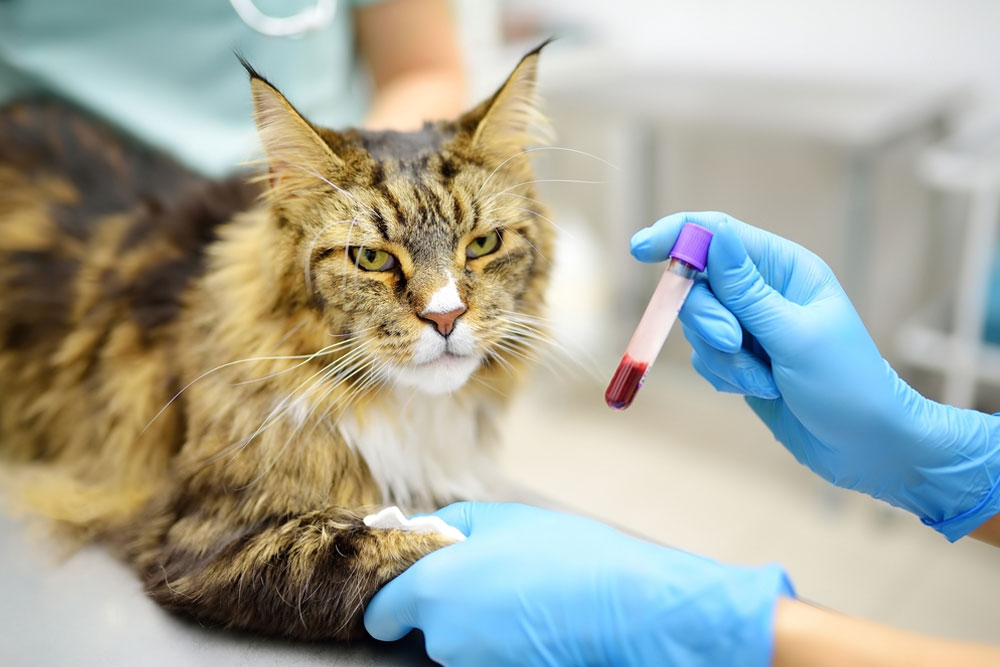
When your pet is sick, waiting for answers hurts. You want clear results, fast action, and a plan you trust. In-house labs at veterinary hospitals give you that. You do not wait days for a call. You get blood work, urine tests, and many other results during the same visit. That speed can save a pet’s life. It also lowers stress for you. You leave with facts, not fear. In-house labs also help your veterinarian spot small changes early. That means treatment can start sooner and often costs less. You avoid extra trips, extra bills, and extra worry. If you see a veterinarian in South Houston or anywhere else, in-house lab testing can change the whole experience. You stay informed. Your pet gets steady care. Your visit becomes a focused talk about clear numbers, real options, and the next three steps.
1. Faster answers when every minute counts
Time matters when a pet stops eating, starts vomiting, or has trouble breathing. Every hour without answers feels like a weight on your chest. In-house labs cut that wait.
With lab machines inside the hospital, the team can run common tests right away. These include:
- Complete blood count
- Blood chemistry tests for liver and kidney function
- Electrolyte checks
- Urinalysis
- Basic infection screens
You sit in the exam room while samples go straight to the lab. Then the doctor walks back with numbers, not guesses. That means your pet can get fluids, medicine, or more tests during the same visit. No long gap. No quiet house while you wait for a phone call.
The U.S. Food and Drug Administration explains that lab tests guide diagnosis and treatment for both people and animals.
2. Clearer decisions and closer monitoring
Good care depends on clear data. In-house labs give your veterinarian a steady stream of numbers that show how your pet is doing today, not last week.
This helps in three big ways.
- Early warning. Small shifts in kidney values or red blood cell counts can warn of trouble before your pet looks sick at home.
- Safer treatments. Blood work before surgery or new medicine checks that the organs can handle the plan.
- Ongoing tracking. Pets with diabetes, thyroid disease, or kidney disease need repeat tests. In-house labs make that easier.
When results come back during your visit, you and the doctor can look at them together. You can ask what each number means. You can weigh the choices in real time. That shared review builds trust. It also lowers fear, because you see proof, not guesswork.
For example, if your dog takes arthritis medicine, regular blood tests, watch liver and kidney values. If numbers creep up, the doctor can adjust the dose or change drugs before real harm starts. The American Veterinary Medical Association explains that routine testing helps catch hidden disease and protect long-term health.
3. Fewer visits and more control over costs
Every extra visit means more time off work, more gas, and more stress for your pet. In-house labs cut repeat trips by bringing many steps into one appointment.
Here is how that helps you manage money and time.
- One visit for exam, tests, and plan
- Fewer follow-up visits only for lab work
- Faster changes to treatment when needed
That tighter schedule often keeps costs more predictable. You can see the test price, the result, and the treatment choice in a single visit. You do not face surprise changes days later when an outside lab calls back with new numbers.
Comparing in-house labs and outside labs
The table below shows key differences between in-house testing and outside reference labs.
|
Feature |
In House Lab |
Outside Lab |
|---|---|---|
|
Typical turnaround time |
Minutes to a few hours |
One to three days |
|
Number of visits needed |
Often one visit for test and plan |
Often two visits or a phone follow-up |
|
Best use |
Urgent cases and routine checks |
Special tests and complex panels |
|
Stress for pet |
Less, fewer trips and faster answers |
More, extra trips or longer worry time |
|
Cost control |
Clear cost during same visit |
Possible changes after results return |
Outside labs still matter. They handle rare tests and some advanced checks. Yet for most sick visits and routine care, in-house labs give your pet faster support and give you sharper control.
How you can use in-house lab options wisely
You do not need a medical background to use lab testing well. You only need three steps.
- Ask what tests the clinic can run in-house and how long they take.
- Ask how each test will change the plan for your pet today.
- Ask when repeat testing is needed and why.
When you know these answers, you can choose tests that matter most for your pet and your budget. You also gain a clearer picture of what to watch for at home.
Every test is a tool. Used well, in-house labs give you quicker answers, steadier monitoring, and fewer painful waits. That means more quiet nights, more steady days, and more time with the animal who trusts you.





Comments