
 By
By 
Healthy gums protect your teeth, speech, and daily comfort. Gum disease often grows in silence. You may notice bleeding when you brush, a sour taste, or bad breath. These are early warnings. Ignoring them can lead to loose teeth, painful infections, and expensive treatment. The good news is that you can stop most gum problems before they start. You do not need special tools or complex routines. You need steady habits and the right support. This blog shares six clear preventive dentistry practices that keep your gums strong and pain free. You will see how to clean your mouth, what to watch for, and when to get help. You will also learn how regular visits for Family dentistry in Mississauga Ontario can spot early damage and protect your smile. Your gums matter every time you eat, talk, or laugh. Treat them with the same care you give your heart.
1. Brush your teeth with care two times each day
You clean your gums every time you brush. The goal is to clear soft plaque before it hardens. Short, gentle strokes along the gumline work best.
- Brush two times each day for two minutes
- Use a soft bristle toothbrush
- Aim the bristles at the line where teeth and gums meet
Hard scrubbing can cut the gums and wear away the tooth surface. Slow, steady brushing cleans better than force. The Centers for Disease Control and Prevention explains that plaque that stays on teeth can lead to gum disease. Your daily brushing breaks that chain.
2. Clean between teeth every day
Your toothbrush cannot reach between teeth. Food and plaque stay trapped. That trapped layer irritates the gums. Over time, you can lose bone and teeth.
You can use
- Dental floss
- Small interdental brushes
- Water flossers if your dentist suggests them
Slide floss between teeth. Then curve it around each tooth like a C and move it up and down. You may see light bleeding the first few days. That often shows your gums are inflamed. Keep going. Gums often stop bleeding once swelling settles.
3. Use fluoride toothpaste and simple mouth rinse
Fluoride makes tooth enamel harder. Strong teeth support healthy gums. Soft or broken enamel traps more plaque at the gumline.
Choose toothpaste that
- Shows fluoride on the label
- Has a simple taste you can use every day
- Does not feel harsh on your mouth
You can also use an alcohol free mouth rinse. That helps wash out food and lowers the number of harmful germs. The National Institute of Dental and Craniofacial Research notes that daily care with fluoride helps prevent gum disease and tooth decay together.
4. Eat and drink in ways that support your gums
Your gums need steady nutrients. They also need a break from sugar and acid. What you eat all day matters more than any single snack.
Choose more
- Plain water
- Fresh fruits and vegetables
- Plain dairy or fortified drinks
- Lean protein such as beans, fish, or eggs
Limit
- Sugary drinks including juice and soda
- Sticky sweets that cling to teeth
- Frequent snacking between meals
Each time you eat or drink sugar, germs in your mouth make acid. That acid attacks teeth and gums for many minutes. Fewer sugary breaks mean fewer attacks.
5. Quit tobacco and watch alcohol use
Tobacco hurts your gums in quiet ways. It weakens blood flow, hides bleeding, and slows healing. You can have deep gum disease with few early signs if you smoke or chew tobacco.
Alcohol dries your mouth. A dry mouth feeds gum problems. Heavy alcohol use also raises oral cancer risk. That risk grows if you use tobacco and alcohol together.
Steps that help include
- Talking with your primary care team about quit aids
- Joining a quit line or support group
- Limiting alcohol to social events and spacing drinks with water
Every day without tobacco helps your gums recover. Even long-time users see gains when they quit.
6. Schedule regular dental checkups and cleanings
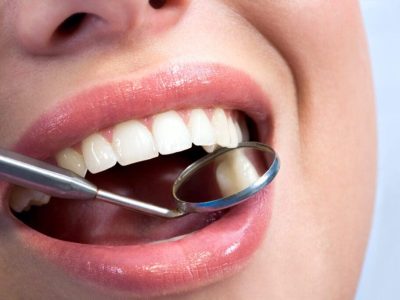
You can do many things at home. You still need regular cleanings. Hardened tartar sticks to teeth, and only trained dental staff can remove it safely.
During a checkup, your dental team will
- Measure the depth of the space between teeth and gums
- Check for bleeding, swelling, and loose teeth
- Clean away tartar above and below the gumline
Routine care is more effective after treatment. Early gum disease often responds to a deep cleaning and better home care. Late-stage disease may need more complex treatment. Regular visits catch problems while they are still easier to treat.
Simple daily habits that protect your gums
The table shows how three common habits compare for gum health support.
|
Habit |
How often |
Main benefit for gums |
What happens if you skip it |
|---|---|---|---|
|
Tooth brushing |
Two times each day |
Removes plaque along the gumline |
Soft plaque hardens into tartar that irritates gums |
|
Cleaning between teeth |
One time each day |
Cleans tight spaces that trap germs |
Hidden plaque causes silent gum damage |
|
Dental checkup and cleaning |
Every six to twelve months |
Removes tartar and spots early disease |
Small problems grow into painful infection and tooth loss |
When to seek help right away
Call a dentist soon if you notice
- Gums that bleed often when you brush or floss
- Gums that look red, puffy, or shiny
- Teeth that feel loose or shift in your mouth
- Persistent bad breath or bad taste
- Sores on your gums that do not heal
These signs are common. They also signal real damage. Quick care lowers pain, cost, and stress for you and your family.
Protect your gums for life
Your gums hold your teeth in place. They shape your smile and support clear speech. Simple, steady habits give them the care they need. Brush. Clean between teeth. Eat for mouth health. Avoid tobacco. See your dentist on a regular schedule. These steps form a strong base for healthy gums at every age.









Comments