
 By
By 
Your mouth does more than chew. It shapes every word you speak. When teeth, tongue, and jaw do not work together, speech can sound unclear. You might feel shame. Your child might feel alone. Family dentistry can help. Yet many families never hear that speech therapy belongs in the same care plan as fillings and cleanings. This gap can slow progress and keep problems hidden. When your dentist and speech therapist work as one team, you see faster gains, fewer repeat visits, and stronger results that last. You also gain clear steps. You know what to do at home. You know what to expect at each visit. This is true for routine care and for complex work with an implant dentist in San Antonio, TX. When your family treats speech and teeth as one system, you protect health, confidence, and daily life.
How Teeth and Speech Connect
Speech sounds clear when teeth, lips, tongue, and jaw move in a steady pattern. If one part sits out of place, sound changes. You may hear lisping, mumbling, or slurring.
Common dental issues that affect speech include three patterns.
- Crowded or missing teeth that change how air flows
- Overbite or underbite that shifts tongue position
- Tongue tie that limits tongue movement
Children often get blamed for “lazy speech”. Adults often feel judged for “mumbling”. In many cases, the mouth structure gets in the way. You cannot fix structure with practice alone. You need dental care and speech work at the same time.
The National Institute of Dental and Craniofacial Research explains how tooth loss and decay affect daily function. Speech is one of those functions. When you treat teeth and speech together, you remove both sound and structure barriers.
Why Your Family Dentist Should Talk About Speech
Your dentist sees your mouth more often than any other provider. You trust that person with pain, injury, and routine care. That makes the dental visit the right time to raise speech concerns.
You and your child should feel safe asking three simple questions.
- Could my teeth be affecting how I speak
- Do you see anything that might cause a lisp or unclear sound
- Can you refer me to a speech therapist who works with dentists
Many dentists already screen for tongue tie, bite problems, and mouth breathing. When they share those findings with a speech therapist, your treatment plan becomes clear. You stop guessing. You stop trying one thing at a time. You move in one direction.
When to Consider Adding Speech Therapy
You do not need to wait for a crisis. You can ask for speech support at three key moments.
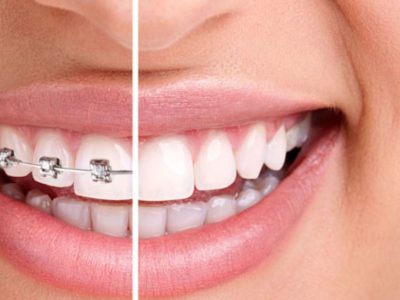
- Before braces or other orthodontic work
- Before or after tooth removal or replacement
- When your child starts school, and speech issues stand out
Speech therapy can help you learn new sound patterns before your teeth move. It can also help you adjust to new teeth, so you do not form hard habits that are tough to break later.
The American Speech-Language-Hearing Association outlines typical speech growth for children. If your child’s speech does not match that path and you also see dental issues, a joint plan with your dentist and a speech therapist can speed progress.
Joint Care Compared to Separate Care
Many families try speech therapy or dental care alone. Joint care often gives stronger results. The table below shows key differences.
|
Care Type |
What You Get |
Common Results |
|---|---|---|
|
Dental care only |
Cleanings, fillings, braces, implants |
Healthier teeth, ongoing speech issues |
|
Speech therapy only |
Sound practice and tongue exercises |
Some speech gains, relapse when structure stays the same |
|
Joint dental and speech care |
Aligned treatment goals and shared progress checks |
Clearer speech, stable bite, fewer repeat visits |
Joint care respects your time, money, and energy. You repeat fewer tests. You get fewer mixed messages. You gain one story about what is happening and what comes next.
What a Combined Treatment Plan Can Look Like
A strong plan follows three steps.
- Assessment by both dentist and speech therapist
- Shared goals for speech and mouth function
- Home practice that matches dental work
For a child with a lisp and crowded teeth, the dentist may start with space-making. The speech therapist may teach tongue placement for the S and Z sounds. You then practice those sounds at home while the teeth shift into better spots.
For an adult who receives a dental implant, the dentist restores chewing and biting. The speech therapist then helps adjust tongue touch on the new tooth. You practice key words that once felt hard. Over time, speech sounds more natural. You feel less strain.
How Parents and Caregivers Can Support Progress
Your support at home matters. You do not need special training. You only need clear steps and steady follow-through.
Three daily habits can help.
- Use the practice words or sentences your therapist gives you
- Keep dental follow-up visits on schedule
- Notice small changes in speech and comfort and share them
Children watch how adults react. When you stay calm and firm, your child learns that speech and dental care are normal parts of health, not signs of failure.
Talking With Your Dental Team Today
You can start this shift at your next checkup. You can say three clear things.
- I have concerns about speech and want your thoughts
- I would like a referral to a speech therapist you trust
- I want our care plans to support each other
Your dental team should listen and respond with respect. If they do not, you can seek another dentist who sees speech and oral health as linked. Your voice and your child’s voice deserve that care.







Comments