
 By
By 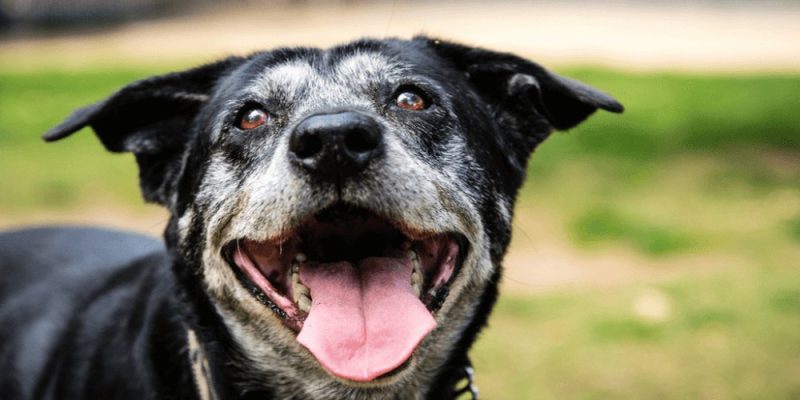
You might be looking at your dog and wondering when they stopped being that wobbly puppy and turned into the soul who follows you from room to room. Or maybe you are on the other side of the story, watching a beloved senior slow down and feeling that mix of love, worry, and “am I doing enough.” It can be a lot. Whether you’re navigating these moments on your own or with the help of a vet in Los Altos, dog care is simple in theory, yet in real life, it is a string of decisions that never feel small.end
Because of this, you might be asking yourself how to give your dog the right care at the right time. How often should they see a general veterinarian? Which vaccines still matter? When to worry about limping or weight gain. This guide walks you through veterinary care for every life stage, from tiny paws to gray muzzles, so that you can feel more prepared and less alone with those questions.
In short, the goal is this. Puppies need frequent visits and strong prevention. Adult dogs need steady monitoring and lifestyle adjustments. Seniors need closer watching, earlier testing, and gentle comfort. Once you understand what each phase asks of you, the whole picture feels more manageable.
Why does life stage care matter so much for your dog’s health?
At first, it can feel like “a vet visit is a vet visit.” You go in, they get some shots, you go home. But dogs change quickly. What a 4-month-old puppy needs is very different from what a 9-year-old dog needs. Treating them all the same means you might miss early warning signs or spend money on things that no longer help.
Veterinary groups have mapped out these stages in detail. The American Animal Hospital Association’s Canine Life Stage Guidelines and this practical life stage toolkit show how care should shift as your dog grows. The ASPCA also offers an easy visual overview of dog life stages in this dog life stages infographic. Once you see it laid out, it becomes clear. There is no “one size fits all” schedule.
So, where does that leave you? It means your job is not to have all the answers. Your job is to understand enough about each stage that you can ask better questions and work with a trusted general veterinarian as a partner, not as a last resort.
From puppy chaos to senior worries, what really changes over time?
Think of your dog’s life in four broad chapters. Puppy, young adult, mature adult, and senior. Each chapter brings its own mix of joy and stress.
Puppies. This is the whirlwind. You are dealing with house training, chewing, and maybe crying at night. On the medical side, puppies need a series of vaccines, parasite checks, and early discussions about spaying or neutering. The hard part is that everything feels urgent. A loose stool, a skipped meal, a strange cough. You may worry you are overreacting or underreacting at the same time.
Young adults. Once the puppy shots are done, many people relax. Sometimes a little too much. These are the “I think my dog is fine, we only go in for shots” years. Yet this is when weight starts to creep up, behavior issues can set in, and early dental problems begin. Because your dog seems healthy, it is easy to postpone visits and miss subtle shifts.
Mature adults. Around middle age, your dog might still act like a puppy at the park, but their body is quietly changing. Joints can start to ache. Metabolism slows. Certain cancers and organ diseases become more likely. You might notice they take longer to recover after a long hike or seem stiff when they get up. This is where consistent checkups and early bloodwork can change the story, not just for years, but for quality of life.
Seniors. This is often the most emotionally loaded chapter. You might be watching your dog sleep more, struggle on stairs, or have accidents in the house, and wonder if it is pain, confusion, or “just aging.” There is a real fear of bad news, which can make it tempting to avoid the clinic. Yet senior visits are where a life stage-based vet care plan makes the biggest difference. Many problems can be eased or slowed if they are caught early, and even when they cannot, you gain tools to keep your dog comfortable and dignified.
The tension through all these stages is the same. You want to do right by your dog, but you also have to balance time, money, and the emotional toll of worrying. That is why understanding what matters most at each phase can help you use your energy and budget where they count.
How does care shift from one stage to the next?
The AAHA guidelines and similar resources show that visits are not just about vaccines. They are about tailoring care to age. Here is a simplified comparison to give you a clearer picture of how needs change over time.
|
Life Stage |
Typical Vet Visit Frequency |
Key Medical Focus |
What You Can Watch At Home |
|---|---|---|---|
|
Puppy (0 to about 12 months) |
Every 3 to 4 weeks until vaccine series is complete |
Vaccines, deworming, parasite prevention, growth, behavior, spay/neuter planning |
Appetite, stool, social behavior, house training, chewing and biting patterns |
|
Young Adult (about 1 to 3 years, size dependent) |
Once a year for healthy dogs |
Booster vaccines, flea/tick and heartworm prevention, weight, early dental care |
Body condition, energy level, anxiety, reactions to new people or dogs |
|
Mature Adult (about 4 to 7 years or earlier for large breeds) |
Once a year, sometimes every 6 months for at-risk dogs |
Screening bloodwork, joint health, early organ and endocrine disease checks |
Stiffness, drinking and urination changes, subtle behavior shifts, new lumps |
|
Senior (around 7+ years, earlier for giant breeds) |
Every 6 months is often advised |
More frequent bloodwork, pain control, cognitive changes, cancer screening |
Disorientation, house soiling, difficulty with stairs, breathing changes, weight loss |
This table is a guide, not a rulebook. Breed, size, and past health issues can shift the timing. That is where your relationship with a general veterinarian matters. They can look at your specific dog and help you decide when to move from “young adult” habits to “senior” habits, which does not always match the calendar birthday you might expect.
What can you do right now to support your dog at any age?
When you are already overwhelmed, big plans can feel impossible. So start small, with steps that give you clarity and control.
1. Map your dog’s current life stage and needs
Consider their age, size, and breed. A 6-year-old Great Dane is not the same as a 6-year-old Chihuahua. Once you know the stage, jot down three questions you have for your vet. For example. “Is my senior dog in pain?” or “Are these vaccines still necessary every year?” Going in with specific questions makes each visit more useful and less stressful.
2. Set a realistic checkup rhythm with your veterinarian
If it has been more than a year since your dog’s last wellness visit, schedule one and be honest about your worries and your budget. Ask the clinic what they recommend for your dog’s stage, then work together to prioritize. Maybe bloodwork is more important this year than an optional vaccine. Maybe a senior dog needs two smaller visits instead of one long one. A good general veterinarian will help you create a plan that fits your life instead of handing you a rigid list.
3. Create a simple home “health log”
You do not need anything fancy. A notebook or phone note works. Once a week, jot down your dog’s weight if you can, appetite, drinking, energy, and any new behavior or physical changes. For seniors, also note confusion, nighttime pacing, or accidents in the house. This log becomes incredibly helpful at appointments. Instead of saying “it feels like he is slower,” you can show that it has been changing over 3 months. That level of detail can shift a vet’s decision from “watch and wait” to “let us check this now.”
Staying present through every chapter of your dog’s life
Caring for a dog from puppyhood to old age is both a gift and a weight. There will be moments when you feel guilty, or afraid you missed something, or scared of what the next test might show. Those feelings are normal. They are a sign of how deeply you care, not of failure.
The good news is that you do not have to figure it all out at once. By understanding from puppies to seniors veterinary care for every life stage, asking clear questions, and keeping a gentle eye on changes at home, you are already doing the single most important thing. You are paying attention.
If you feel stuck, your next step is simple. Reach out to your regular clinic and ask for a life stage-focused wellness visit. Bring your questions, your observations, and your hope that there is more you can do. There usually is, and it often starts with a conversation.







Comments