
 By
By You might be feeling a little uneasy right now. Maybe your dog has been scratching more than usual, or your cat suddenly has an upset stomach, and your mind goes straight to the worst case scenarios. You care about your pet, and you try to do the right things, but the world of parasites, preventives, vet wellness plans in Maple Valley, and veterinary advice can feel confusing and easy to put off for another day.
That hesitation is completely human. Life is busy, budgets are tight, and if your pet seems mostly fine, it is tempting to hope everything will just work itself out. Yet there is a quiet truth many pet owners discover only after a scare. Skipping or delaying parasite prevention often costs more worry, more money, and more heartache than taking steady, simple steps early.
Here is the short version. Parasite prevention is about protecting your pet from pain, protecting your family from disease, avoiding big medical bills, and preserving your peace of mind. It does not have to be complicated, and you do not need to be perfect. You just need a clear plan and the willingness to follow it most of the time.
So where does that leave you, standing between concern for your pet and concern for your wallet and schedule?
Why does parasite prevention matter if my pet “looks fine” right now?
One of the hardest parts of this topic is that parasites often stay hidden until the damage is already serious. A dog with heartworms can look normal for months. A cat with intestinal worms may just seem a little quieter or thinner. Fleas can be present in small numbers that you never see, yet still lay hundreds of eggs in your home.
Because of that, it is easy to think “If I do not see anything, there is nothing to worry about.” The problem is that by the time you see obvious signs, the treatment is usually longer, more expensive, and harder on your pet.
Consider a few “what if” situations that many families face.
- You skip heartworm prevention for a year because your dog seems healthy. A year or two later, your dog starts coughing and tiring easily. Testing shows heartworm disease, and now you are looking at months of strict exercise restriction and a treatment plan that can be several hundred to over a thousand dollars, with real medical risks.
- Your indoor cat never goes outside, so you stop using flea and tick control. A visiting dog brings in fleas. Within weeks, the fleas are in your furniture, your carpets, and your cat is losing hair and developing scabs from constant scratching.
- Your child plays on the floor where the dog sleeps. The dog was never dewormed regularly. Some intestinal parasites that live in pets can affect people, which is one reason resources like the CDC’s guidance on healthy pets and people exist. It is not about fear. It is about quiet, steady prevention.
These are not rare horror stories. They are everyday situations that many veterinarians see each week. That is why a good pet parasite control plan is treated as routine care, not an optional extra.
5 reasons parasite prevention should never be an afterthought
So why does this matter so much, beyond just avoiding “bugs” on your pet?
1. Parasites can cause serious, sometimes permanent, health problems
Fleas, ticks, heartworms, and intestinal worms do much more than cause itching or a mild upset stomach. They can lead to anemia, organ damage, chronic pain, and in some cases, death. Heartworm disease in dogs and cats affects the heart and lungs. Certain tick-borne diseases can cause kidney failure or lifelong joint issues. Once that damage is done, it cannot always be fully reversed.
2. Treating disease often costs far more than preventing it
Prevention is usually a modest monthly expense. Treatment is often hundreds or thousands of dollars, not counting the emotional cost of watching your pet struggle. The FDA has a clear reminder of this in its message that “an ounce of prevention is worth a pound of cure” when it comes to year-round heartworm protection. The same logic applies to fleas, ticks, and intestinal parasites.
3. Some pet parasites can affect people too
Most pet parents are surprised to learn how closely their own health is tied to their pet’s parasite status. Certain roundworms and hookworms can infect humans. Some tick-borne diseases can be carried into the home on your dog. Good *parasite prevention for dogs and cats* is really about protecting the whole household, especially children, older adults, and anyone with a weaker immune system.
4. Infestations are hard to fully clear once they are established
Think about fleas in a home. What you see on your pet is only a small part of the problem. Eggs, larvae, and pupae live in carpets, bedding, and cracks in the floor. It can take months of cleaning, repeated treatments, and follow up to fully break the cycle. Many families describe it as exhausting. Regular prevention helps you avoid that spiral altogether.
5. A simple routine brings peace of mind
When you have a clear plan from your veterinarian, and you know your pet is on a reliable product, something shifts. Your background worry eases. You are no longer scanning every scratch or loose stool with anxiety. Instead, you know you are doing what you reasonably can, and that is often the difference between constant low-level stress and quiet confidence.
Is prevention really worth it compared with “wait and see”?
You might still be weighing the cost and effort of regular prevention against the chance that nothing bad will happen. That is understandable. To make this more concrete, it can help to see the comparison side by side.
| Approach | Short term cost | Long term risk | Impact on pet | Impact on home and family |
|---|---|---|---|---|
| Consistent parasite prevention | Predictable monthly cost for medications | Lower risk of serious disease and infestations | More comfort, less itching, better overall health | Lower chance of parasites in the house or affecting people |
| “Wait and see” with no routine prevention | Little or no upfront expense | Higher chance of heartworm, flea or tick-borne disease, and heavy worm loads | Greater risk of pain, organ damage, or even life-threatening illness | Higher chance of household infestation and possible human exposure |
| Occasional, inconsistent prevention | Irregular spending, often wasted if doses are skipped | Protection gaps during peak seasons or travel | On and off relief, with ongoing vulnerability to infection | Harder to predict or control parasite presence in the home |
When you see it laid out this way, the steady path tends to look less like an “extra” and more like a basic part of caring for a cat or dog, just like food and water.
What can you do right now to protect your pet from parasites?
You do not need to overhaul everything at once. A few clear, focused steps can put you in a much safer place.
1. Schedule a parasite check and prevention review
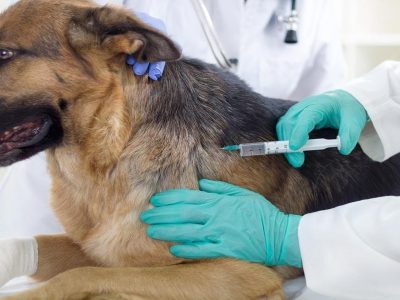
Start with a visit or at least a conversation with your general veterinarian. Ask for a stool test for intestinal worms and a heartworm test if your pet is due. Bring up any past reactions to medications, your pet’s lifestyle, and your budget. The goal is a tailored plan, not a shelf full of products you will not use.
2. Choose prevention you can realistically stick with
The best product is the one you can give consistently. Some pets do well with monthly chewables. Others need topical treatments. In some regions, year-round protection is strongly recommended. In others, there may be a true “off season.” Work with your veterinarian to choose a schedule that fits your life so you are not constantly forgetting or falling behind.
3. Support prevention with simple home habits
Medication is only part of the picture. Wash pet bedding regularly. Vacuum areas where your pet spends time. Pick up feces in the yard promptly. Use year-round tick checks after walks or hikes. These small habits support your overall parasite control plan and make each dose of prevention more effective.
Moving forward with more confidence and less worry
If you are reading this with a mix of concern and relief, that is a good sign. It means you care enough to look for better answers, and you are starting to see that parasite prevention is less about fear and more about steady, thoughtful care.
You do not have to be perfect. You just need a clear plan, a partnership with a trusted general veterinarian, and the willingness to act before problems snowball. Your pet gets a safer, more comfortable life. You get fewer nasty surprises and a calmer mind.
Your next small step can be as simple as calling your veterinary clinic and saying, “I want to make sure my pet is protected from parasites. Can we review what they need this year?” From there, you and your veterinarian can build a plan that feels realistic and reassuring, so parasite prevention becomes one less thing you have to worry about.







Comments