
 By
By 
You want your child to avoid pain, miss fewer school days, and grow up with strong teeth. Home habits shape that outcome long before a dental visit. Daily choices about brushing, snacks, and drinks either protect your child or slowly damage their mouth. Cavities, gum infections, and early tooth loss often start quietly. By the time you notice a problem, your child may already feel shame or fear. You can stop that pattern. Simple, steady steps at home cut risk and support every cleaning and exam with your family dentist in Edison, NJ. This blog explains four practical strategies you can start today. Each one fits real life, even on rushed mornings and tired nights. You will see how to guide your child, set firm limits, and create a routine that feels safe. Your effort now saves your child from avoidable treatment later.
1. Build a No‑Negotiation Brushing and Flossing Routine
Brushing and flossing are your strongest tools. They clear food, sugar, and bacteria before those things cause harm. Children often fight routines. Your job is to remove the choice.
Use three clear steps.
- Set fixed times. Brush in the morning and before bed. Floss once a day.
- Use a timer. Aim for 2 minutes of brushing. Many children stop after 30 seconds.
- Stay beside your child. Help them reach every tooth until at least age 7 or 8.
The Centers for Disease Control and Prevention reports that cavities are the most common chronic disease in children. Routine care at home cuts that risk. You do not need fancy tools. You need clear rules and calm follow through.
2. Protect Teeth with Smart Fluoride Use
Fluoride makes tooth enamel harder. It helps repair early damage before a cavity forms. Many children do not get enough fluoride. Some get too much from swallowing toothpaste. You can strike the right balance.
Use these simple rules.
- For children under 3, use a smear of fluoride toothpaste. It should be the size of a grain of rice.
- For children 3 to 6, use a pea size amount.
- Teach your child to spit, not rinse, after brushing.
The National Institute of Dental and Craniofacial Research explains that fluoride helps prevent tooth decay across the lifespan. You can ask your dentist if your tap water has enough fluoride. You can ask if your child needs fluoride varnish or supplements. At home you control the toothpaste and the message that fluoride is safe and helpful.
3. Control Sugar and Snack Timing
Sugar feeds the bacteria that cause cavities. The problem grows when teeth face sugar again and again all day. Constant snacks and sweet drinks keep the mouth under attack. You can change that pattern without turning every meal into a fight.
Focus on three actions.
- Limit sweet drinks. Offer water between meals. Save juice for rare treats.
- Serve snacks at set times. Avoid all day grazing.
- Pair sweets with meals. The mouth makes more saliva during meals, which helps clear sugar.
Use this simple table as a guide.
| Snack or Drink | Effect on Teeth | Better Choice |
|---|---|---|
| Fruit snacks or gummy candy | Sticks to teeth and feeds bacteria for a long time | Fresh fruit like apple slices or berries |
| Soda or sports drinks | High sugar and acid that weaken enamel | Plain water or milk at meals |
| Crackers and chips | Break into tiny bits that sit between teeth | Cheese, nuts if age safe, or yogurt |
| Sticky granola bars | Cling to grooves in chewing surfaces | Whole grain toast with peanut butter |
You do not need perfect meals. You need fewer sugar hits and more water. That single change lowers the chance of cavities and helps your child feel more energy during the day.
4. Turn Dental Visits into a Regular Safety Check
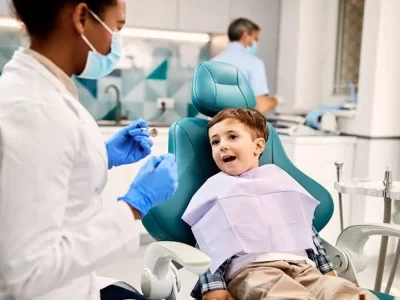
Home care works best when you pair it with routine checkups. Regular visits catch small problems early. They also tell your child that teeth matter and that care is normal, not scary.
Use these three steps to keep visits steady.
- Schedule the next appointment before you leave the office. Treat it like a school day, not a choice.
- Use simple words. Say the dentist counts teeth and cleans them. Avoid words like shot or drill.
- Bring questions. Ask about sealants, fluoride, and any habits like thumb sucking.
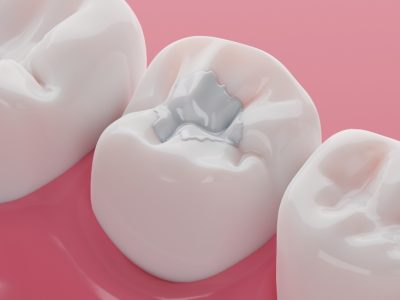
Sealants cover the grooves in the back teeth where food hides. Fluoride varnish adds another layer of defense. These treatments are quick. They support all the work you do at home.
Putting the Four Strategies Together
Preventive care at home does not need special skill. It needs structure and love. You can protect your child by doing three things every day.
- Keep a firm brushing and flossing routine.
- Use fluoride with care and purpose.
- Limit sugar and control snack timing.
Then you support those steps with regular visits to your family dentist. Each small choice adds up. Your child learns that teeth deserve respect. Your child also learns that you will stand beside them, even when they resist. That steady message builds trust and keeps their smile strong for years.







Comments