
 By
By 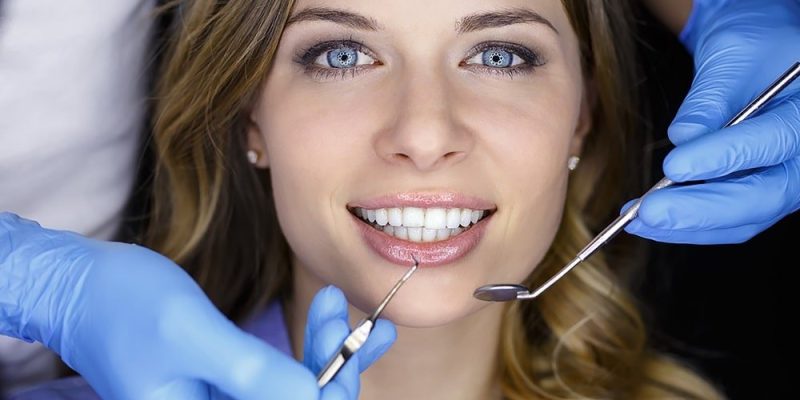
You might be looking in the mirror, feeling a mix of pride and worry. You finally invested in your smile. Maybe you had whitening, veneers, bonding, or Invisalign with a Falls Church dentist, and for the first few weeks you felt unstoppable. Then life happened. Coffee crept back in. You rushed through brushing. You forgot the night guard once or twice. Now you are wondering, “Am I already ruining this?”end
If that sounds familiar, you are not alone. It is completely normal to feel a bit anxious after cosmetic work. You put time, money, and hope into your teeth, and the idea of losing those results can be stressful. The good news is that you have more control than you think. With a few simple habits at home, you can protect your investment and keep your smile looking fresh for years, not just months.
Here is the short version. To maintain your cosmetic dentistry results at home, you need steady daily care, smart choices about food and drinks, protection from grinding and accidents, and regular professional checkups. None of this has to be extreme. Small, consistent steps add up to a smile that still looks new long after the treatment is done.
Why does a “perfect” smile start to fade, and what can you do about it?
Cosmetic treatment often feels like a reset button. Stains are gone, chips are fixed, teeth look straighter and brighter. Then reality steps in. You drink coffee or tea. You enjoy red wine on weekends. You snack at your desk and forget to brush. Maybe you grind your teeth at night because work has been stressful. Over time, those same habits that damaged your natural teeth can also wear on your new smile.
This is where the worry creeps in. You might think, “Did I waste my money?” or “Do I have to live like a monk just to keep my teeth white?” That fear can actually backfire. When you feel overwhelmed, you are more likely to give up and think there is no point trying. The truth is, you do not need perfection. You just need a realistic plan that fits your life.
So where does that leave you? It helps to understand the specific challenges.
Whitening can fade over time, especially if you love coffee, tea, soda, or tobacco. Veneers and bonding can chip if you bite ice or use your teeth as tools. Clear aligners or braces can relapse if you skip retainers. And any cosmetic work can fail early if the gums and bone underneath are not healthy.
Emotionally, that can feel like you are constantly on the verge of “messing it up.” Financially, you might worry that you will need to redo the work long before you are ready. That combination of fear and frustration can be heavy.
The solution is not more fear. It is better habits and honest expectations. Cosmetic dentistry gives you a head start. Home care is how you keep that lead.
What are the biggest at-home choices that affect your smile results?
Think about your day from your teeth’s point of view. Morning coffee. Maybe a snack on the way to work. Lunch at your desk. An energy drink in the afternoon. Dinner, then collapsing into bed too tired to brush carefully. Each of those moments leaves something behind on your teeth. Over time, that buildup can dull whitening, stain bonding edges, and irritate the gums around veneers or crowns.
On top of that, there is the pressure you may not even notice. Nighttime grinding. Clenching when you focus. Chewing on pens during meetings. These habits can slowly wear down even strong porcelain.
The goal is not to remove all joy from your life. It is to protect the smile you worked for, in ways that still feel human and doable. To understand what is realistic to handle at home and what needs professional support, it can help to see a side by side comparison.
Home care vs professional care for cosmetic results: What really matters?
You might be wondering how much you can manage on your own and when you truly need a family and cosmetic dentist to step in. The table below gives a simple comparison.
| Goal | What You Can Do At Home | What Your Dentist Does |
|---|---|---|
| Keep teeth white after whitening | Brush twice daily with fluoride toothpaste. Limit dark drinks or use a straw. Rinse with water after staining foods. Use dentist-approved touch up trays if provided. Learn more from this American Dental Association whitening guide. | Monitor color changes. Provide professional touch up treatments. Check for sensitivity or damage to enamel and adjust your plan. |
| Protect veneers, crowns, or bonding | Avoid biting hard objects like ice, pens, or fingernails. Wear a night guard if recommended. Brush and floss gently around the edges to prevent decay. | Check for small chips or cracks before they grow. Smooth rough edges. Repair or replace damaged work when needed. |
| Prevent gum disease around cosmetic work | Brush twice daily and clean between teeth every day. Consider an electric toothbrush. Follow evidence based tips like those from this oral hygiene resource from NIDCR. | Remove hardened tartar. Measure gum health. Treat early gum inflammation before it affects your cosmetic results. |
| Keep teeth straight after aligners or braces | Wear retainers exactly as instructed. Store them in a case. Clean them gently and avoid hot water that can warp them. | Check fit of retainers. Replace or adjust them if teeth start to shift. Plan refinements if movement returns. |
When you see it laid out, you can notice a pattern. At home, your job is daily protection and prevention. Your dentist’s job is early detection and repair. You need both to keep your cosmetic dental work looking the way you want.
5 practical tips for maintaining your cosmetic dentistry results at home
So what can you start doing today that actually fits into real life, not a perfect one on paper?
- Treat brushing and flossing as non negotiable “insurance” for your smile
Think of your whitening, veneers, or bonding as a car you love. You would not skip oil changes and still expect it to run well. Brushing twice a day with fluoride toothpaste and cleaning between your teeth once a day is the same kind of maintenance for your smile.
Focus on the areas where cosmetic work meets natural tooth. That line is where plaque and stains like to hide. Use a soft bristle brush, gentle pressure, and small circles. If flossing feels awkward, consider floss picks or a water flosser. The tool matters less than the habit you can actually keep.
- Be smart, not strict, about staining foods and drinks
You do not have to quit coffee forever to keep your teeth bright. It helps to understand how stains work. Color from dark drinks and foods can soak into microscopic pores on the surface of your teeth and bonded areas. The more often and the longer they sit, the more they build up.
A few simple shifts can help. Try drinking coffee or tea in one sitting instead of sipping all morning. Use a straw for iced coffee or soda to keep more color away from the front teeth. Rinse your mouth with water after red wine, berries, or tomato sauce. These small changes are much easier to live with than cutting everything out, and they go a long way toward maintaining your cosmetic smile results.
- Protect your teeth from grinding, clenching, and accidents
Even the best porcelain or bonding can chip if it is under constant pressure. Many people grind or clench without knowing it. Morning jaw soreness, headaches, or flattened edges on teeth are common signs.
If your dentist has recommended a night guard, wearing it is one of the most powerful ways to protect your cosmetic work. Keep it by your bed, clean it with cool water and a soft brush, and build the habit like you would wearing glasses to read.
During the day, notice if you chew on pens, ice, or your nails when you are focused or stressed. Those little habits can undo a lot of careful work. Replacing them with something harmless, like squeezing a stress ball, can protect your teeth without asking you to be a different person.
3 things you can do this week to feel back in control
When you are already worried you might have “messed up” your cosmetic work, it helps to have clear, simple steps you can take right away.
Step 1: Do a 7 day reset on your daily routine
For the next week, commit to brushing twice a day for two full minutes and cleaning between your teeth once a day. Use a timer on your phone. Pay special attention to the gumline and the edges of any veneers, crowns, or bonding. You are not trying to be perfect forever. You are proving to yourself that you can care for your smile with intention.
Step 2: Choose one staining habit to adjust, not your whole life
Pick the one thing you know affects your teeth the most. Maybe it is all day coffee, or nightly red wine, or dark soda. For one week, change how you consume it. Use a straw. Rinse with water after. Limit it to a specific time of day. Notice how your teeth look and feel. Small, targeted changes are much easier to keep than total bans.
Step 3: Schedule a checkup and be honest about your concerns
If something feels off, or if you are simply unsure how your cosmetic work is holding up, schedule a visit with your family and cosmetic dentist. Bring your questions. Mention your habits. Ask what they see and what they recommend for home. A short, honest conversation can save you years of quiet worry and help you build a plan that actually fits your life.
Keeping your smile beautiful is a journey, not a test you pass or fail
You invested in your teeth because you wanted to feel more confident, to smile without thinking, to enjoy photos instead of hiding from them. That goal is still within reach. You do not have to be perfect to protect your results. You only need to be consistent and willing to adjust when something is not working.
When you brush with care, make thoughtful choices about staining foods, protect your teeth from grinding, and stay connected with your dentist, you give your cosmetic work the best chance to last. You deserve a smile that still feels new, long after the treatment day is over.
If you are feeling unsure about where your smile stands right now, use this as your nudge to take a small step today. Your future self in the mirror will be grateful you did.






Comments