
 By

You know the feeling. Your pet is off, maybe eating less, scratching more, limping, hiding, or just not acting like themselves, and your mind starts running through every possibility. In that moment, a Yorba Linda veterinarian veterinary clinic is not just a place that gives shots or fills prescriptions. It is the place you trust with a family member who cannot tell you what hurts.
That is why people talk about their vets so personally. They do not recommend a clinic just because it is close by or because the lobby looks nice. They recommend it because the staff listened when they were scared, explained what was happening in plain language, and treated their pet with care that felt real. The short version is simple. Pet owners usually refer others when a clinic combines medical skill, clear communication, fair guidance, and a calm, respectful experience.
Trust grows when a veterinary clinic communicates clearly
One of the biggest reasons people tell others about a clinic is relief. Not relief that every problem was cheap or easy, but relief that someone finally explained things in a way that made sense. If your dog needs bloodwork or your cat needs dental care, you want to know why, what the options are, what it may cost, and what happens if you wait.
Silence creates stress fast. A rushed appointment, vague answers, or a treatment plan with no context can leave owners feeling cornered. That feeling sticks. On the other hand, clinics earn loyalty when they explain next steps clearly and do not make you feel foolish for asking basic questions. That is one of the strongest reasons pet owners recommend their veterinary clinics to others. People remember how they were spoken to when they were worried.
Compassion during hard moments shapes every review and referral
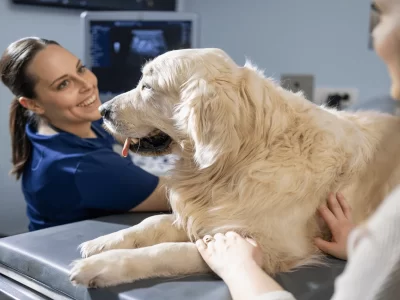
Most pet owners do not forget how a clinic handled a hard day. That could be a sudden illness, a frightening diagnosis, a surgery drop off, or the last visit with an aging pet. Clinical skill matters, but bedside manner matters too. A kind technician who kneels to greet a nervous dog, a vet who pauses long enough for you to process bad news, or a front desk team that handles scheduling with patience can turn a painful day into one that feels supported instead of chaotic.
People share those stories because they know other owners need that kind of care too. Recommendations often come from moments when a clinic showed calm under pressure. That is when trust stops being a marketing phrase and becomes personal.
Preventive care gives pet owners confidence in their animal hospital
Many referrals happen long before an emergency. Clinics that help owners stay ahead of problems tend to build stronger relationships over time. Preventive care visits, vaccine schedules, dental checks, weight management, parasite prevention, and routine screening all help catch issues earlier, when treatment is often simpler and less expensive.
The value is not abstract. A clinic that teaches you what to watch for at home helps you feel less helpless. Virginia Tech’s guidance on pet preventive care outlines how regular exams and prevention reduce health risks before they become bigger problems. Owners notice when a clinic focuses on long term health instead of only reacting when something goes wrong. That steady support is a major reason people recommend a trusted veterinary clinic.
Transparency about costs and options makes veterinary services easier to trust
Money is one of the hardest parts of pet care because the love is simple and the bills are not. Owners often feel guilt from both sides. If they approve testing, they worry about cost. If they hesitate, they worry they are failing their pet. Clinics that handle this well do not pressure or shame. They explain priorities, outline options, and help owners make informed choices based on the pet’s needs and the family’s budget.
That approach matters more than people think. A clinic does not need to be the cheapest to earn referrals. It needs to be honest. The Massachusetts consumer fact sheet for veterinarians and pet owners reflects the kind of transparency people expect, including communication about records, services, and professional standards. When owners feel respected instead of sold to, they are far more likely to recommend that animal hospital to friends and neighbors.
Consistency turns a one time visit into a lasting recommendation
Many clinics can be pleasant on a good day. The ones people rave about are consistent. The phone is answered kindly. Follow up calls happen. Records are organized. Medications are ready when promised. The staff remembers your pet’s quirks. Over time, those details create a sense of safety.
A single good appointment can impress someone. Consistent care builds loyalty. That is often what separates a clinic people use from one they actively promote. When someone says, “You should take your pet there,” they are usually talking about a pattern, not a moment.
What pet owners notice before they recommend a vet clinic
| What Owners Experience | Clinic That Earns Referrals | Clinic That Loses Trust |
|---|---|---|
| Explanation of tests and treatment | Clear reasons, options, and expected outcomes | Vague answers and rushed decisions |
| Handling of anxious or sick pets | Gentle restraint, patience, calm tone | Cold handling or visible impatience |
| Cost discussions | Upfront estimates and practical choices | Surprise charges or pressure |
| Preventive care guidance | Routine planning and education | Reactive care only |
| Follow up after visits | Checks on progress and answers questions | No follow through after treatment |
Simple steps help you choose a clinic worth recommending
Pay attention to how the clinic explains care. During your next visit, notice whether the team explains diagnoses, tests, and treatment choices in plain language. Good communication is often the clearest sign of good care.
Look at the full experience, not one nice moment. A clean exam room matters, but so do scheduling, follow up, staff attitude, and how your pet is handled when stressed. The best pet care recommendations usually come from consistency.
Ask about prevention before there is a crisis. If a clinic helps you build a plan for vaccines, dental care, parasite control, and routine screening, you are more likely to avoid expensive surprises later. That is one of the most common reasons people refer their vet to others.
Strong veterinary care earns word of mouth the old fashioned way
Pet owners recommend clinics when they feel heard, informed, and supported, and when their pets are treated with real care from the front desk to the exam room. That is what creates confidence, especially when emotions are high and decisions are not easy.
If you are weighing your options, look for a clinic that communicates clearly, handles preventive care well, and treats both you and your pet with respect. That is usually the difference between a routine appointment and a place you trust enough to recommend.









Comments