
 By
By 
You might be noticing more scratching, more worry, and more second guessing than usual. Maybe your dog keeps chewing at the base of the tail, or your cat seems fine one day and off the next, and now you are wondering whether a small problem is turning into something bigger. That kind of uncertainty can sit in the back of your mind, especially when parasites are involved, because they affect comfort, health, and sometimes even the people in your home. The short version is this. A veterinary clinic in Port Arthur, TX can help by building a prevention plan that fits your pet’s age, habits, health history, and risk level, then adjusting that plan as seasons, exposure, and symptoms change.
Parasites are easy to underestimate at first. A flea here, a missed dose there, a little stomach upset that seems unrelated. Then the picture starts to change. You may have skin irritation, weight loss, diarrhea, worms, or a home that suddenly feels harder to keep under control. Because of that tension, you might wonder whether prevention is really that different from just treating problems when they show up. In most cases, it is.
Why does parasite prevention matter so much for pets and people?
Parasites are not only a nuisance. They can lead to skin disease, intestinal issues, anemia, and repeat infections that wear pets down over time. Some can also affect people, which is one reason the Centers for Disease Control and Prevention explains how people get parasites and why prevention matters at home as well as at the clinic.
Cats, in particular, can hide discomfort well, which means a parasite problem may be present before you see obvious signs. The CDC also shares practical guidance on staying healthy around cats, and that advice points to something many pet owners learn the hard way. Good care is not just about reacting to symptoms. It is about lowering risk before symptoms start.
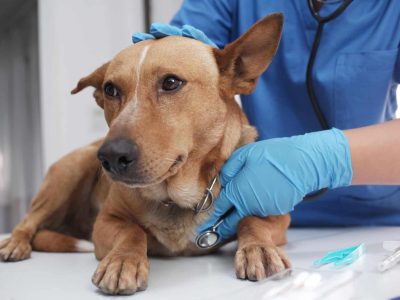
So, where does an animal hospital fit into that? A hospital does more than hand you a product. It helps create a structured, ongoing system for parasite prevention for pets. That can include fecal testing, skin checks, lifestyle questions, weight based dosing, reminders, and follow up when a pet has side effects or a breakthrough infection.
What makes an animal hospital parasite control plan different from guessing at home?
The hardest part of prevention is that not every pet has the same risk. An indoor cat may still get fleas. A dog that visits parks, daycare, or wooded areas may need broader protection. A puppy or kitten may need a different schedule than a senior pet with health concerns. When you try to manage all of that on your own, it is easy to miss details that matter.
An animal hospital looks at the whole picture. Your pet’s species, age, weight, current medications, travel habits, grooming routine, exposure to wildlife, and even whether children or older adults live in the home can shape the plan. That is the real value of animal hospital parasite control. It is not one size fits all care. It is a prevention program built around actual risk.
Consider a simple example. A dog with recurring flea issues may not just need another monthly dose. The hospital may look for reinfestation in the home, untreated animals in the household, flea allergy dermatitis, or tapeworm exposure. In fact, fleas can spread Dipylidium tapeworms, which is why the CDC explains the link in its page about Dipylidium infection. Without that bigger view, treatment can feel like it works for a week or two, then fails again.
Should you handle parasite prevention alone or work with an animal hospital?
Some pet owners do a solid job with routine prevention at home, especially when they stay organized. Still, the gap usually shows up when symptoms are vague, products are used inconsistently, or one pet’s needs change. A hospital helps close that gap by turning prevention into a managed process instead of a string of separate purchases.
| Approach | At Home Only | Animal Hospital Guided Plan |
|---|---|---|
| Product choice | Often based on ads, price, or guesswork | Based on species, weight, age, and risk factors |
| Dosing accuracy | Can be missed or delayed | Reviewed with schedule support and follow up |
| Testing | Usually none unless symptoms appear | Fecal exams and physical checks catch hidden issues |
| Multi pet households | Easy to leave one pet untreated | Whole household plans reduce reinfection |
| When problems continue | Trial and error can drag on | Cause is investigated and plan is adjusted |
| Long term cost | Lower upfront, but repeat issues can add up | Higher structure, often fewer repeat treatments |
This is where parasite management programs become useful. They reduce the chance that you will spend money on the wrong product, overlook a hidden infection, or keep treating the symptom instead of the source.
What can you do right now to protect your pet?
1. Track what you are seeing. Write down scratching, stool changes, vomiting, weight changes, scooting, hair loss, or visible fleas or worms. Include when symptoms started and whether they come and go. Patterns help an animal hospital decide whether the issue points to fleas, intestinal parasites, mites, or something else.
2. Review every pet in the home. If one animal has signs of parasites, think beyond that one pet. Ask yourself whether all pets are on prevention, whether doses are current, and whether bedding, litter areas, and shared spaces may be part of the cycle. This matters because one untreated pet can keep the problem going.
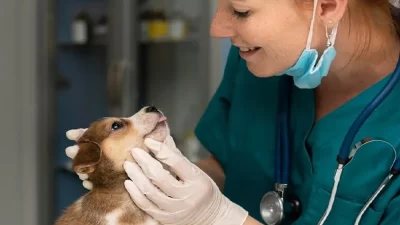
3. Set up a professional prevention schedule. A reliable animal hospital can help you choose the right timing for exams, fecal tests, and preventive medication, then update the plan when seasons change or your pet’s routine changes. That is especially helpful for puppies, kittens, rescue animals, and pets with repeat infections.
When should you stop waiting and ask for help?
If your pet has ongoing itching, diarrhea, visible worms, flea dirt, weight loss, skin irritation, or repeated symptoms after over the counter treatment, it is time to get support. Waiting can turn a manageable issue into a longer and more expensive one, and it can expose other pets and family members along the way.
You do not need to solve every detail on your own. The right animal hospital can help you move from reacting to problems to preventing them with a plan that actually fits your pet’s life. That shift often brings relief, because once you know what you are dealing with and what to do next, the stress starts to settle.
If you are worried about parasites, now is a good time to schedule a checkup and ask about a prevention plan that covers both immediate treatment and long term protection.





Comments