
 By
By 
You might be looking at your cat sleeping in a sunbeam or your dog curled up at your feet and thinking, “They seem fine. Do they really need a yearly vet visit?” You are not alone. Many caring pet owners quietly worry about the cost, the stress of the carrier or the car ride, and whether an annual exam with a London West veterinarian is truly necessary, especially when nothing looks obviously wrong.end
Then something shifts. A pet stops jumping on the couch, drinks more water than usual, or hides a little more. By the time you notice, the problem can feel bigger and scarier than you expected. That “I wish we had caught this earlier” feeling can stay with you for a long time.
Annual checkups are not about finding something wrong. They are about making sure you do not miss what your pet is working so hard to hide. Cats and dogs are experts at masking pain and illness. A yearly exam gives a trained eye and experienced hands a chance to notice the quiet changes that you cannot see at home. It protects your pet’s comfort and often protects your wallet in the long run.
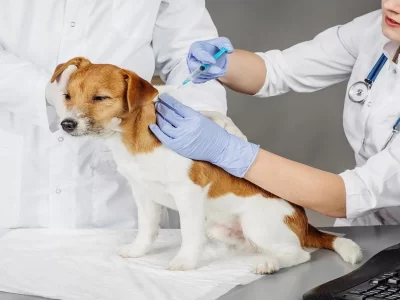
So the short version is this. Yearly exams help catch disease early, update vaccines wisely, prevent parasites, and give you a trusted place to ask questions about behavior, nutrition, and daily care. They are the backbone of preventive care for cats and dogs, not a luxury add-on.
Why do healthy cats and dogs need yearly exams if “nothing is wrong”?
It can feel confusing. You watch your pet every day. You know their quirks, their favorite spot on the couch, the sound of their paws on the floor. If you do not see a problem, you naturally wonder if a clinic visit is overdoing it.
The challenge is that animals often do not show clear signs of trouble until a disease is more advanced. A cat can lose weight so slowly you do not notice until you pick them up one day and feel bones. A dog can develop dental disease that looks like “normal dog breath” but is already painful and affecting the heart and kidneys.
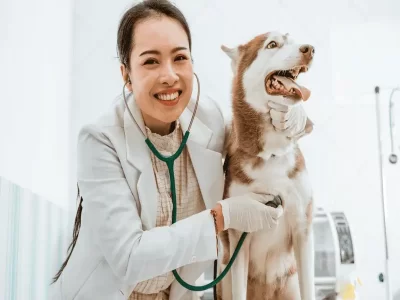
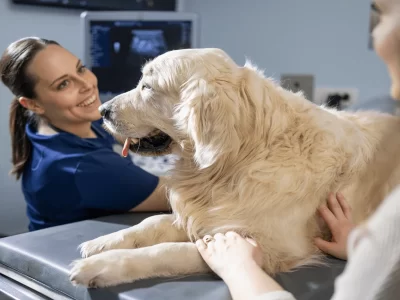
Because of this gap between what you can see and what may be happening inside, a yearly physical exam becomes your safety net. A veterinarian checks heart, lungs, eyes, ears, teeth, abdomen, skin, joints, and weight. They often recommend bloodwork or urine tests based on age and risk. These are the quiet tools that catch early kidney disease, thyroid problems, diabetes, and more, while there is still time to act gently and effectively.
If you want a broader view of why regular care matters, the American Veterinary Medical Association explains how routine visits fit into overall preventive care for pets. It is not about over-treating. It is about right-timing.
What really happens during an annual exam, and what happens if you skip it?
Imagine two dogs, both eight years old. One sees a veterinarian every year. The other only goes in when something looks obviously wrong.
The first dog has a yearly physical exam. The vet notices a small heart murmur that was not there last year. There are no obvious symptoms at home. With this early clue, the vet recommends monitoring, maybe some tests, and some lifestyle adjustments. The heart disease is managed calmly, and the dog enjoys more good-quality years.
The second dog starts coughing one night. Breathing becomes harder over a few weeks. By the time the family brings the dog in, the heart disease is advanced. Treatment is more urgent and expensive. The family is terrified, and the dog is uncomfortable. The condition might have been the same in both dogs, but the timing of detection changed everything.
The same pattern often shows up with cats. A cat who gets regular exams has a small change in kidney values picked up on routine bloodwork. Food and water intake are adjusted, and follow-up tests are scheduled. Another cat, who rarely leaves the house for vet visits, suddenly starts urinating outside the litter box and drinking constantly. By then, the kidneys may be significantly damaged.
So where does that leave you? It means that skipping annual exams can shift your experience from planned, thoughtful care to crisis management. Emotionally, that is heavier. Financially, it can be harder too, because advanced disease often needs more testing, medications, or even emergency care.
There is another layer as well. Regular checkups are a key part of keeping both pets and people healthy. The CDC explains how pet health connects with human health in their overview of staying healthy around pets. Parasite control, vaccines, and clean habits help protect you, your family, and your community.
How do yearly exams compare with “wait and see” or home care only?
You might be weighing your options. Maybe you are wondering if you can rely on online advice, home monitoring, and only go to the clinic if something clearly changes. That is a very human, very understandable thought.
Here is a clear comparison to help you sort through the tradeoffs between regular annual pet checkups, waiting for symptoms, and relying mostly on home care.
| Approach | What it looks like | Health impact on your pet | Typical cost pattern | Stress level for you |
|---|---|---|---|---|
| Yearly vet exams | Routine visit once a year with a general veterinarian, plus vaccines and tests as needed | Higher chance of early detection, better pain control, improved quality of life and lifespan | Smaller, more predictable costs spread over time | Short-term stress around visits, but fewer emergencies and surprises |
| “Wait until there is a problem” | No visit unless your pet is limping, vomiting, coughing, or acting clearly “off” | Diseases often found later, fewer gentle options, more intense treatments when finally seen | Fewer bills at first, but higher risk of large, urgent expenses | Less stress day to day, higher stress when a crisis hits |
| Home care only | Relying on internet advice, over-the-counter products, and observation at home | High risk of missed or misread signs, unsafe treatments, and preventable suffering | Low up front, but can lead to very high emergency or end-of-life costs | Can feel in control until symptoms worsen suddenly, then extremely stressful |
When you see it laid out, yearly exams are not about “over-vetting.” They are about shifting from reaction to prevention. They also help tailor care to your specific pet. For example, the CDC shares different guidance for staying healthy around dogs and for staying healthy around cats, because their risks and behaviors are not the same. Your veterinarian does something similar, but on a personal level, based on age, lifestyle, and medical history.
Three practical steps you can take right now
- Look for subtle changes at home and write them down
Over a week or two, quietly watch for small shifts. Is your dog slower on walks or hesitating on stairs? Is your cat missing jumps, hiding more, or drinking more water? Is there a change in appetite, weight, litter box habits, or breath smell? Jot these down. Bringing specific notes to a general veterinarian turns a routine visit into a focused, efficient health check tailored to your pet.
- Schedule a routine exam before there is a crisis
Choose a time when your pet is stable. Do not wait for a scary symptom. Call your usual clinic or a trusted general veterinarian and ask for a wellness or preventive care visit. Mention your pet’s age, any ongoing medications, and your main questions. If cost worries you, say that upfront and ask what a basic wellness visit includes and what tests are recommended for your pet’s age. Many clinics can prioritize what is most important now and what can wait.
- Use the appointment to build a long-term care plan
During the exam, ask about the next one to two years, not just today. What vaccines will be needed and how often. Which screening tests matter most for your pet’s breed and age. How often should your pet have bloodwork or dental checks? Are there weight or diet changes that would help? This turns a single visit into a shared plan, which can ease both emotional and financial pressure. You move from reacting to events to calmly following a roadmap.
Moving forward with more confidence and less fear
Caring for a pet is full of love, but it also carries quiet worries. You do not want to overreact, yet you do not want to miss something serious. That tension is real, and it can be exhausting.
Regular wellness exams for cats and dogs give you a way out of that constant guesswork. They offer a space where you can ask questions without judgment, where small concerns are taken seriously, and where your pet’s needs are seen as a whole, not just in moments of crisis.
Even if you have put off visits in the past, you can start fresh. Choose one pet, pick one date, and schedule one annual exam. From there, you and your veterinarian can build a rhythm that fits your life and keeps your pet as comfortable and healthy as possible.
Your pet depends on you to notice when something is wrong. A trusted veterinarian helps you notice before it is obvious. That shared responsibility is what turns simple yearly visits into quiet, powerful protection for the animals you love.








Comments