
 By
By 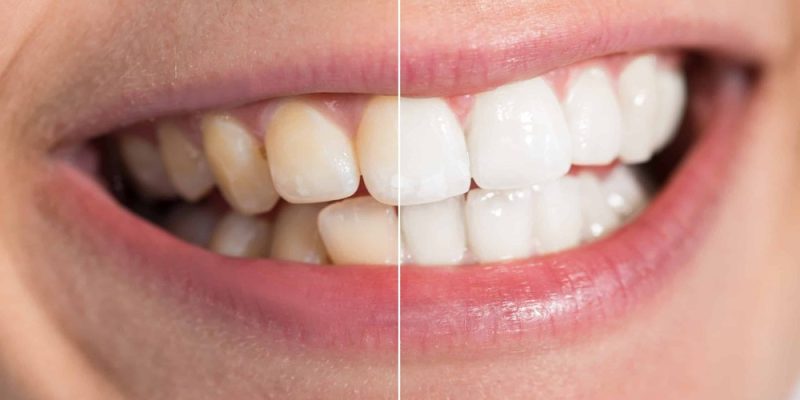
You might be feeling a little self-conscious every time you see your smile in a photo. Maybe your teeth used to look bright, and now they seem dull or yellow. Or you have a few stubborn brown spots that do not budge, no matter what toothpaste you buy. It is frustrating because you are trying to take care of your teeth, yet they do not look the way you want. Fresno Invisalign end
Because of this, you might be wondering whether you actually need professional whitening or if simple stain removal would be enough. You hear about whitening strips, whitening toothpaste, in-office bleaching, and even “Instagram” kits, and it is hard to know what is safe and what will truly work.
Here is the short version. Surface stains from coffee, tea, or smoking can often be managed with professional cleanings and targeted stain removal. Deeper color changes or overall yellowing usually need some form of teeth whitening, ideally guided by a cosmetic dentist who understands your enamel, your habits, and your health history. The right choice depends on what is causing the discoloration, not just how it looks in the mirror.
So, where does that leave you today? Let us sort out what is happening to your teeth, what cosmetic dentists usually recommend for each situation, and how you can move forward safely without wasting money or damaging your smile.
Are your teeth stained or just naturally darker now?
The first piece of the puzzle is understanding what you are actually seeing. Not all “yellow” teeth are the same problem, and that is why one person gets great results from whitening strips and another barely notices a difference.
Cosmetic dentists usually think in two broad categories.
1. Extrinsic stains
These are surface stains that sit on the outside of the tooth. They come from things like coffee, tea, red wine, berries, tobacco, or colored mouth rinses. Plaque and tartar build-up can grab that color and hold onto it, which makes the teeth look darker and uneven.
These stains often respond very well to professional cleanings, polishing, and specific stain removal techniques. In other words, you may not need “whitening” at all. You might just need those layers of buildup and color gently removed.
2. Intrinsic discoloration
This is a color that comes from inside the tooth. It can be due to aging, genetics, trauma, certain medications taken in childhood, or too much fluoride while teeth were forming. The Centers for Disease Control and Prevention has information about one of these causes, dental fluorosis, and how it can change the way enamel looks on the surface. You can read more on the CDC’s page on dental fluorosis and tooth appearance.
Intrinsic changes usually do not improve with stain removal alone, because there is nothing “on” the tooth to scrub off. This is where professional teeth whitening or other cosmetic treatments come into play.
So the real question becomes, are you dealing with stains on the surface, deeper color changes, or a mix of both?
Why “just whitening” is not always the right first step
It is tempting to jump straight to the strongest whitening product you can find online. When you are unhappy with your smile, you want a fast change. But this is where many people end up disappointed, uncomfortable, or at risk of harming their teeth or gums.
The American Dental Association offers a helpful overview of how whitening products work and who they are right for. You can explore an ADA patient resource on professional and at-home whitening options to see the range of methods available.
Here are a few common situations cosmetic dentists see.
“I drink a lot of coffee, and my teeth look brown near the gums.”
In this case, the main problem is usually surface stain plus plaque or tartar. A thorough cleaning and targeted stain removal can make a dramatic difference. Whitening might be an optional finishing touch, not the first step.
“My teeth have always been a little yellow, even after cleanings.”
That points more toward natural tooth color or internal changes. Whitening can help brighten the overall shade, but a cosmetic dentist will want to check for thin enamel, existing fillings, and any history of sensitivity before recommending a specific method.
“I used an online whitening kit, and now my teeth are very sensitive.”
Many over-the-counter or unregulated whitening products use strong chemicals or poorly fitting trays. The ADA has warned about the hazards of unlicensed tooth whitening providers and products, including burns, severe sensitivity, and uneven results. If that sounds familiar, it is a sign to pause and get a professional evaluation rather than layering more whitening on top.
Because of all this, cosmetic dentists rarely see whitening as a one-size-fits-all answer. They start with a diagnosis. What is causing the color change? How healthy is the enamel? What are your goals and your tolerance for sensitivity? Only after that do they suggest either stain removal, whitening, or a combination of both.
How do stain removal and whitening compare in real life?
It can help to see the differences laid out side by side. The ADA has a helpful discussion of professional guidance and expectations around whitening in its expert Q& A on what to know about tooth whitening. Building on that type of guidance, here is a simple comparison many cosmetic dentists walk through with patients.
| Question | Professional stain removal | Teeth whitening treatments |
|---|---|---|
| What it targets | Surface stains on enamel from food, drink, tobacco, and plaque buildup | Overall tooth color inside the enamel and dentin |
| Typical methods | Dental cleaning, polishing pastes, stain-removing tools | In office bleaching, custom take-home trays, supervised whitening products |
| How fast you see change | Often immediate after one cleaning visit | From one in-office session to several weeks with home trays |
| Best for | Coffee and tea drinkers, smokers, visible buildup near gums | General yellowing, age-related darkening, deeper internal discoloration |
| Risks when done correctly | Generally low. Possible temporary gum soreness if there is heavy buildup | Temporary sensitivity or gum irritation, which can be managed when supervised |
| When it is not enough | Intrinsic stains, fluorosis, or color changes from old fillings or trauma | Brown or white spots from fluorosis or medications often need additional cosmetic work |
Seeing these differences, you can probably sense why a cosmetic dentist might say, “Let us start with a thorough cleaning and stain removal, then reassess your color.” Sometimes that alone gives you the natural brightening you were hoping for. Other times it sets a clean foundation so professional cosmetic whitening can work more evenly and predictably.
Three smart steps to choose the right path for your smile
So what can you do right now, before you commit to any treatment or spend more money on whitening products that live under your sink?
1. Get a professional “color and cause” assessment
Schedule a visit with a cosmetic dentist or a general dentist who has experience with cosmetic cases. Ask them to walk you through what part of your discoloration is a surface stain and what part is internal.
A good exam will usually include photos, a shade guide, and a close look at your enamel, fillings, and gums. This is also the time to share any history of sensitivity or past whitening attempts. The goal is to understand your teeth, not to pressure you into a specific procedure.
2. Start with the healthiest foundation possible
Before any whitening, make sure your mouth is in good shape. That means up-to-date cleanings, any needed fillings, and stable gum health. Stain removal is often part of this step. Removing plaque and tartar not only improves color. It also helps whitening work more evenly if you choose to do it later.
Ask your dentist which daily habits are contributing to your stains. For example, you might keep your morning coffee but rinse with water after, or you might switch to a straw for certain drinks. Small adjustments can slow new stains from forming, which protects your investment in cosmetic care.
3. If you whiten, do it with guidance, not guesswork
If your dentist agrees that whitening is appropriate, talk about options, the strength of products, and expected results. Professional systems can be tailored to your sensitivity level and schedule. Some people do better with slower, low-concentration home trays. Others prefer one or two in-office sessions with careful monitoring.
Be very cautious with unlicensed providers or spa-type whitening offers that do not involve a dentist. The ADA has raised concerns about unregulated whitening services that can cause burns, severe sensitivity, or damage to restorations. Whitening should never feel like a gamble.
Finding a smile plan that actually feels right for you
You deserve to feel comfortable when you smile, without worrying that people notice stains or dark areas before they notice you. Whether you end up needing simple stain removal, carefully supervised cosmetic dentist whitening, or a combination of both, the most important thing is that the plan fits your teeth, your health, and your comfort level.
You do not have to figure this out alone. Start by asking a trusted cosmetic dentist to help you understand what is really causing the color changes you see. From there, you can decide together how much change you want, how quickly, and in a way that protects your enamel for the long term.
Your smile has already carried you through a lot. With the right guidance, it can still look bright, natural, and completely yours, without shortcuts that put your teeth at risk.








Comments