
 By
By 
You might be feeling a mix of hesitation and guilt every time you think about booking a dental appointment with a Family dentist in Calmar. Maybe you remember a rough visit from years ago, or you worry that a simple cleaning will somehow turn into a long list of expensive treatments. At the same time, you know your mouth does not feel quite right, and that quiet worry sits in the back of your mind whenever you eat or smile.end
That tension is very common. Many people carry old stories about dentists that no longer match how modern general dentistry actually works. Because of this, they delay care until something hurts, which often makes treatment more complex and more costly. The short version of what you will read here is simple. Today’s general dentist focuses on comfort, prevention, and conservative care, and three of the biggest myths about dental visits are holding many people back from the help they need.
So, where does that leave you? You deserve clear, calm information. You also deserve to know what is myth and what is real, so you can make choices without fear driving the bus.
Misconception 1: “If My Teeth Do Not Hurt, I Do Not Need a General Dentist Visit”
It usually starts with a small thought. “Nothing hurts. I can skip this checkup.” Then one skipped visit becomes three years. By the time you do sit in the chair, you might be facing a cavity, gum disease, or even a broken tooth that seemed to appear out of nowhere.
This belief is powerful because it feels logical. No pain means no problem, right. Unfortunately, that is not how oral health works. According to the Centers for Disease Control and Prevention, tooth decay is one of the most common chronic conditions in the world, and it often develops quietly at first. Early cavities and gum problems usually do not hurt. By the time pain shows up, damage is often deeper and harder to treat.
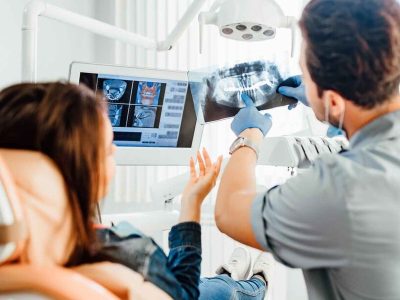
Because of this, modern general dentistry services focus heavily on prevention. That means routine cleanings, exams, and X rays when appropriate. These visits are not about finding something to “fix.” They are about catching small issues before they turn into big ones. Think of it like maintaining your car. An oil change costs far less than a new engine.
So if you have been waiting for pain as your signal to schedule a visit, you are using one of the least reliable warning signs your body gives you.
Misconception 2: “Modern Dental Treatments Are Still Going To Be Very Painful”
You might have a clear memory of a childhood appointment that left you tense or sore, or maybe you have heard stories from a parent about “the old days” at the dentist. It is no surprise that the idea of a general dentist visit can trigger anxiety before you even sit down.
Here is the part that often surprises people. Dentistry today is not the same as it was 20 or even 10 years ago. Numbing methods are more precise. Tools are quieter and more efficient. Dentists are trained to recognize signs of anxiety and to slow down, explain, and adjust. Many offices also offer comfort options such as noise canceling headphones or blankets, and some provide different levels of sedation when appropriate.
Consider this scenario. Two people both have small cavities. One avoids care for years because she is sure the filling will be unbearable. By the time she finally goes, she needs a root canal and crown, which take longer and involve more healing. The other person schedules the filling as soon as it is found. With modern anesthetic and a gentle approach, the visit is quick, and discomfort is minimal.
Both started with the same problem. Fear of pain changed the outcome. Modern general dentistry aims to make visits as easy as possible, not to “toughen you up.” If you carry old fear, you are not alone, and you are allowed to talk openly about it with your dentist. That conversation is part of your care.
Misconception 3: “Dentists Just Want To Do Extra Work To Make Money”
This one often sits quietly in the background. You look at a treatment plan and think, “Do I really need all of this, or is this just business.” There may be money stress, past experiences, or stories from others coloring what you see.
The truth is more nuanced. A good modern general dentistry service is built around prevention and long term stability. That means recommending what will protect your teeth and gums now, so you do not face more serious and expensive problems later. For example, a small filling today may prevent the need for a crown or extraction in a few years.
Research from organizations like the National Institute of Dental and Craniofacial Research shows that untreated tooth decay can lead to infections, difficulty eating, missed work, and lost teeth. Addressing decay early is not “extra.” It is basic health care.
That said, you should always feel comfortable asking why a treatment is recommended, what your options are, and what happens if you wait. A trustworthy general dentist will welcome those questions, explain in plain language, and help you weigh your choices without pressure.
How Do Preventive Visits Compare To “Wait Until It Hurts” Care
You might still be wondering how all of this plays out in real life. One helpful way to look at it is to compare regular preventive care with a “wait until there is a problem” approach.
|
Approach |
What It Usually Looks Like |
Short Term Cost |
Long Term Impact |
|---|---|---|---|
|
Regular preventive visits |
Cleanings, exams, X rays as needed, daily brushing and flossing |
Smaller, predictable costs over time |
Fewer major procedures, better chance of keeping natural teeth, less pain overall |
|
“Wait until it hurts” care |
Skip checkups, only go when there is pain or swelling |
No cost for a while, then sudden larger bills |
Higher risk of root canals, extractions, and tooth loss, more emergency visits and missed work |
|
DIY and internet advice only |
Home remedies, tips from social media, no professional exams |
Low upfront cost, but no real diagnosis |
Problems often progress silently, increased risk of infections and long term damage |
The CDC’s oral health tips for adults support this picture. Daily care at home combined with routine checkups is the most effective way to reduce decay and gum disease. It is not about doing “extra.” It is about doing what works.
Three Practical Steps You Can Take Right Now
1. Be honest about your fears and past experiences
Write down what makes you most uneasy about seeing a general dentist. Is it pain, cost, feeling judged, or something from childhood. When you schedule, mention these concerns. At your visit, hand that list to your dentist or hygienist. Clear communication helps them adjust the pace, explain more, and build a plan that respects your limits.
2. Start with a simple checkup, not a big treatment plan
If you have been away from care for a while, your first goal does not have to be “fix everything.” Focus on getting a clear picture. Ask for an exam, any needed X rays, and a cleaning if appropriate. Then take time to review the findings. Ask which issues are urgent, which are medium term, and which are optional. This breaks the process into manageable steps.
3. Build small daily habits that protect your teeth
Even before you see a dentist, you can support your mouth at home. Brush twice a day with fluoride toothpaste. Floss once a day. Limit sugary snacks and drinks, especially between meals. These basic steps, supported by organizations like the CDC, reduce the risk of decay and gum disease and can make future visits simpler and shorter.
Moving Forward With More Confidence
You do not have to pretend that your worries about dental care are small. They are real, especially if you have been carrying them for years. At the same time, you now know that many common fears about modern general dentistry services are based on old information or misunderstandings.
Regular visits are not a punishment for missing past checkups. They are a chance to start fresh, protect the teeth you have, and lower the odds of painful emergencies. With the right general dentist, you can ask questions freely, move at a pace that feels safe, and share in each decision about your care.
You deserve a mouth that feels comfortable and a smile you do not have to hide. Your next step can be as simple as scheduling a checkup and saying, “It has been a while, and I am a little nervous.” That one honest moment can change how you experience dental care from now on.




Comments