
 By
By 
You want a better smile that still looks like you. That is the promise of skilled cosmetic dentists. They do not chase perfection. They protect what makes your face and teeth your own. First, they study how you talk, laugh, and rest your lips. Then they match color, shape, and size so any change blends in. Nothing should stand out. Instead, people should just see you looking rested and strong. This is true whether you need a small repair, careful whitening, or dental veneers in North Scottsdale. Every choice matters. Lighting during color matching. Texture on the tooth surface. Tiny shifts in length. Each step works toward one clear goal. Your smile should look healthy, balanced, and believable. You should feel confident up close and in photos. This guide explains how cosmetic dentists reach that result and what you should expect from the process.
How Cosmetic Dentists Study Your Smile
Natural changes start with close study. A cosmetic dentist will:
- Look at your face from the front, side, and three quarter view
- Watch how your lips move when you speak and laugh
- Check how much tooth shows when you rest
Next, you talk about what bothers you. You might point to dark edges, worn corners, or crowded teeth. The dentist listens and then explains what is realistic. You hear what can change and what should stay. That clear talk protects you from regret.
Color That Matches Your Real Teeth
Natural work starts with honest color. Teeth are not pure white. They have layers and small shifts from edge to gum. To match that, the dentist will:
- Use a shade guide in normal light and bright light
- Compare front teeth to back teeth
- Note spots, lines, and small color bands
The American Dental Association explains that tooth color comes from both enamel and dentin and changes with age and use. That science guides safe plans for whitening and for new restorations.
Shape, Length, and Proportion
Natural teeth follow simple patterns. A cosmetic dentist respects three things.
- Width to height ratio of each tooth
- Step down from front teeth to canines
- Soft curve of the smile line
Short, flat, or boxy teeth can look false. Very long or sharp teeth can pull focus. Your dentist may start with photos and small measurements. Then you might see a wax model or digital mock-up so you can react before any change to your teeth.
Common Cosmetic Options and How Natural They Look
Different treatments change your smile in different ways. Some only change color. Others change shape and position. You and your dentist choose based on your goals, budget, and time.
|
Treatment |
Main Purpose |
Best For |
Natural Look Potential |
|---|---|---|---|
|
Whitening |
Lighten tooth color |
Stains from coffee, tea, or age |
High when shade change is modest |
|
Bonding |
Fix chips and gaps |
Small flaws on front teeth |
High when polished and blended well |
|
Veneers |
Change color and shape |
Worn, stained, or uneven teeth |
Very high with careful planning |
|
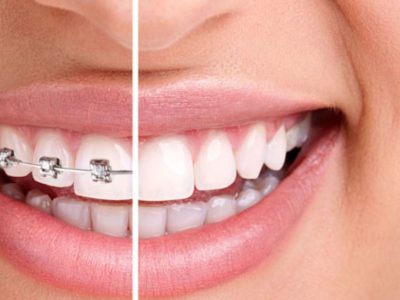
Aligners or braces |
Straighten teeth |
Crowding or spacing |
Very high since teeth are your own |
Why Less Can Look More Natural
Strong work often uses a light touch. A dentist who wants a natural look will:
- Remove as little tooth as possible
- Match new work to nearby teeth, not to a color chart alone
- Plan changes that fit your age and facial features
You might expect a full mouth makeover. Instead, your dentist may suggest whitening plus small bonding. That choice can protect tooth strength and still give clear change.
Comfort, Safety, and Family Needs
Every family member needs a different plan. Children and teens often need simple repairs and straightening. Adults may ask for whitening and veneers. Older adults may focus on worn teeth or missing teeth.
The National Institute of Dental and Craniofacial Research offers clear facts on tooth wear, decay, and care across the life span. That information supports safe choices for each age group.
Questions To Ask Your Cosmetic Dentist
Before you agree to any cosmetic work, ask direct questions.
- What changes do you suggest and why
- How much tooth structure will you remove
- Can I see photos of your cases that look like mine
- How long should the result last with normal care
- What are the risks and what happens if something chips
Clear answers help you feel calm and prepared. You also learn what you must do at home to protect your new smile.
Caring For Natural Looking Enhancements
New work still needs daily care. You protect it with three habits.
- Brush twice a day with fluoride toothpaste
- Clean between teeth once a day
- See your dentist for regular checkups and cleanings
You might also need a night guard if you grind your teeth. You may need to avoid chewing ice or hard candy. Simple steps keep your enhancements smooth and quiet, so they continue to look like part of you.
Finding The Right Cosmetic Dentist
A natural smile comes from skill, time, and respect for your face. Look for a dentist who listens, shows past work, and explains each step in clear words. Steady planning, careful color work, and small shape changes can leave you with a smile that feels honest. You should still look like yourself. Only more at ease when you speak, laugh, and share your life with others.









Comments