
 By
By 
Preventive dentistry protects your mouth and your money. You may brush and floss every day. Yet small problems can still grow in hidden places. Regular cleanings, X‑rays, and simple exams catch those problems early. Then treatment stays quick and low cost. Instead of a root canal, you might only need a small filling. Instead of losing a tooth, you might only need a deep cleaning. You also gain clear answers about your daily habits. A cosmetic dentist in Green Bay can spot tiny cracks, early decay, and gum disease before you feel pain. This early warning gives you time to act. It also gives you control over your health budget. You avoid surprise bills, emergency visits, and long procedures. You keep your smile steady and strong through small, planned steps.
Why small dental problems turn into big bills
Tooth decay and gum disease grow in stages. At first, they cause no pain. You feel fine. You eat and talk as usual. Yet bacteria keep working on your teeth and gums.
First, plaque forms on the teeth. Then minerals in your saliva harden that plaque into tartar. Next, tartar irritates the gums and weakens enamel. Finally, decay reaches the inner part of the tooth or the bone around it.
By the time you feel pain, the damage is often deep. At that point, you may need a root canal, a crown, or even an extraction. Each step up in treatment adds more time and more cost. Early care stays smaller. Late care gets larger and more complex.
What happens during a preventive visit
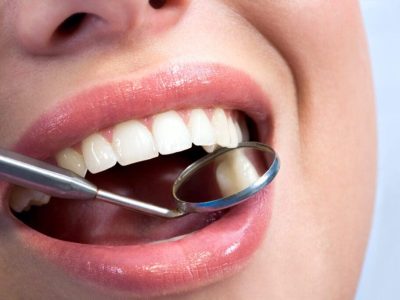
A routine visit usually includes three key steps. Each one targets early warning signs.
- Cleaning. The hygienist removes plaque and tartar that brushing and flossing miss. This protects the gums and enamel.
- Exam. The dentist checks each tooth, your bite, and your gums. You may be asked about grinding, dry mouth, or past pain.
- X‑rays. The images show what the eye cannot see. They reveal decay between teeth, bone loss, and infections.
The visit may also include fluoride, sealants for children, and help with brushing and flossing. These steps are simple. They prevent larger problems later.
You can read more about routine exams and cleanings from the Centers for Disease Control and Prevention. The National Institute of Dental and Craniofacial Research also explains how decay starts and how early care stops it.
Common problems that preventive care catches early
During a checkup, your dentist can find several issues at a very early stage.
- Early cavities. Small soft spots in enamel often need only a tiny filling. Without care, they can reach the nerve and lead to a root canal.
- Gum disease. Red, swollen, or bleeding gums point to early gum disease. A cleaning and better home care can often reverse this stage.
- Cracks and worn teeth. Clenching or grinding can chip and wear teeth. A night guard can protect them before they break.
- Old fillings that leak. Worn fillings let decay start under the surface. Replacing a small filling now prevents a crown later.
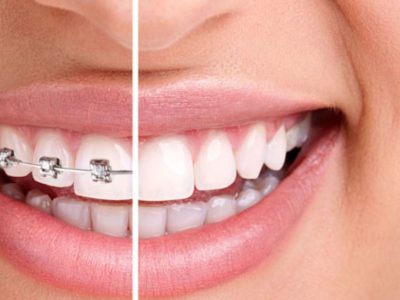
- Alignment problems. Crowding or bite problems can trap food and strain teeth. Early guidance can prevent uneven wear and fractures.
Each of these problems costs far less to treat when small. Each one grows more painful and more expensive when ignored.
How preventive visits save money
Regular visits work like a safety net for your budget. You pay a small, planned cost to avoid sudden large ones.
Here is a simple cost comparison. Actual prices vary by clinic and region. The pattern stays the same. Early care costs less than late care.
|
Dental issue |
Early preventive step |
Typical early cost range (USD) |
Late treatment if ignored |
Typical late cost range (USD) |
|---|---|---|---|---|
|
Small cavity |
Exam, X‑ray, small filling |
150 to 300 |
Root canal and crown |
1,500 to 3,000 |
|
Mild gum disease |
Cleaning and home care guidance |
100 to 250 |
Deep cleaning and possible surgery |
800 to 5,000 |
|
Worn or cracked tooth from grinding |
Night guard and monitoring |
300 to 600 |
Crown or extraction and implant |
2,000 to 5,000 |
|
Old leaking filling |
Replacement filling |
150 to 300 |
Crown or root canal |
1,200 to 2,500 |
These numbers show a clear pattern. A short visit and a small procedure now can prevent a long, costly treatment later.
How often you and your family should go
Most people need a checkup and cleaning every six months. Some need visits more often. That can include people who smoke, have diabetes, are pregnant, or have a history of gum disease.
Children need visits as soon as the first tooth appears or by age one. Early visits teach children that the dental office is a safe place. They also let the dentist guide tooth growth and help prevent decay on baby teeth.
Older adults also need steady care. Many take medicines that cause dry mouth. This raises the risk of cavities and gum disease. Regular visits help manage these changes before they lead to broken teeth or tooth loss.
Simple habits that strengthen preventive care
Your daily choices make each dental visit more effective. Three habits matter most.
- Brush twice a day with fluoride toothpaste.
- Floss once a day to clean between teeth.
- Limit sugary snacks and drinks.
Next, drink water often. It washes away food and supports saliva. Then use a mouthguard for sports and a night guard if your dentist suggests one. Finally, do not ignore bleeding gums, tooth sensitivity, or chips. Call and schedule a visit.
Take control of your smile and your budget
Preventive dentistry gives you clear control. You trade fear and surprise costs for steady care and planned visits. You catch problems while they are small. You keep your natural teeth longer. You also protect your savings from sudden shock.
When you keep regular appointments and follow simple daily habits, you give your family strong protection. You guard not only each tooth. You guard your time, your comfort, and your money.







Comments