
 By
By 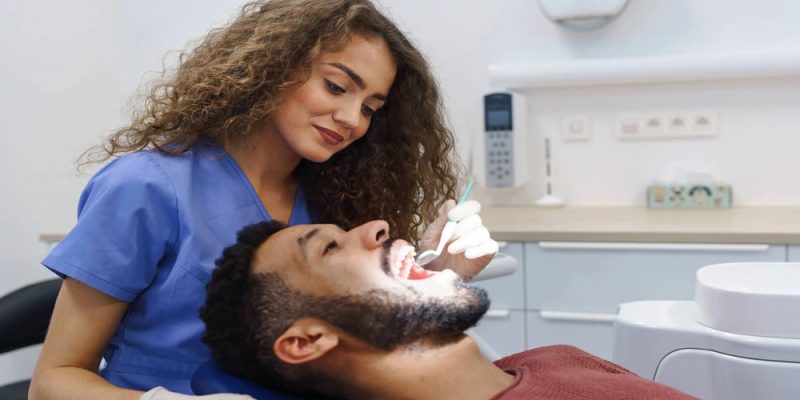
You might be feeling a dull ache in a tooth, or noticing that your gums bleed when you brush, and a small voice in your head keeps saying, “I really don’t want to go to the dentist right now.” You are not alone. Many people put off care because they are worried about pain, cost, or being judged for how long it has been since their last visit to a Brentwood, CA dentist. Then the worry builds, and by the time you finally book an appointment, you are already bracing yourself for bad news and uncomfortable treatment.end
There is another way to live with your teeth. Preventive dentistry is not just about “being good” with floss. It is about shaping your care so that problems are found when they are tiny, treatment is easier, and you feel more comfortable and in control. When prevention is the focus, appointments are usually quicker, less invasive, and less stressful. You spend more time maintaining your smile and far less time fixing emergencies.
So, where does that leave you if you already feel behind on your dental health, or if you are anxious every time you sit in the chair? It starts with understanding how preventive dental care for comfort actually works, and why small steps now can spare you a lot of discomfort later.
Why waiting until it hurts makes everything harder
Tooth and gum problems rarely appear out of nowhere. They usually grow quietly. Tooth decay begins as softening of the enamel long before you feel anything. Gum disease starts with a little inflammation and bleeding long before you notice loose teeth. Because there is often no pain at first, it is easy to ignore the warning signs and carry on as usual.
The trouble is that by the time you feel real pain, the damage is usually more serious. According to the National Institute of Dental and Craniofacial Research, tooth decay is one of the most common chronic diseases, but it is also very preventable when caught early. Early decay can sometimes be reversed with fluoride, changes in brushing, and better diet choices. Once decay reaches the inner layers of the tooth, you may need fillings, root canals, or even extractions. Those treatments can save your tooth, but they are more involved and more expensive.
Something similar happens with your gums. The NIDCR’s information on gum disease explains that early gum inflammation is often painless. If you wait until your gums are swollen, sore, or you notice a bad taste in your mouth, the infection may already be affecting the bone that holds your teeth in place. Treating advanced gum disease can mean deeper cleanings, medication, and in some cases, surgery. None of that is as comfortable as a regular cleaning and checkup.
So the pattern is clear. The longer you wait, the more intense the treatment can become. That is the emotional weight many people carry. You might think, “If I go, they will find something terrible.” Because of this tension, you might wonder if it is even worth trying to get ahead of things now.
How preventive dentistry quietly protects your comfort
Preventive dentistry is the approach that shifts the focus from fixing problems to avoiding them or catching them early. A general dentist uses regular checkups, cleanings, and simple protective treatments to keep your mouth healthy and your appointments as comfortable as possible. When you understand the pieces, you can see how each one supports your comfort over time.
Routine checkups allow your dentist to look for very early signs of decay, cracks, worn fillings, or gum irritation. These are usually painless stages. When found early, treatment is often minimal. A small cavity is quicker to numb and fill. Early gum problems can respond to improved home care and a professional cleaning. That means less time in the chair and a smoother recovery.
Professional cleanings remove hardened plaque that your toothbrush cannot reach. This is not just about a “fresh” feeling. It reduces your risk of cavities and gum disease, which are the main sources of dental pain. The CDC’s oral health tips for adults highlight brushing twice a day with fluoride toothpaste, cleaning between your teeth, and regular dental visits as core steps to avoid decay and gum problems.
Preventive treatments such as fluoride applications or sealants on the grooves of back teeth give extra protection, especially if you are prone to cavities. These are quick, painless steps that can save you from needing more invasive work later. Even simple discussions about diet and habits are part of preventive dentistry for patient comfort, because reducing sugar and acid exposure lowers your risk of painful tooth problems down the road.
There is also the emotional side. When you visit a general dentist regularly, the environment becomes more familiar. You build trust with the team. You learn what to expect. That sense of predictability can ease anxiety. Comfort is not only about numbing gel and gentle technique. It is about feeling safe, informed, and not surprised at every turn.
Is prevention really easier than waiting for a problem?
You might be asking a very practical question. Is it actually easier and more affordable to focus on prevention, or is that just something people say? Looking at the typical experiences can help you compare.
|
Approach |
What usually happens |
Comfort impact |
Typical cost pattern |
|---|---|---|---|
|
Regular preventive visits |
Checkup and cleaning every 6 to 12 months, early treatment of small issues, ongoing advice on home care. |
Shorter visits, lighter procedures, less pain, fewer emergencies, more emotional ease over time. |
Smaller, predictable costs for cleanings and occasional minor work. |
|
Waiting until pain or visible damage |
Skip visits until there is a toothache, a broken tooth, or gum swelling, then need urgent care and complex treatment. |
More intense procedures, longer appointments, higher stress, harder recovery. |
Less frequent spending, but larger and less predictable bills for major treatment. |
|
Good home care without dental visits |
Brushing and flossing daily, but no professional exams or cleanings to spot hidden problems. |
Some comfort from a clean feeling, but risk of silent decay or gum disease that eventually becomes painful. |
Low short-term cost, but potential for sudden major expenses if problems go unnoticed. |
This comparison is not about blaming you for past choices. Life is busy. Money is tight. Dental fear is real. It simply shows how prevention can shift your experience toward fewer surprises and less discomfort.
Three steps you can take right now to support your comfort
1. Start with one honest checkup, not a lifetime plan
Instead of pressuring yourself to “get everything perfect,” aim for one thoughtful visit with a general dentist. Before the appointment, write down your main worries. Pain. Cost. Embarrassment. Share those at the start. A good dentist will respect that and work with you. Ask them to explain what they see, what is urgent, and what can wait. This turns a scary unknown into a clear, staged plan that protects your comfort piece by piece.
2. Build a simple home routine that you can actually keep
Complex routines often fail. Focus on the basics that research supports. Brush twice a day with a fluoride toothpaste. Clean between your teeth once a day using floss or another tool you like. Add one small change, such as sipping water instead of sugary drinks between meals. Every bit of prevention reduces the chance of painful problems later.
3. Talk openly about comfort options during visits
Comfort is not a luxury. It is part of good care. Tell your dentist if you are anxious, have had past bad experiences, or tend to get numb slowly. Ask about numbing gels before injections, slower techniques, breaks during longer appointments, and possible medication to reduce anxiety if needed. The more your dentist knows, the more they can adjust. This turns preventive dentistry into a partnership focused on your well-being, not just your teeth.
Moving toward calmer, easier dental care
You might still feel a knot in your stomach when you think about making that next appointment. That is understandable, especially if you have had pain or judgment in the past. Yet every small preventive step you take now is a step away from emergencies and toward quieter, more comfortable visits.
Preventive care will not erase every dental issue, but it can dramatically reduce how often you face pain, how intense treatments need to be, and how anxious you feel in the chair. You deserve that kind of care. You deserve to feel informed, respected, and as comfortable as possible while you protect your smile for the long term.
If you have been waiting for the “right moment” to start, consider this your gentle nudge. Choose one action today. Schedule a checkup. Set out your toothbrush and floss where you will see them.






Comments