
 By
By 
You might be feeling a little defeated about your teeth right now. Maybe you brush, you floss when you remember, you try to avoid constant snacking, and still your dentist or an emergency dentist in Hoffman estates keeps finding “just one more” cavity at every checkup. It can start to feel like you are always catching up, never getting ahead.end
Because of that, you might be wondering if there is anything a general dentist can do to actually prevent cavities instead of only fixing them once they show up. The short answer is yes. There are three core tools that most dentists rely on to lower cavity risk in a real and measurable way. Fluoride, dental sealants, and fluoride toothpaste work together to make teeth stronger, smoother, and easier to keep clean.
Here is the simple overview. Fluoride hardens the tooth from the inside out. Sealants act like a shield over the most cavity prone grooves. The right toothpaste helps you maintain those benefits every day at home. When they are combined, these three tools often shift people from “I always have cavities” to “I have not had a new cavity in years.”
So where does that leave you right now. It means you do not have to keep repeating the same cycle. Once you understand how these tools work and what to ask for, you can work with your dentist to build a plan that fits your mouth, your budget, and your life.
Why do cavities keep happening even when you are trying your best?
To understand why these preventive tools matter, it helps to look at what is working against you. Cavities do not appear overnight. They form when bacteria in your mouth feed on sugars and starches, then produce acids that slowly dissolve tooth enamel. This process speeds up in certain spots, like deep grooves on the chewing surfaces of back teeth or along the gumline where plaque collects.
Picture a child who snacks often and rushes through brushing. Their back molars have narrow grooves that a toothbrush bristle cannot fully reach. Even with good effort, food and bacteria sit there day after day. Over time, those tiny hidden areas become the starting point for a cavity. Adults are not immune either. Dry mouth from medications, frequent sipping on coffee with sugar, or nighttime grinding can all make teeth more vulnerable.
The emotional side of this is real. Dental treatment costs money and time. Sitting in a chair for another filling can stir up old fears or embarrassment, especially if you feel you “should have done better.” Because of this tension, you might think prevention sounds ideal, but also worry that it will be expensive or complicated.
This is where preventive tools like fluoride treatments, dental sealants, and fluoride toothpaste become so important. They do not require perfect habits to work. They are designed to give your teeth an extra margin of safety, even on the days when your brushing is rushed or your diet is less than ideal.
How does fluoride treatment actually protect your teeth?
Fluoride often gets mentioned in passing, yet it is one of the most studied and effective ways to reduce cavities. In simple terms, fluoride helps your teeth repair early damage before it turns into a full cavity. It also makes enamel more resistant to those acid attacks from bacteria.
Your general dentist can apply professional topical fluoride in the form of a gel, foam, or varnish at your visit. These treatments use a higher concentration than what you find at home, and they stay in contact with the tooth surface long enough to strengthen it. Over time, fluoride can even help reverse the earliest stage of tooth decay, those white chalky spots that have not yet broken through the enamel.
If you want to see the science behind it, the American Dental Association explains how topical and systemic fluoride work together throughout life. For many patients, especially children and people with higher cavity risk, regular fluoride treatments are a simple, low stress step that pays off by preventing more serious treatment later.
What are dental sealants and who actually needs them?
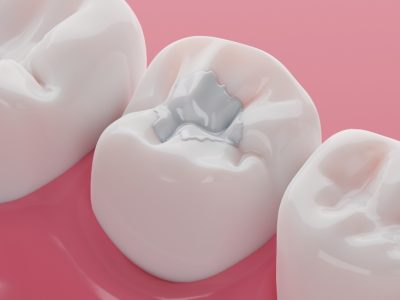
Sealants are a second key tool in preventive dental care to reduce cavities. A sealant is a thin, protective coating that your dentist paints onto the chewing surfaces of the back teeth. Those molars have natural pits and grooves that easily trap plaque. Once a sealant is placed, those grooves become smoother and easier to clean.
The process is quick and painless. The tooth is cleaned, dried, and a gentle solution is used to prepare the surface. Then the liquid sealant is brushed on and hardened with a curing light. There is no drilling and no numbing needed, which is especially helpful for kids or anyone who feels anxious about dental visits.
Sealants are best known for protecting children’s permanent molars soon after they come in. That is usually around ages 6 and 12. However, adults with deep grooves and no existing fillings on those teeth can benefit as well. The Centers for Disease Control and Prevention shares data showing that dental sealants can reduce cavities in molars by a large margin for many years.
You might worry that sealants are only for “perfect” patients who already do everything right. In reality, they are especially helpful for children who snack frequently, anyone who struggles with brushing, or families trying to avoid the cost and stress of fillings. Sealants buy you time and peace of mind.
Why does the toothpaste you choose matter so much?
The third tool is something you use every day. Toothpaste. It is easy to stand in the store and feel lost in the choices. Whitening, sensitivity, charcoal, flavor after flavor. What matters most for cavity prevention is that the toothpaste contains fluoride and carries a trusted seal of approval.
Fluoride toothpaste keeps a small, steady amount of fluoride in contact with your teeth twice a day. That daily exposure supports what your dentist does in the office. It helps your enamel repair small areas of damage, which lowers the chance that those areas will progress into actual cavities.
The American Dental Association explains what to look for in fluoride toothpastes, including why the ADA Seal on the box matters. Once you focus on that core feature, you can choose a flavor and texture you like. The best toothpaste is the one you will actually use consistently.
How do these cavity prevention tools compare in real life?
You might be wondering how these three tools fit together in everyday life and which ones you should prioritize. Here is a simple comparison to help you think it through with your general dentist.
| Tool | Where it is done | Main benefit | How long it helps | Best for |
|---|---|---|---|---|
| Professional fluoride treatment | In the dental office | Strengthens enamel and repairs early damage | Several months, often repeated every 3 to 12 months | Children, high cavity risk adults, dry mouth, braces |
| Dental sealants | In the dental office | Shields deep grooves on back teeth from decay | Often many years, with touch ups if needed | Kids’ new molars, teens, adults with deep grooves |
| Fluoride toothpaste | At home, twice daily | Ongoing cavity protection and enamel support | Only while used regularly | Everyone, from young children to older adults |
Seen together, these tools do not replace good habits. They support them. Fluoride treatments and sealants give you a stronger starting point. Daily fluoride toothpaste keeps that protection active. This is how a general dentist can move you toward cavity prevention in routine dental care instead of constant repair.
What can you do right now to lower your cavity risk?
You do not need to overhaul your life overnight. A few focused steps can start shifting things in your favor quickly.
1. Ask your dentist to review your personal cavity risk
At your next visit, be direct. Ask your dentist to walk you through why you are getting cavities. Is it deep grooves, dry mouth, diet, brushing technique, or something else. Once you know your main risk factors, you can decide together whether fluoride treatments, sealants, or both make sense for you or your child.
2. Commit to fluoride toothpaste twice a day, every day
Choose an ADA accepted fluoride toothpaste and use a soft toothbrush for two full minutes, morning and night. For children, use a smear of paste under age 3 and a pea sized amount from ages 3 to 6, unless your dentist advises otherwise. This one habit is the foundation of all other prevention. Even if your day is hectic, protect those two moments.
3. Protect the most vulnerable teeth with sealants or extra fluoride
If you or your child have new permanent molars, ask specifically about sealants. If you are someone who always seems to have a new cavity, talk about more frequent professional fluoride treatments or a prescription strength fluoride toothpaste. Small preventive steps now often cost far less, in money and stress, than fillings, crowns, or root canals later.
Moving from constant repair to confident prevention
Living with repeated cavities can be discouraging. It can make you feel as if no matter what you do, you will end up back in the chair for another filling. You deserve a different experience. With fluoride treatments, dental sealants, and the right toothpaste, your general dentist has real tools to help you break that pattern.
You do not have to be perfect to protect your teeth. You only need a clear plan, a few consistent habits, and support from a dental team that takes prevention seriously. The next step is simple. At your upcoming appointment, start a conversation about these three key preventive tools and how they can be tailored to your mouth and your goals.








Comments